The Current State of DDR5 in 2026
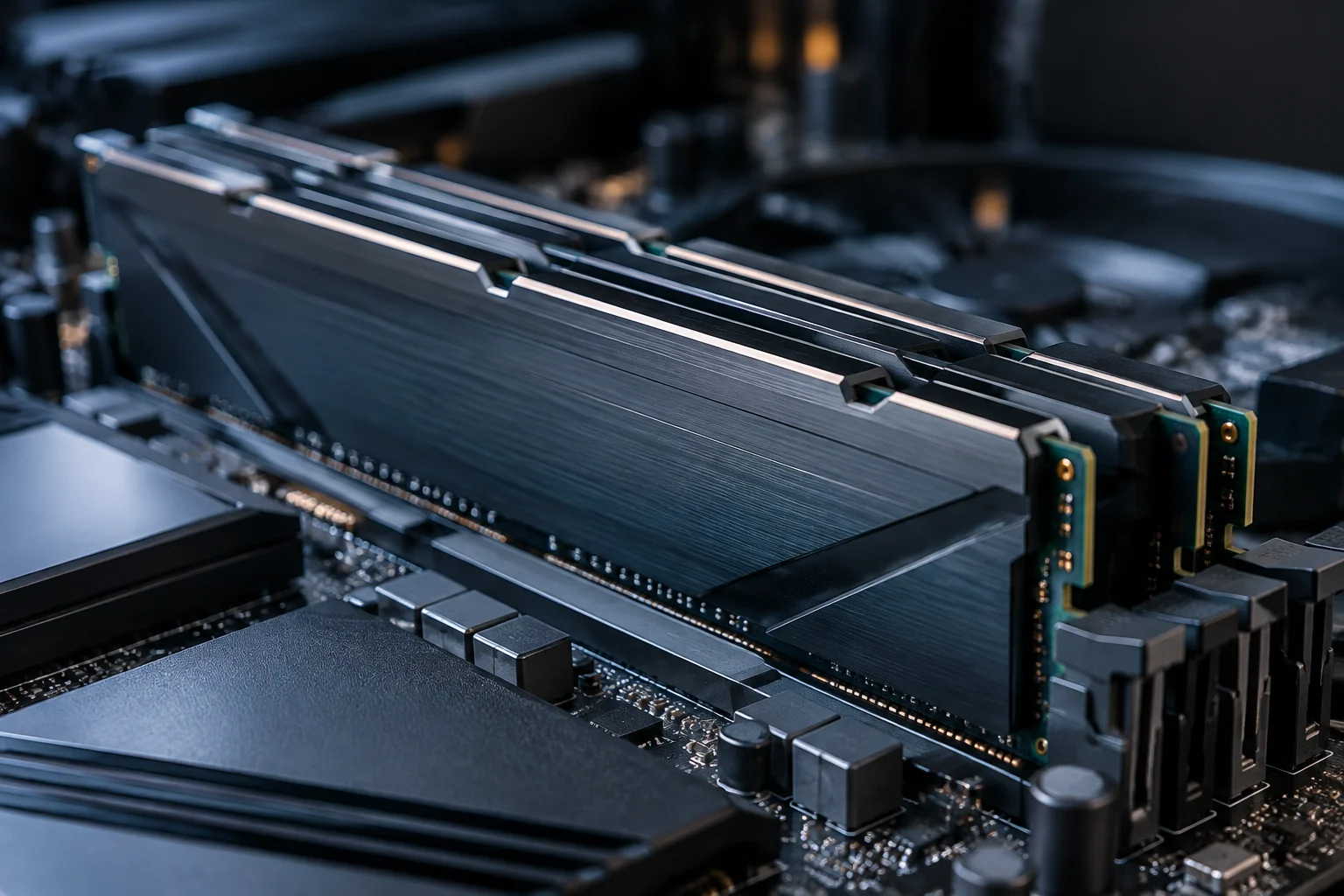
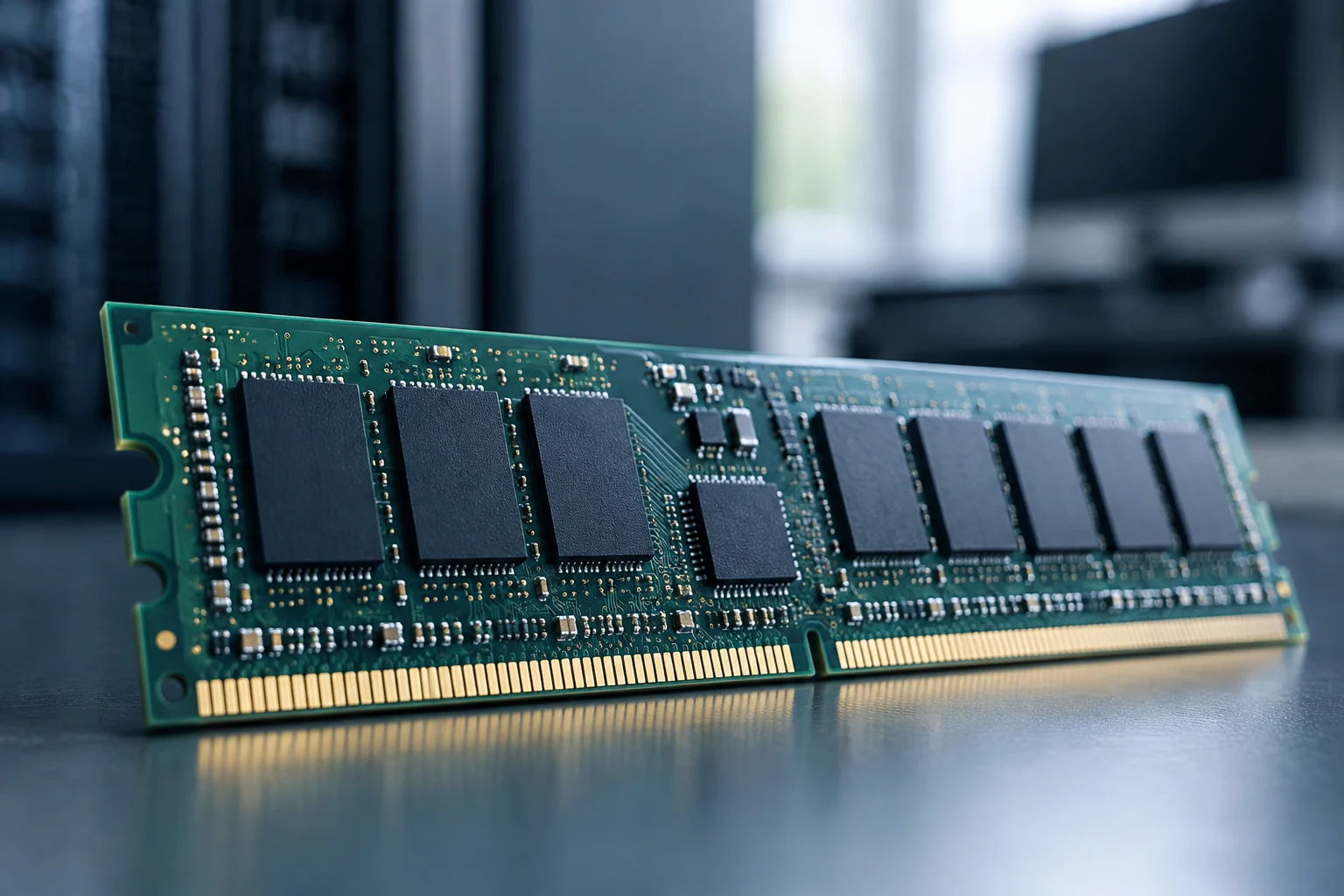
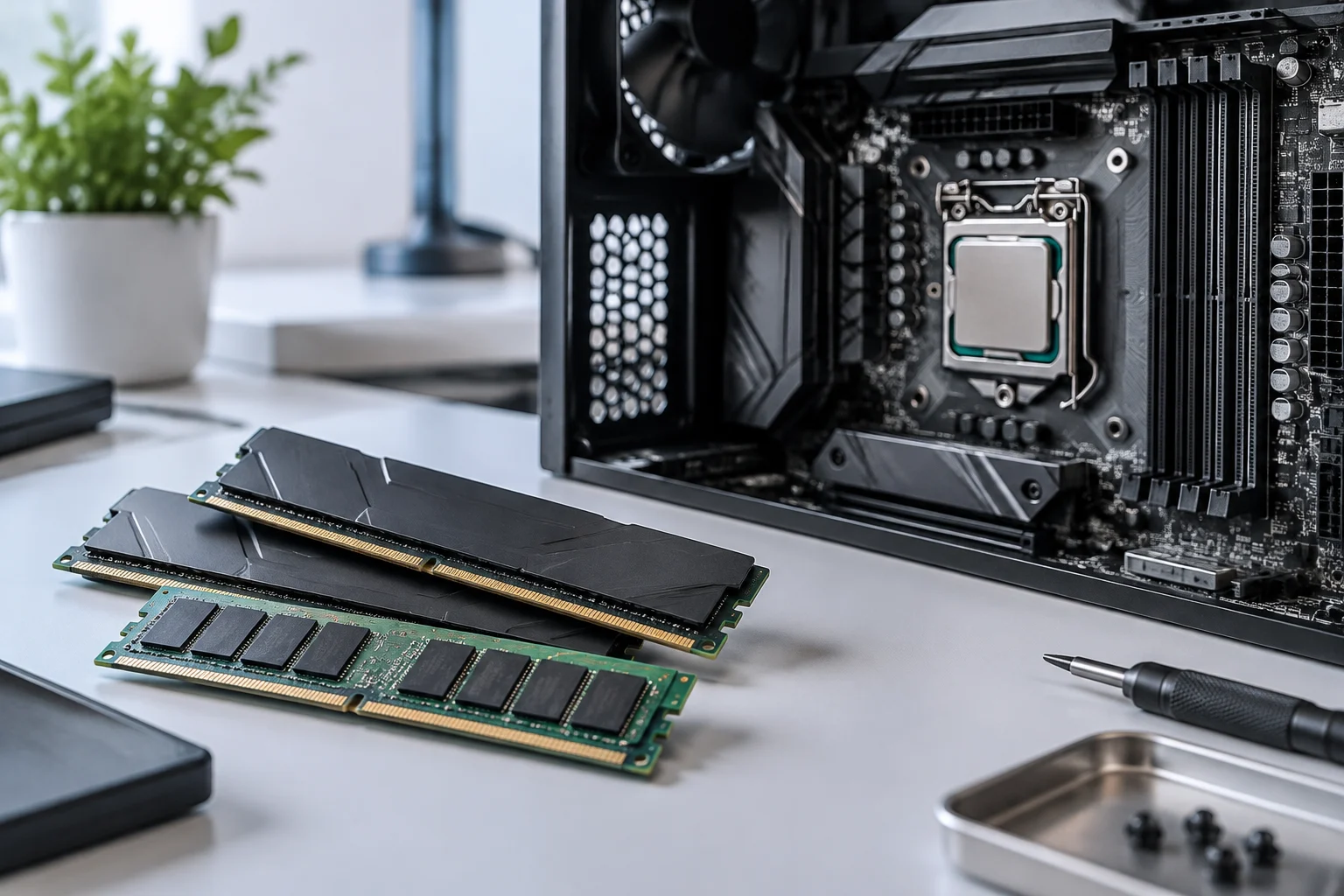
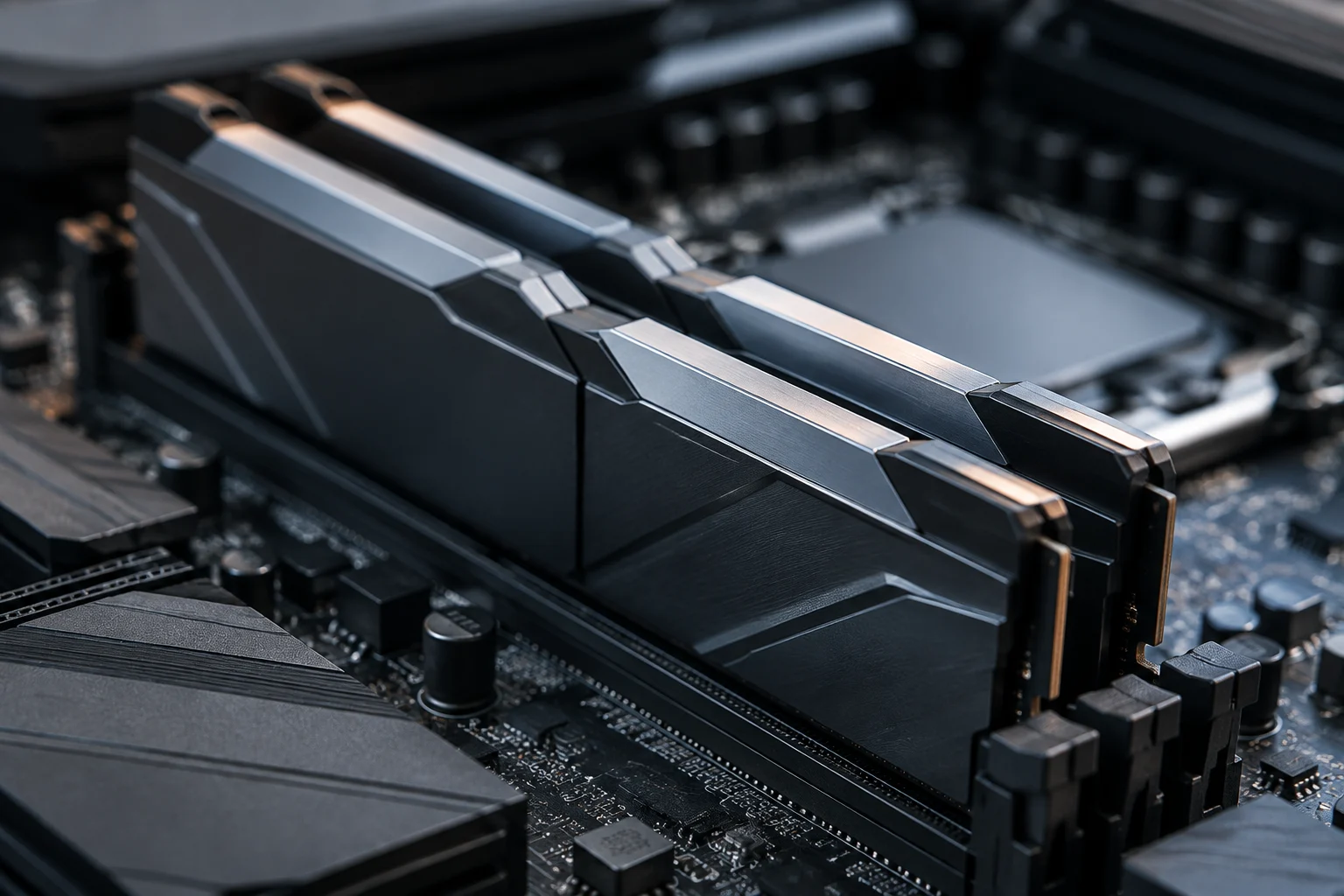
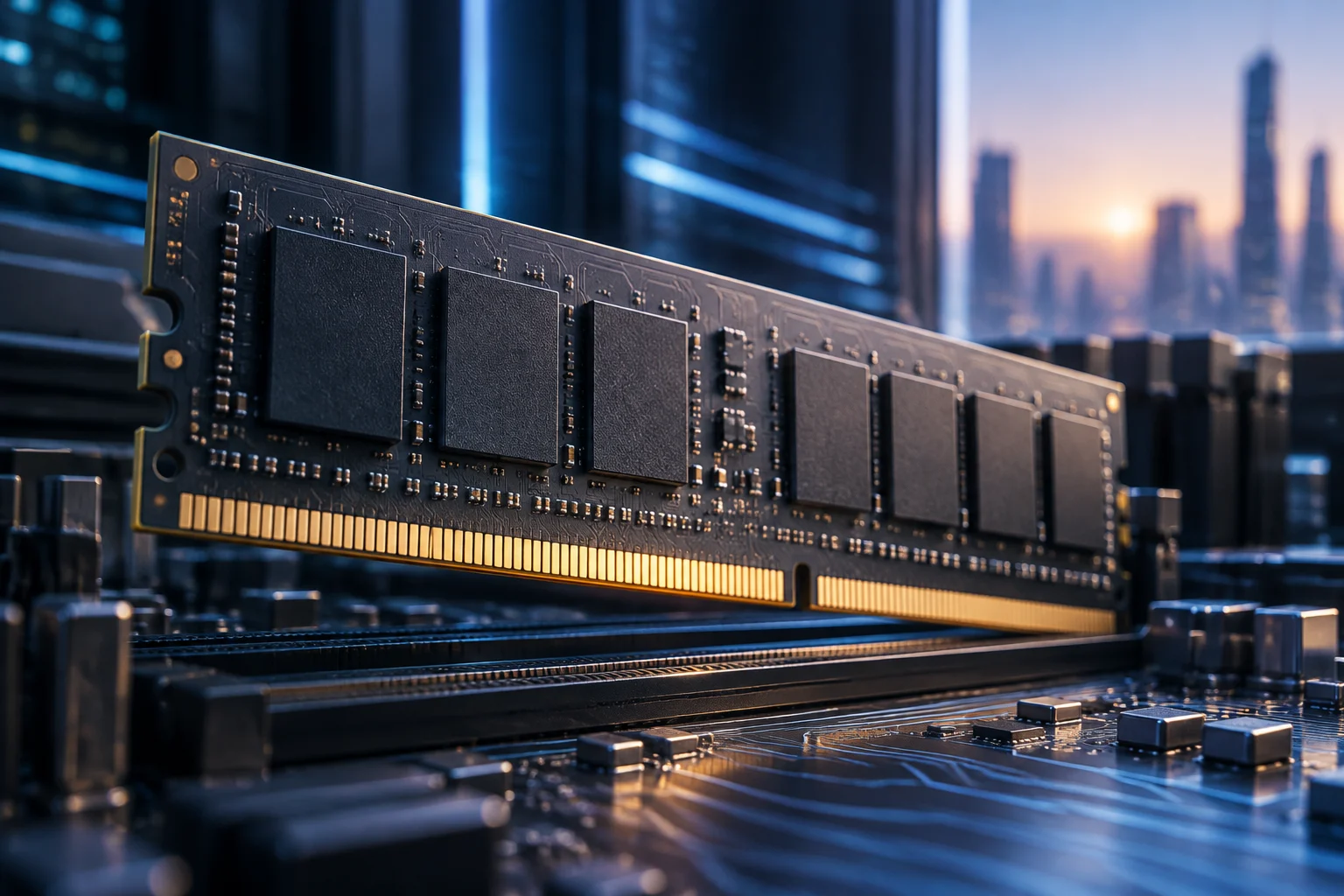
DDR5 memory has established itself as the dominant standard in the personal computer and server market in 2026. Following its initial launch in 2020, this generation has matured to offer a wide range of speeds and capacities that far exceed its predecessor, DDR4. Manufacturers have managed to stabilize production and reduce manufacturing costs, allowing DDR5 to become the default option in most new Intel and AMD processor platforms. This transition reflects an industrial maturity that has narrowed the performance-per-dollar gap compared to previous generations, facilitating mass adoption in mid-range and high-end equipment.
In the high-performance segment, memory kits have reached extreme speeds. For instance, G.Skill presented a DDR5-9200 kit of 32 GB (2×16 GB) at Computex 2026, operating at 1.1 V, the standard JEDEC voltage, validated on latest-generation Intel platforms. This achievement demonstrates that extreme frequencies can be achieved without increasing supply voltage, reducing power consumption and thermal dissipation, critical factors for long-term stability. The ability to maintain signal integrity at these speeds without voltage overclocking marks a milestone in the efficiency of modern memory controllers.
Latency Optimization and EXPO Profiles
Latency is a crucial factor in memory performance, especially in sensitive applications like video games. AMD introduced AMD EXPO Ultra Low Latency technology at Computex 2026, a new iteration of its optimized memory profiles for Ryzen processors. This technology promises improvements of up to 13% in frames per second (FPS) compared to standard JEDEC speeds, and an additional 4% over traditional EXPO profiles. Implementing these profiles allows users to extract maximum performance from their components without complex manual adjustments, simplifying the configuration of high-performance systems.
Latency optimization focuses not only on frequency but also on access times. CAS latency (CL) is a key parameter that, combined with frequency, determines the actual latency in nanoseconds. For example, a DDR5-6000 kit with CL30 offers an actual latency of approximately 10.0 ns, similar to a DDR4-3200 kit with CL16. This means that although CL numbers are higher in DDR5, the higher frequency compensates for this increase, resulting in comparable or superior performance in practice. Understanding this relationship is vital for choosing the right memory, as a higher frequency with slightly higher CAS latency can offer a faster response than a lower frequency with lower CAS latency.
DDR6: The Next Generation on the Horizon
DDR6 SDRAM is the planned successor to DDR5, with a launch expected for the 2026-2027 period. According to preliminary JEDEC specifications, DDR6 will offer transfer speeds of 8,800 to 17,600 MT/s, with a maximum bandwidth of up to 154 GB/s. This generation will introduce four 24-bit wide memory channels, compared to the two 32-bit channels of DDR5, allowing for greater efficiency in memory management. This architectural change aims to improve data parallelization and reduce the load on the memory controller, facilitating the handling of large volumes of information in server systems and workstations.
In addition to speed improvements, DDR6 will incorporate advanced energy efficiency features, such as the CAMM2 format for laptops and compact devices, and Decision Feedback Equalization (DFE) to improve signal integrity at high speeds. DDR6 is also expected to optionally support 3D DRAM technology, which could revolutionize memory density and performance in artificial intelligence and high-performance computing applications. The adoption of CAMM2, in particular, promises greater memory density in reduced spaces, a determining factor for the design of ultrathin laptops and edge devices.
Market Impact and Price Scarcity
The RAM memory market has experienced a notable scarcity since autumn 2025, causing a significant increase in DDR5 module prices. According to DropReference analysis, DDR5 RAM prices have tripled in several European markets and in the United States. This scarcity is due to a combination of factors, including high demand from artificial intelligence data centers and the restructuring of chip manufacturers' supply chains. Pressure from AI infrastructure has prioritized the production of high-capacity and low-latency modules, leaving desktop PC consumers with limited supply and inflated prices.
The scarcity has particularly affected 32 GB (2×16 GB) kits, which are the standard for most mid-range and high-end PC users. Prices for these kits have risen sharply, leading many users to consider DDR4 as a more economical alternative, despite its lower performance. However, DDR4 remains a viable option for users who do not require the highest speeds and seek an optimal quality-price ratio. This market dynamic has created a split in purchase recommendations, where the urgency of upgrading must be weighed against the availability and current cost of the latest technology.
Practical Recommendations for Users
For most users, DDR5-6000 with CL30 remains the optimal point in terms of performance, stability, and price. This configuration offers an excellent balance for gaming, content creation, and general use, especially on AMD AM5 systems. If the budget allows, higher frequency kits, such as DDR5-7200 or DDR5-8000, can offer additional improvements in latency-sensitive applications, but the difference in real performance may not justify the extra cost. Choosing this intermediate configuration allows leveraging the advantages of the DDR5 architecture without incurring the overheads associated with niche frequencies, ensuring a smooth and stable user experience.
Regarding DDR6, although specifications promise significant improvements, its commercial availability is still limited. Users seeking the latest technology may consider waiting for the official DDR6 launch, expected in 2027, to benefit from improvements in efficiency and speed. However, for most users, current DDR5 offers more than sufficient performance for current and short-term future needs. Investing in DDR5 today remains a safe bet, given that the supporting platform will continue to be relevant for several years, offering a prolonged lifespan for equipment built with this technology.