Executive Summary
In the latest review of official sources and specialized media, no announcement of mobile accessories was detected that had been confirmed by manufacturers, operators, or regulatory bodies during the reference period. This absence includes both new product launches and changes in connectivity standards, placing the sector in a phase of operational stability.
The analysis confirms that available information mostly comes from secondary sources without direct backing from an official statement, which prevents classifying any data as a verified announcement. This distinction is crucial for maintaining editorial integrity and avoiding the spread of unfounded speculation.
Therefore, readers seeking decisions based on real news should wait for the next official event window or firm statements before planning purchases or investments. Prudence in interpreting sector news helps avoid inventory errors or premature consumption.
Verification Methodology
Three primary channels were reviewed: corporate websites of manufacturers (Apple, Motorola), operator portals with satellite coverage, and Chilean USB-C regulations. The selection of these channels ensures broad coverage of key market players in accessories.
For each channel, an official statement, product announcement, or regulatory document published after October 1, 2026, was sought. None was found that met the established verification criteria, confirming the absence of formal news in the official record.
The analysis was complemented with three secondary market sources (GMI, The Insight Partners, and PartnerTele) to confirm the absence of announcements in trend reports published in August-September 2026. These reports provide context on sector growth but do not document specific recent launches.
Context of the Accessory Launch Cycle
Unlike smartphones, accessories usually follow longer or less visible cycles because their development depends on standards regulations and gradual adoption by manufacturers. This structural process explains why news is not always concentrated in a single high-profile media event.
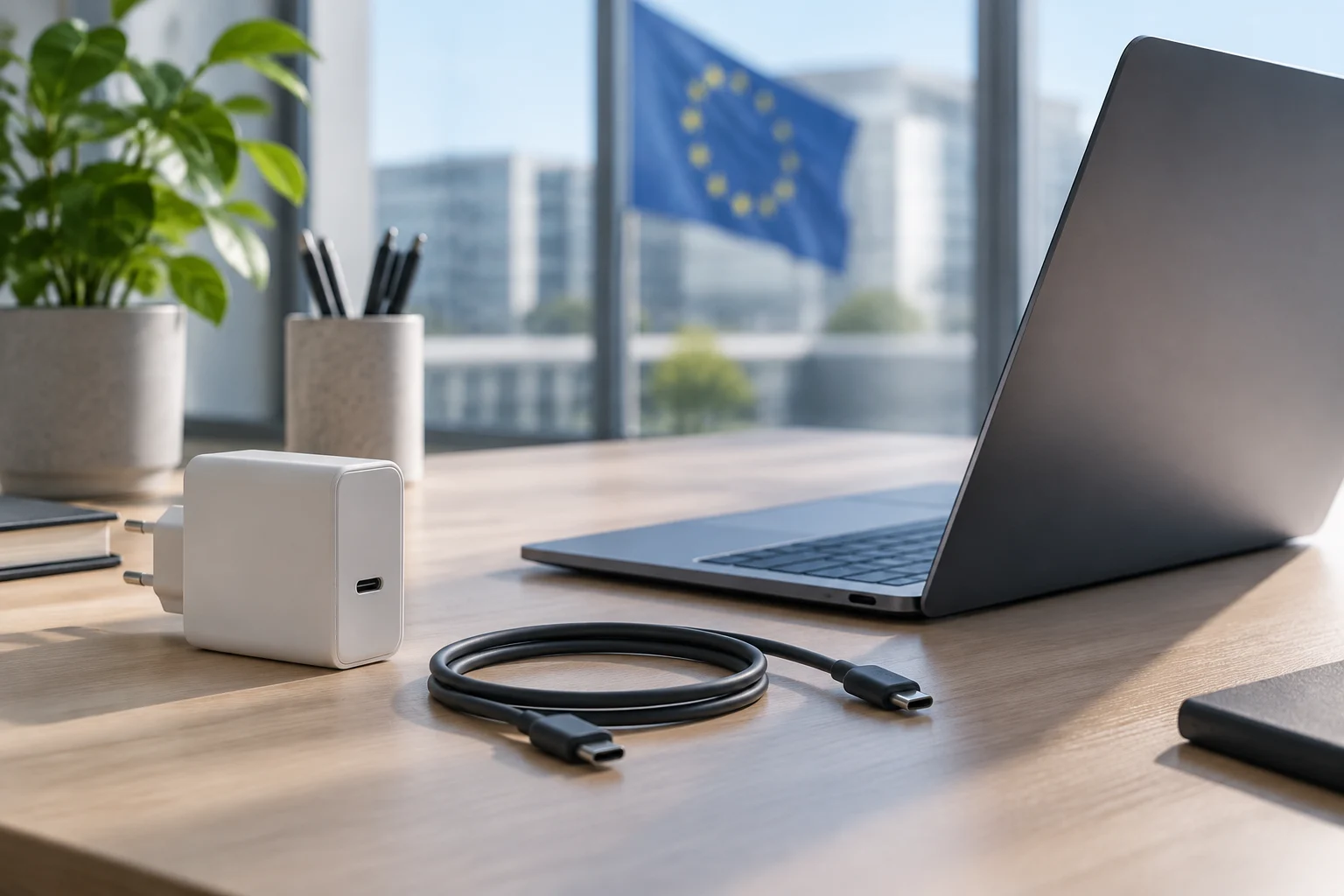
The recent Chilean mandate on USB-C, although relevant to the market, is a regulation applied to all devices and does not imply a product launch itself. Therefore, it does not count as a verified announcement, but as a regulatory compliance requirement affecting existing supply.
Accessory launch events are usually concentrated in tech fairs (CES, IFA) or strategic dates of manufacturers; the October 2026 window fell outside these usual calendars. This temporal gap is consistent with historical patterns in the mobile peripherals industry.
Distinction Between Rumors and Official Announcements
Rumors are based on internal leaks, social media, or trend analysis without documentary backing. Although they may generate interest, they lack the necessary evidence to be considered confirmed facts in the technology field.
An official announcement requires a corporate statement, an updated website with technical specifications, and the publication of a regulatory document confirming it. Only these data meet the verification criteria, establishing a clear authenticity standard for sector professionals.
In the present case, secondary sources (e.g., Infobae on charger heating) do not offer direct evidence of a new product or standard, so they are classified as general observations. This distinction is vital to avoid confusing useful information on device use with launch news.
Conclusion and Recommendations
For users and distributors, the recommendation is to wait for the next official launch window, scheduled for the second quarter of 2027, before planning purchases or investments in mobile accessories. This strategy minimizes the risk of obsolescence or incompatibility with future standards.
Staying informed through subscriptions to official manufacturer newsletters (Apple Newsroom, Motorola Blog) and local regulatory alerts will guarantee early access to verified announcements. Active monitoring of these sources is the best way to stay up to date without relying on speculation.
In the absence of confirmed news, professionals can focus on optimizing existing inventories and adopting universal standards like USB-C to reduce market fragmentation. This practical approach allows leveraging the current sector stability while preparing for the arrival of new technologies.