Official announcement and launch date
Snap Inc. officially presented SPECS on June 16, 2026, during the Augmented World Expo, confirming it as their first augmented reality glasses for the consumer market. The company opened pre-orders the same day with a $200 refundable deposit on a total price of $2,195. According to the official statement, the device is designed for hours of wear, integrating AI assistance, work tools, and entertainment without requiring the user to look at a traditional screen.
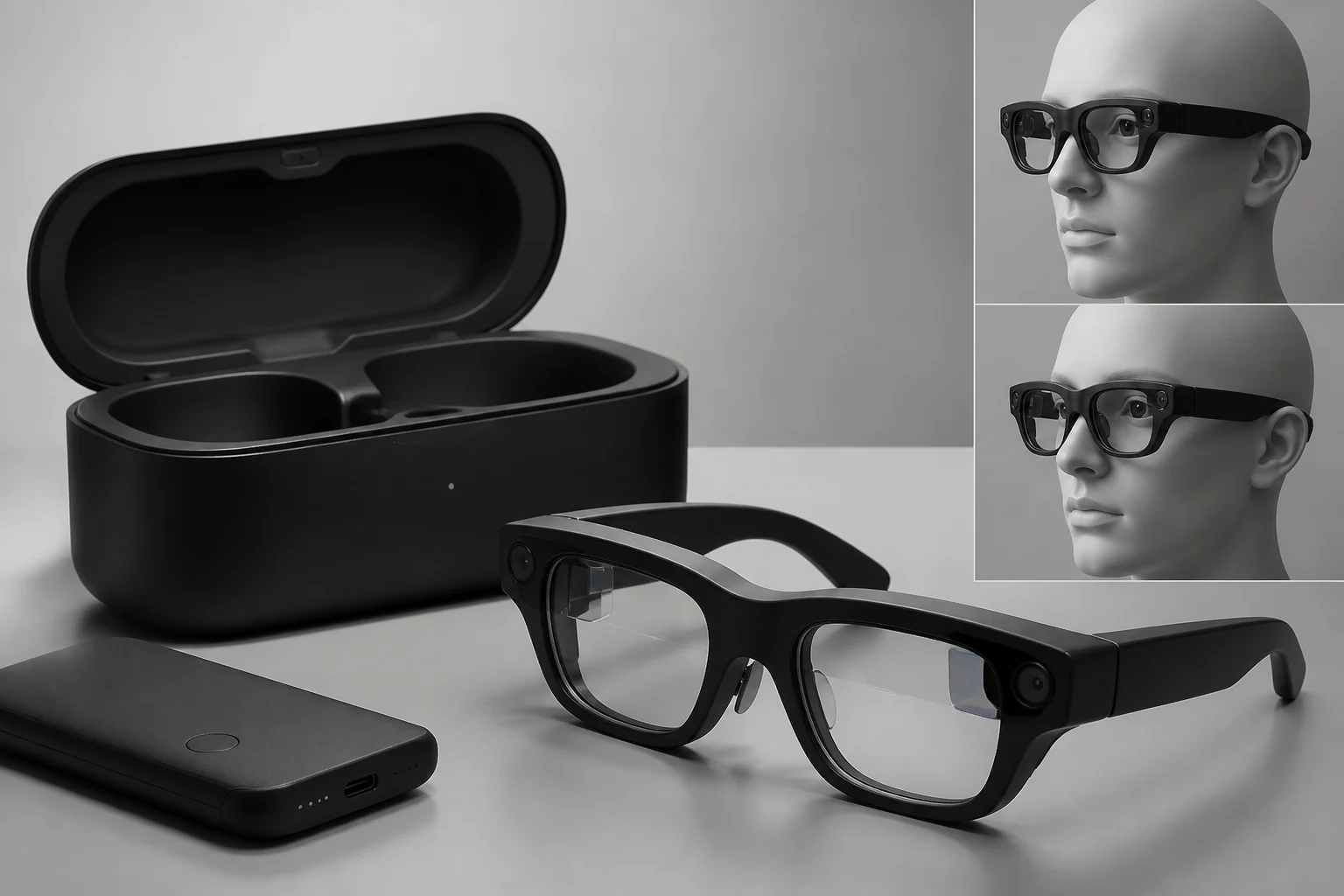
Shipping is scheduled for later this fall in 2026, initially in the United States, the United Kingdom, and France. At a subsequent event on September 16 in Los Angeles, Snap showcased new applications, a cellular-connected charging case, and an integrated AI service, though an exact dispatch date has not been set. This staggered launch strategy allows the company to adjust production and user experience before a broader global expansion.
Technical specifications and design
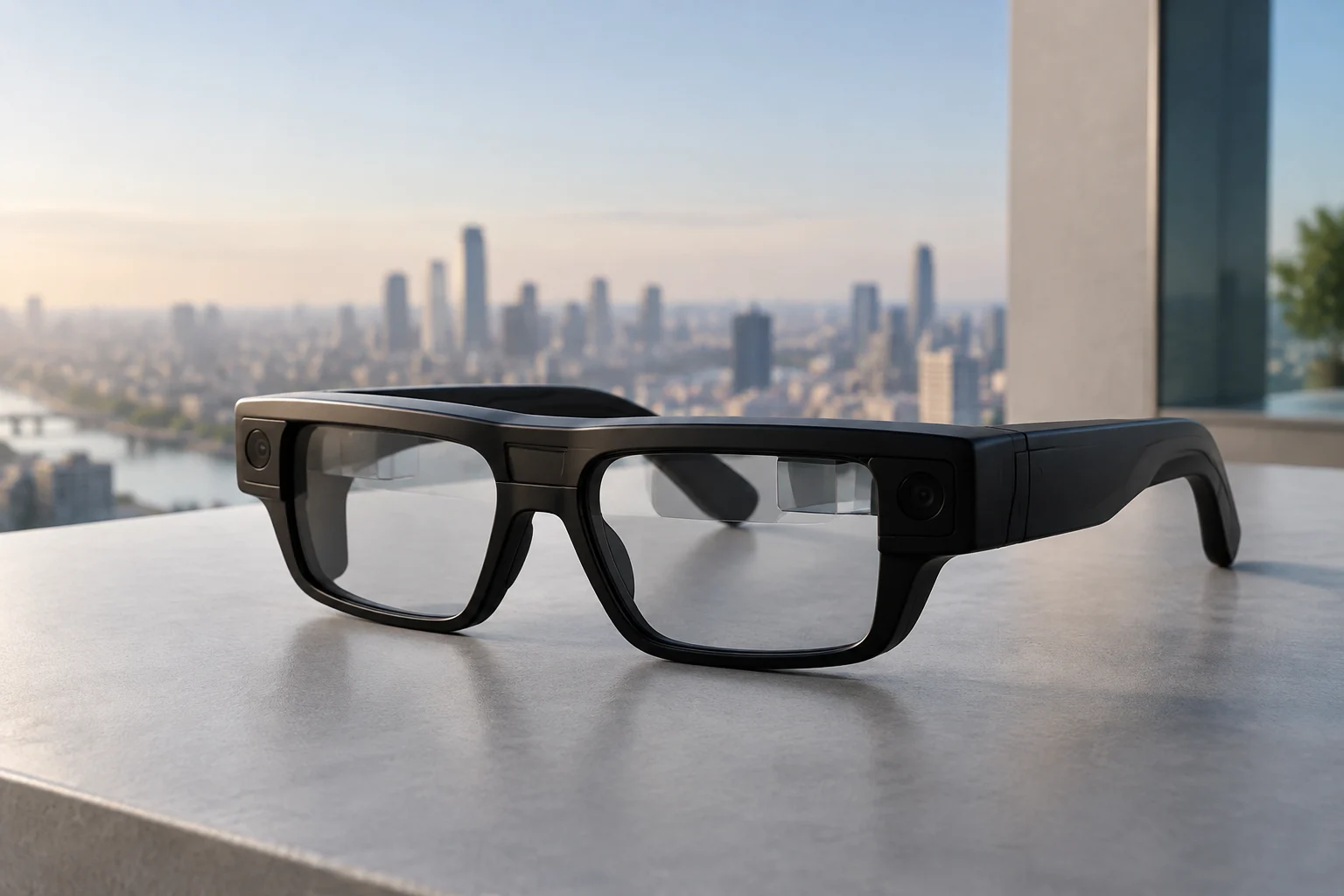
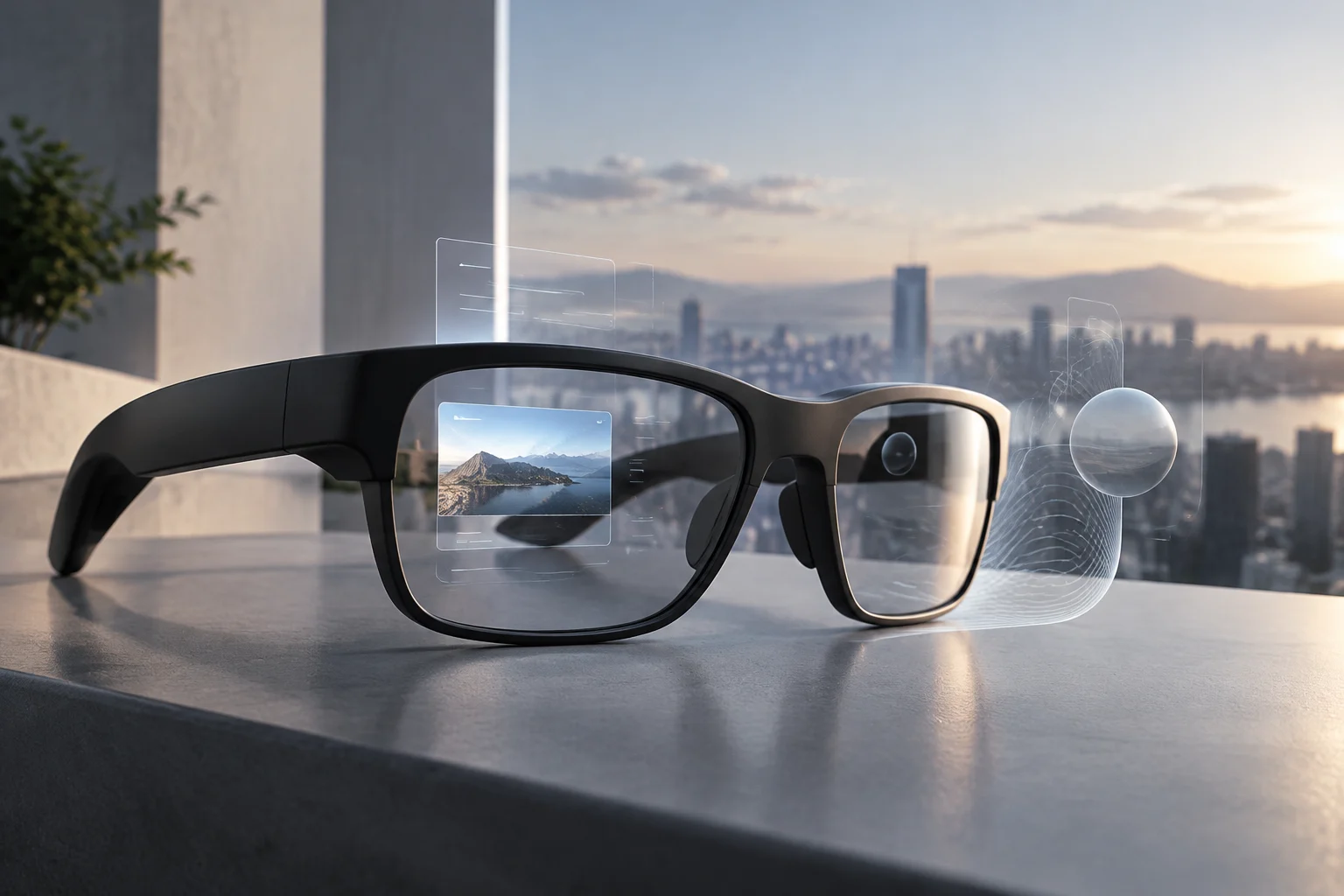
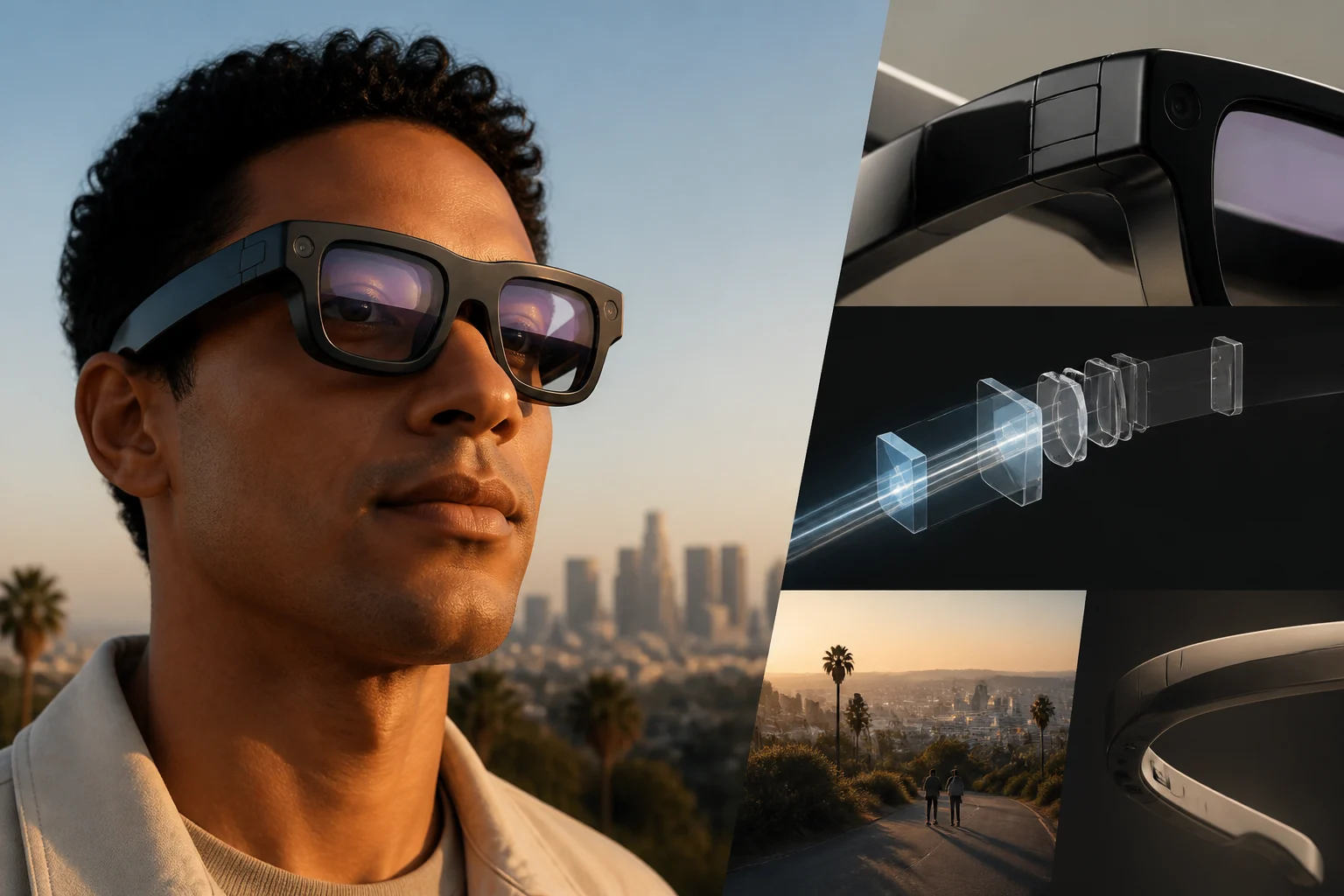
SPECS stands out for its focus on true augmented reality, unlike smart glasses that only record video or show basic notifications. The device incorporates transparent displays in both lenses using waveguide technology with billions of nanostructures, enabling a 51-degree diagonal field of view. This configuration is equivalent to a 115-inch cinema screen located about three meters away, offering visual immersion without blocking the view of the surroundings.
The device weighs 132 grams in the 47 mm size and 136 grams in the 52 mm size, made from Swiss TR90 polymer to ensure durability and lightness. Battery life is approximately four hours of mixed use, a significant limitation the company has acknowledged as an area for future improvement. The operating system, SPECS OS, is controlled via hand tracking and voice input, eliminating the need for traditional physical controls and allowing more natural interaction with 3D content overlaid on the real world.
Differences from previous generation and competition
Unlike previous generations of Spectacles, which focused mainly on video recording for Snapchat, SPECS represents a radical shift toward wearable personal computing. Previous versions, launched between 2016 and 2024, lacked integrated AR displays and relied on smartphone connectivity for most functions. SPECS, in contrast, integrates all processing in the frame, eliminating the need for a pocket puck or external device for the main experience.
Compared to competitors like Ray-Ban Meta or upcoming Samsung Android XR glasses, SPECS offers a more complete AR experience by mapping the room and tracking the user's hands to place 3D content in space. However, its $2,195 price places it in a niche category, far above traditional smart glasses that range from $300 to $400. This price difference reflects the technical complexity of waveguide optics and integrated AI processing, but also raises doubts about its short-term mass adoption.
Market reaction and financial analysis
The launch of SPECS had an immediate impact on Snap Inc. stock, which fell 17% in the two trading sessions following the announcement, reaching a three-month low. Analysts, such as B. Riley, praised the hardware's technical capabilities and considered the launch a positive medium-term development to complement Snap's social platform. However, many investors and consumers pointed out that the device is prohibitively expensive and potentially bulky, limiting its appeal to the average user.
Despite the initial drop, sentiment on platforms like Stocktwits remained 'extremely bullish,' reflecting followers' confidence in the company's long-term vision. Analysts highlighted the patent value of the developed technology, suggesting SPECS could lay the groundwork for future cost reductions and broader interactions. Long-term success will depend on whether Snap can reduce the price and improve battery life in future generations, enabling more widespread adoption.
Availability, pricing, and practical considerations
SPECS pre-orders are open with a $200 refundable deposit that secures a place in the shipping queue. The total price of $2,195 includes the device, charging case, and access to initial applications. Initial availability is limited to the US, UK, and France, with expansion to other markets depending on product reception and production capacity. Interested users must complete a virtual try-on on a compatible iOS device to confirm fit before finalizing the reservation.
For consumers, deciding to reserve SPECS means accepting a four-hour battery limit and a high price that positions it as a luxury tech product. The company has emphasized that the device is designed for prolonged daily use, but battery life remains a weak point compared to wearable user expectations. The availability of accessories, such as custom prescription lenses or additional cases, will be announced in the coming weeks, which could influence the purchase decision of users with specific needs.