The 'RAMageddon': A Structural, Not Cyclical, Crisis
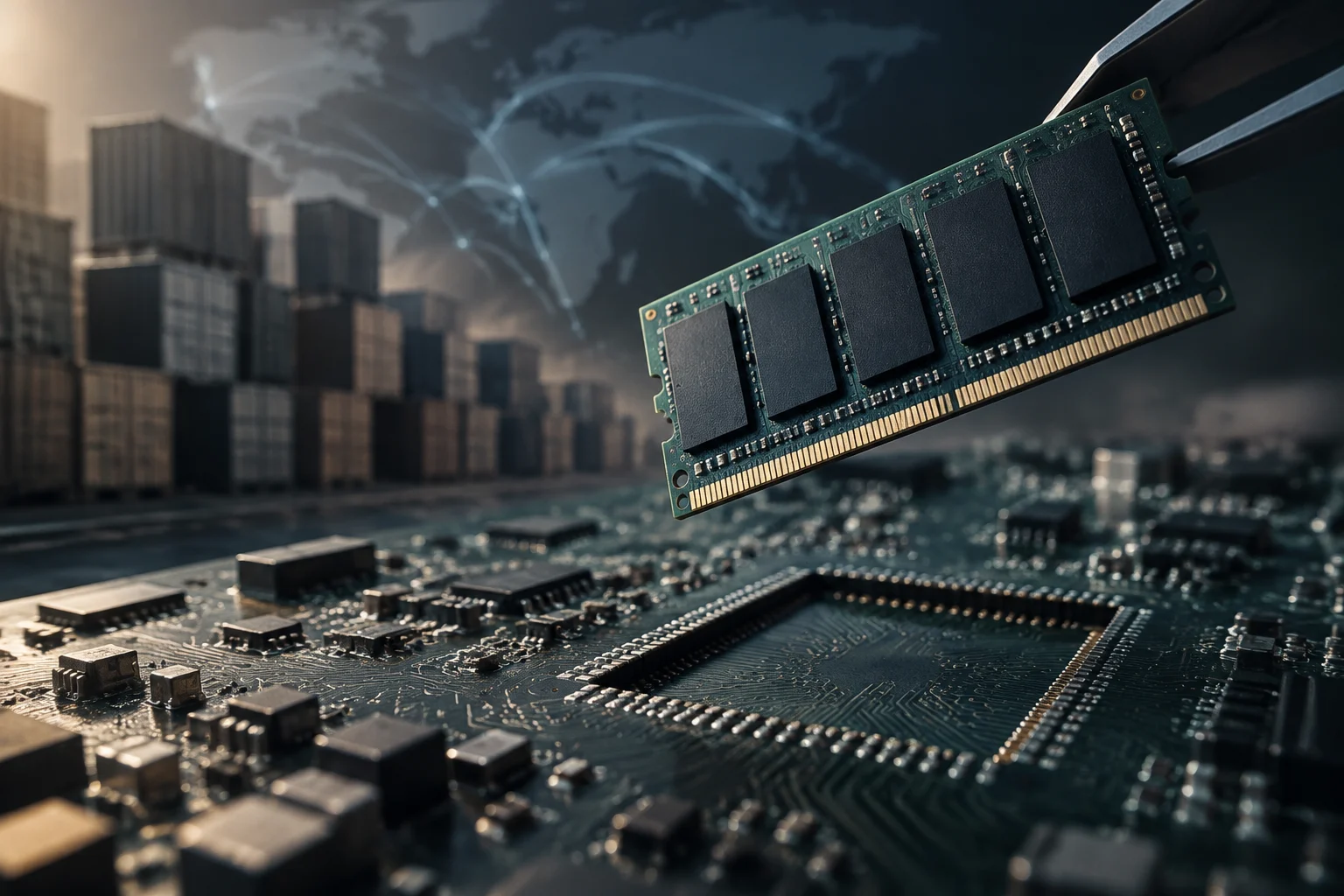
The technology industry faces in 2026 one of its greatest supply tensions in decades. The cause is not a seasonal fluctuation, but a structural imbalance between DRAM memory supply and the demand generated by artificial intelligence data centers. The three main global manufacturers—Samsung, SK Hynix, and Micron—concentrate over 90% of production and have prioritized the manufacturing of high-bandwidth memory (HBM) and high-capacity DDR5 modules, destined for AI accelerators, due to significantly higher profit margins.
This strategic pivot has drastically reduced the supply available for consumer hardware, such as smartphones and personal computers. The result is an acute shortage that has driven memory prices up by 90% compared to the end of 2024. This is not a simple cost increase, but a bottleneck that redefines the digital economy and threatens to cause launch delays, massive device price hikes, and even the disappearance of smaller manufacturers that cannot absorb component inflation.
Market Impact: Historic Drop in Shipments
The consequences of this shortage are already visible in sector figures. Analysts at International Data Corporation (IDC) anticipate that global smartphone sales will fall by 12.9% in 2026, marking an unprecedented retreat since the pandemic. It is estimated that only 1.12 billion units will be shipped, compared to 1.26 billion in 2025, a drop of 160 million devices that marks the first significant decline in shipments since 2023.
IDC describes this situation as a structural reset of the market, with lasting effects on the total size of the sector and the profile of manufacturers. The crisis will especially affect entry-level and mid-range models, which rely on high volumes and tight margins to be profitable. Manufacturers may be forced to maintain or reduce specifications to avoid further increasing device costs, raising the possibility of a technological regression in certain segments, where innovation is sacrificed to preserve affordability.
The Cost Equation: Mid-Range vs. High-End
In a context of technological inflation, the purchase decision becomes more complex. The mid-range, traditionally the refuge of quality-price ratio, is pressured by the rising cost of components. However, brands like Samsung are responding with democratization strategies: the Galaxy A37 5G, launched in Mexico for 9,999 MXN, offers generative AI tools and 6 years of updates, a standard previously exclusive to flagship devices. This suggests that the boundary between mid-range and high-end is blurring, but at an initial cost that remains lower than premium devices.
On the other hand, the high-end justifies its price not only by hardware, but by software durability and sustained user experience. In 2026, the difference from a good mid-range may lie more in specific features, such as advanced cameras or sustained performance, than in basic tasks. A high-end mobile compensates when a specific capability adds value over several years, while a mid-range can cover the needs of most users without exceeding the budget, provided that limitations in premium features are accepted.
Software Support: The True Shock Absorber
The key factor to amortize the higher initial cost of a premium device is software support. A mobile without updates is like a house without a lock: applications become incompatible, performance degrades, and security is compromised. Apple leads in this aspect, with iPhones receiving updates for 7-8 years or more. Samsung, for its part, has extended its policy to 6 years in the mid-range, matching competitors in a segment where only 3-4 years were previously offered.
In the case of brands like Xiaomi, support is usually shorter, which can make a device obsolete in two years, despite having an attractive initial price. When evaluating long-term profitability, it is fundamental to consider not only the purchase price, but also the effective lifespan of the device. A mobile that receives updates for 6 years offers a significantly lower annual usage cost than one that stops receiving support in 3 years, even if the former cost more initially.
Right to Repair and Resale Value
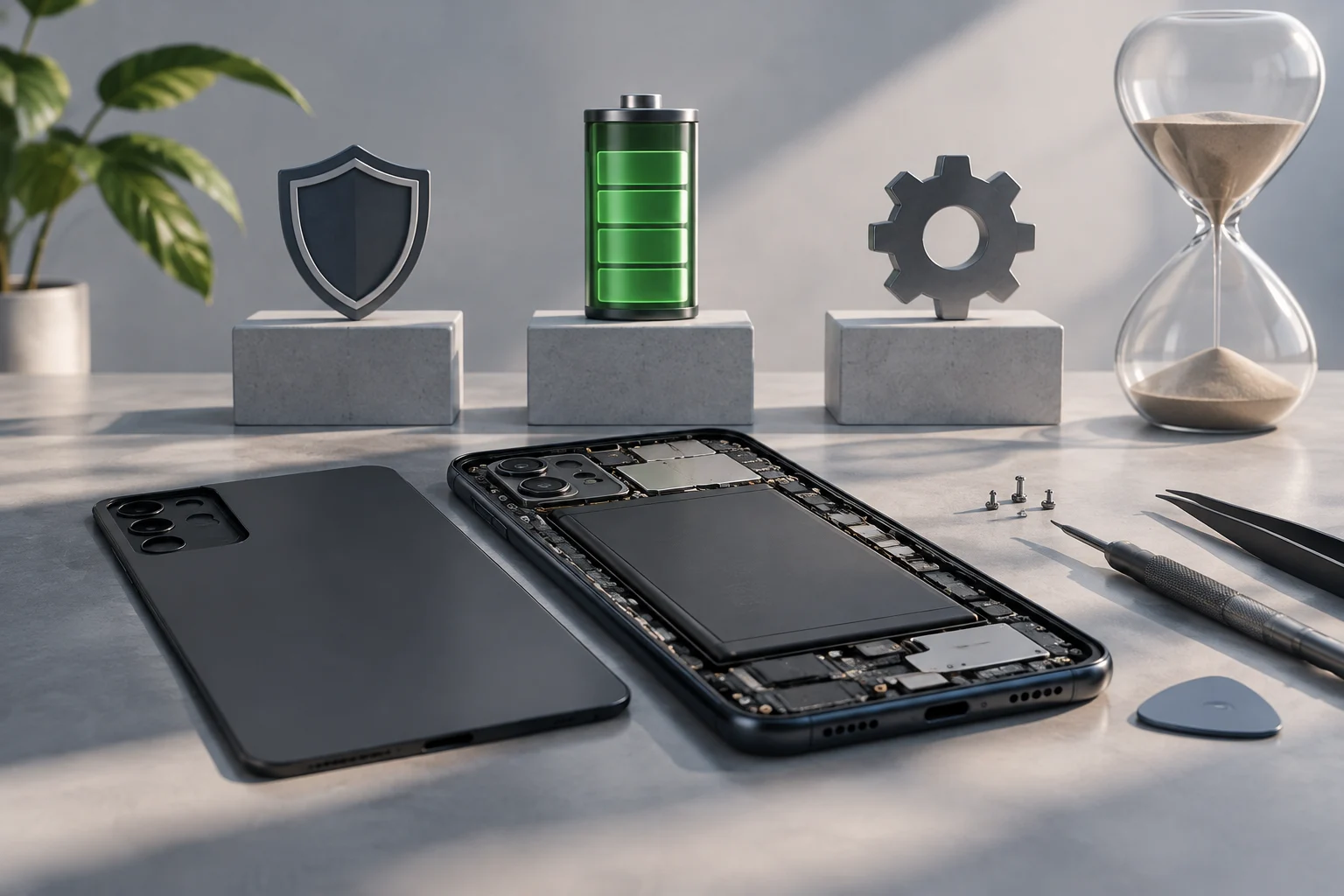
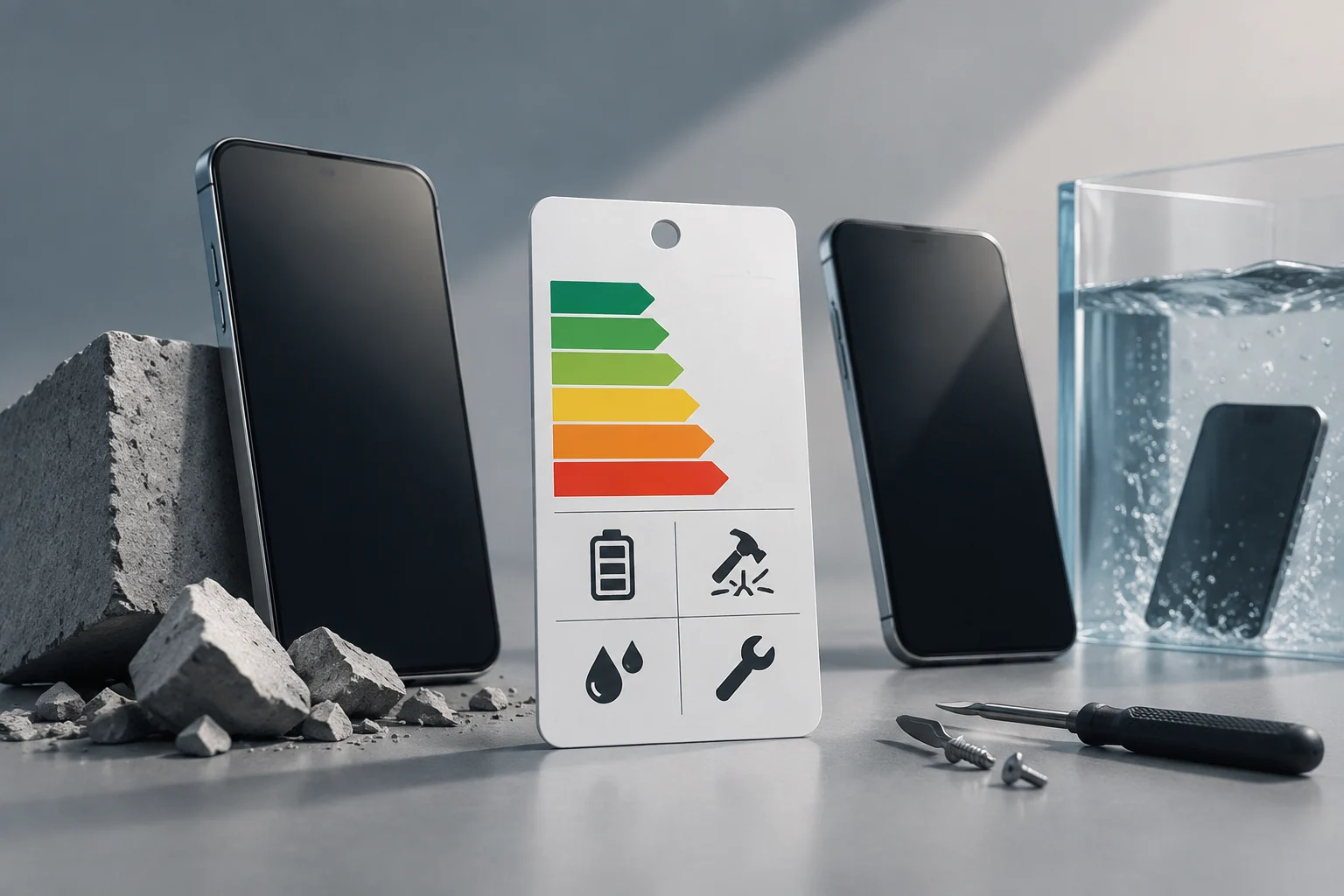
The European Union has introduced new requirements regarding repairability, spare parts availability, and battery life for smartphones marketed from June 2025. The new European Directive on the right to repair, whose transposition deadline ended on July 31, 2026, reinforces these obligations. This means users can demand device repair and access spare parts for a determined period, extending mobile lifespan and reducing the impact of battery degradation.
This regulatory framework also influences resale value at 3 and 5 years. Devices that meet repairability standards and have received updates throughout their lifecycle maintain a higher residual value. Durability perception and brand remain determining factors, but the ability to repair the device and long-term support guarantees have become verifiable criteria that buyers must consider when evaluating the recovery of invested capital.
Practical Criteria for Purchase Decisions
Faced with price uncertainty, the purchase decision must be based on verifiable criteria and not speculation. First, define what problem the device will solve: if you seek messaging, maps, and occasional photography, a mid-range can cover it. If you need stable video, advanced zoom, or professional editing, the high-end may justify the extra cost. Second, evaluate software support: a device receiving updates for 6 years offers better long-term value than one stopping support in 3 years, regardless of initial price.
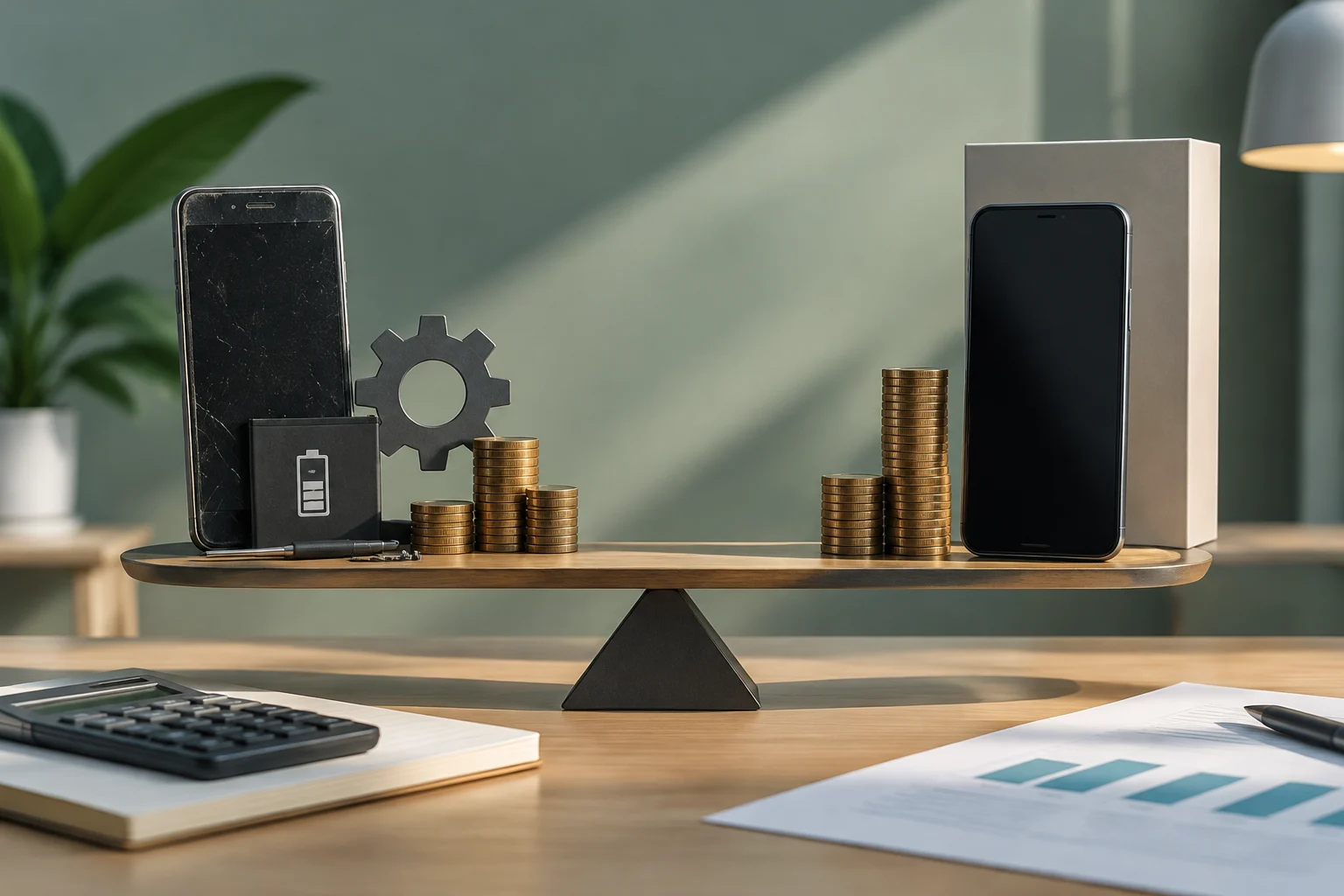
Third, consider repairability and spare parts availability, especially if you plan to keep the device for more than 3 years. In the EU, new legal requirements guarantee access to repairs, reducing the risk of premature obsolescence. Fourth, compare total cost of ownership: not only the purchase price, but also the cost of battery, screen, and other repairs over the lifespan. In an inflationary market, investing in a device with greater longevity and extended support may be the most rational option, even if the initial price is higher.