Introduction to the RTX Spark Platform
RTX Spark is not a specific laptop model, but rather an NVIDIA platform for a new class of Windows devices. It integrates CPU, GPU, and unified memory into a system on chip (SoC), aiming to address local AI workloads, graphic creation, and gaming in portable designs. The official announcement was published on May 31, 2026; therefore, the novelty of these dates is not its presentation, but that NVIDIA indicated on October 16 that the devices were already available.
The proposal combines two goals that often compete in a laptop: providing access to high computing power while maintaining a thin format. NVIDIA and Microsoft describe the system as ready to run AI agents and applications on the device, but these expressions are provider objectives, not a guarantee that any model or workflow will function without adjustments.
For the buyer, the practical distinction is important: the name RTX Spark identifies a shared platform, not an identical product sheet across all manufacturers. Memory configuration, thermal design, battery, screen, storage, and price belong to each specific device. It is advisable to compare specific laptops, rather than inferring characteristics from one brand or the entire range based on the common promise.
SoC Architecture and Design
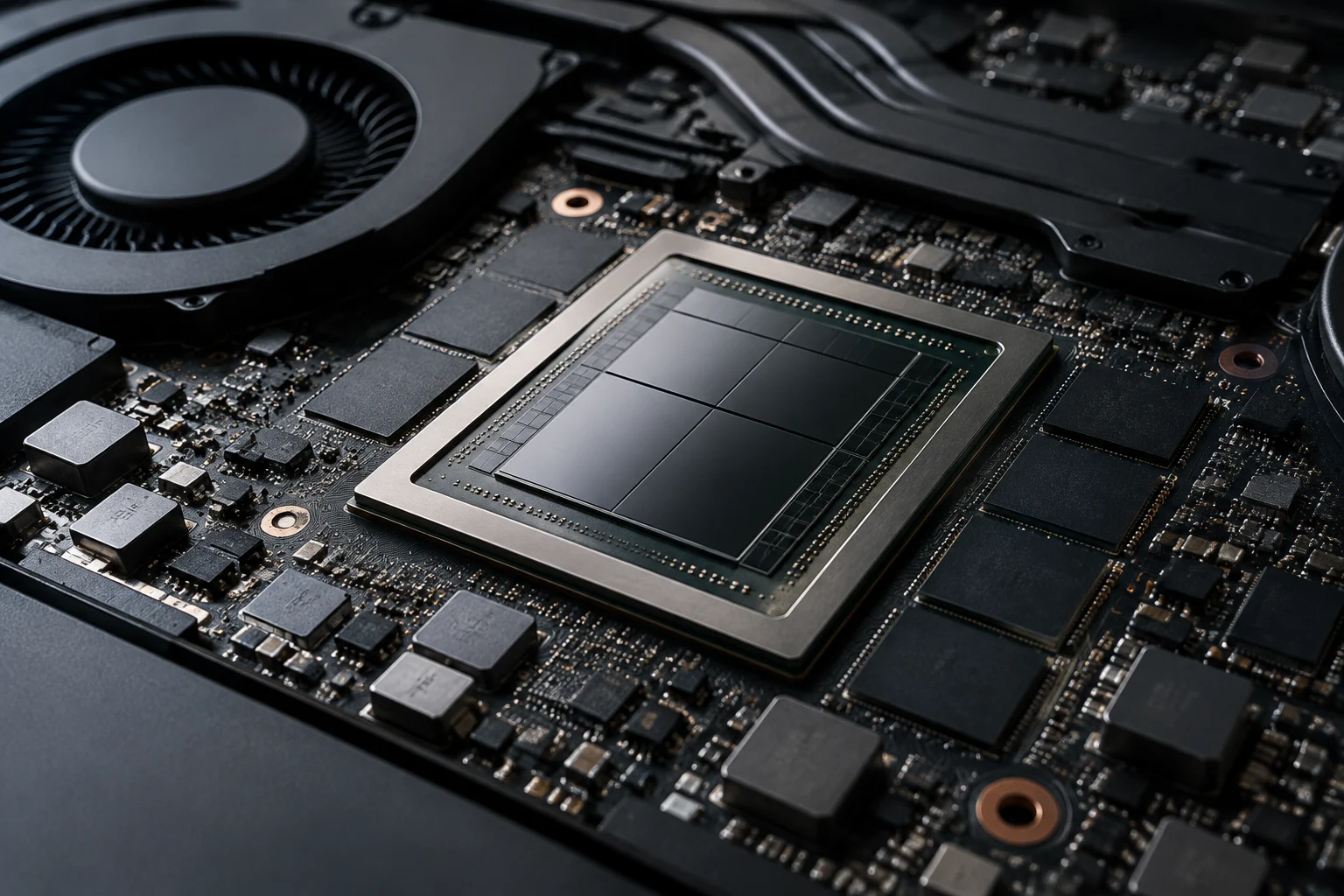
Official information describes RTX Spark as an SoC combining NVIDIA Grace CPU and NVIDIA Blackwell GPU. NVIDIA announces up to 128 GB of unified memory and up to one petaflop of AI performance; these are maximum platform figures and should not be read as the configuration or measured performance of each commercial laptop. Shared memory can be relevant for workloads that need to keep models and data in the system, although it does not replace speed measurement in a specific task.
NVIDIA also presents the CUDA and RTX ecosystem as part of the set. For developers, the potential value lies in being able to work with GPU-accelerated tools and libraries on a laptop PC. However, CUDA being part of the platform does not prove by itself that all common applications are available on Windows on Arm, nor that they function with identical dependencies or performance as on an x86 device.
This is one of the purchase criteria that deserves to be checked before the maximum memory number: the real compatibility of work software. A user may need native versions for Arm, emulation layers, or updates from the application manufacturer. NVIDIA's documentation on development on RTX Spark lists components of the developer environment, but its scope does not equate to a universal certification of third-party programs.
Confirmed Specifications and Limits of the Figures
NVIDIA's launch documentation confirms a figure of up to 1 petaflop of AI performance and up to 128 GB of unified memory. It presents RTX Spark as a platform integrating the company's AI and graphics technologies, including CUDA and RTX. These are specifications and capabilities announced by the manufacturer; they do not constitute independent proof nor allow deducing speed in all applications.
The announcement also relates the platform to tasks such as running models locally, creating content, and gaming. It is more prudent to treat these uses as intended scenarios rather than guaranteed results. The experience depends on the implementation in each product, the software version, power limits, and chassis cooling. In particular, the maximum figure does not describe sustained performance when a job requires maintaining load for a prolonged period.
The initial draft attributed specific values for consumption, memory frequency, bandwidth, latency, FP16 power, and CPU performance to the SoC, as well as a specific core hierarchy. These data are not supported by the official evidence available in this package and, therefore, are not presented as facts. Nor can it be deduced that there is a single identical hardware configuration in all devices using the platform.
Availability and What Manufacturer Adoption Means
In its announcement of October 16, 2026, NVIDIA indicated the availability of RTX Spark devices from ASUS, Dell, HP, Lenovo, Microsoft Surface, and MSI. This confirms that the platform reached products from several manufacturers, but does not prove that all families or configurations are available in all countries. The launch date also does not guarantee stock, delivery times, or a specific configuration in a particular store.
June 2026 coverage documented devices shown at Computex, before the start of availability announced by NVIDIA in October. This time difference matters: the exhibition of prototypes or demo units credits that there were designs in development or display, not that a buyer could then acquire them. Announced availability and local availability are different things, and it is advisable to verify the sales channel of the country and the exact variant.
The verified material does not offer a complete and official list of model numbers, configurations by market, or prices with seller and observation date for each manufacturer. Therefore, no prices are attributed here to Surface, ASUS, or other brands, nor is a specific device presented as the most economical. Before buying, check the memory of the specific configuration, storage, delivery conditions, and return policy on the official page or seller.
Local AI, Gaming, and Creation: What Can Be Concluded
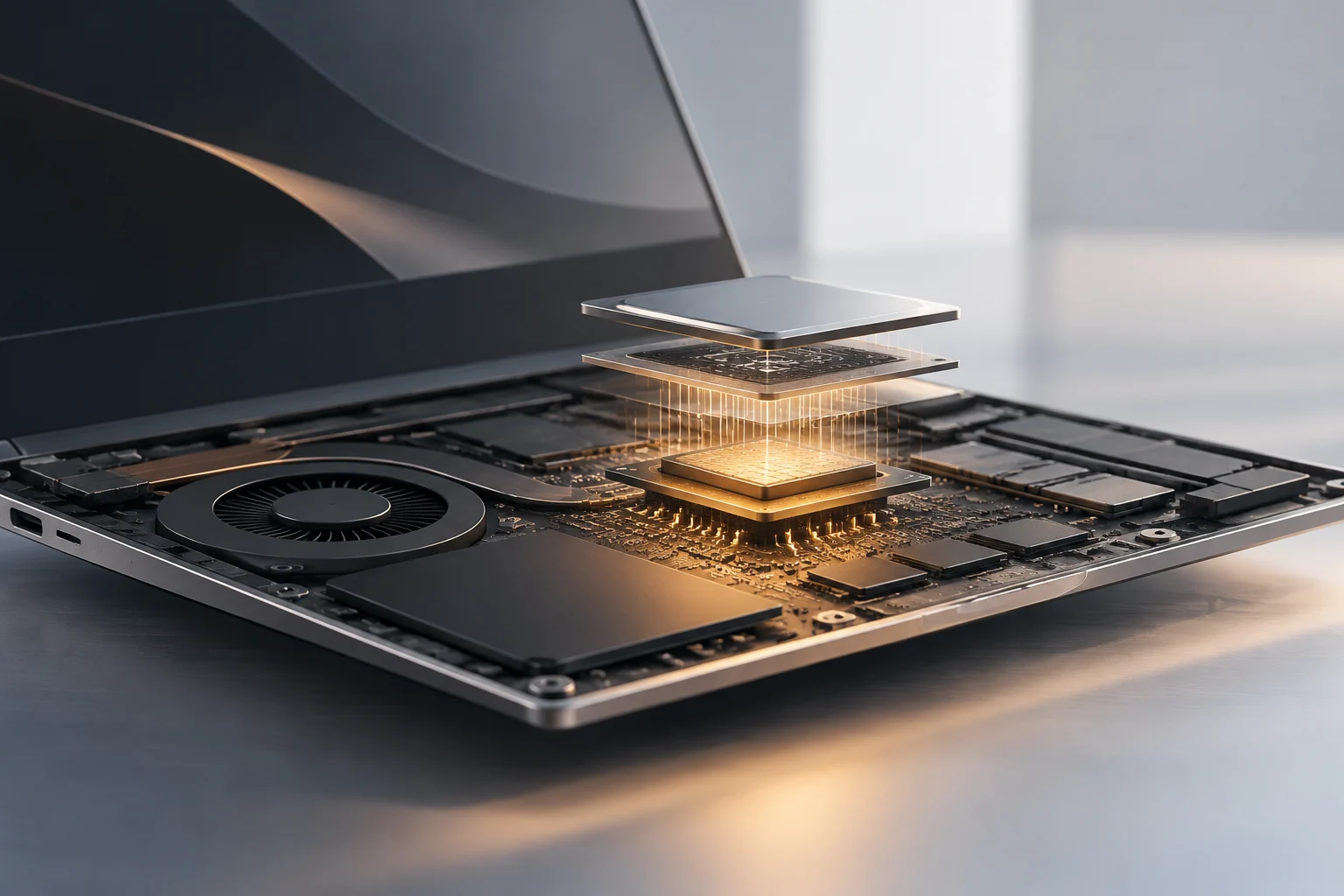
NVIDIA promotes RTX Spark for AI, creation, and gaming, and its developer documentation describes a workflow that gathers programming, testing, and deployment on one machine. This is a particularly pertinent argument for those who want to experiment with local models or develop with tools from the CUDA ecosystem. The utility depends on the workload: the model, its format, quantization, available software, and the amount of memory the chosen configuration actually has matter.
The first tests reported by an independent source showed mixed results: advantages were communicated in certain AI tasks and problems or less favorable results in some games. Coverage also indicated that aspects such as battery life, temperatures, and specific designs still remained to be evaluated. These results are not enough to establish a general conclusion about the entire range, and must be read as observations on specific devices and tests, not as a representative average of each laptop.
For editing, rendering, or professional work, the useful question is not whether the device can open an application, but whether the real project fits in memory and runs with the necessary tools and plugins. For gaming, in addition to the GPU, resolution, settings, drivers, and cooling count. It is not advisable to buy based only on an AI figure or a demonstration: look for independent tests of the same model and configuration you intend to acquire.
Thermals, Battery, and Purchase Decisions
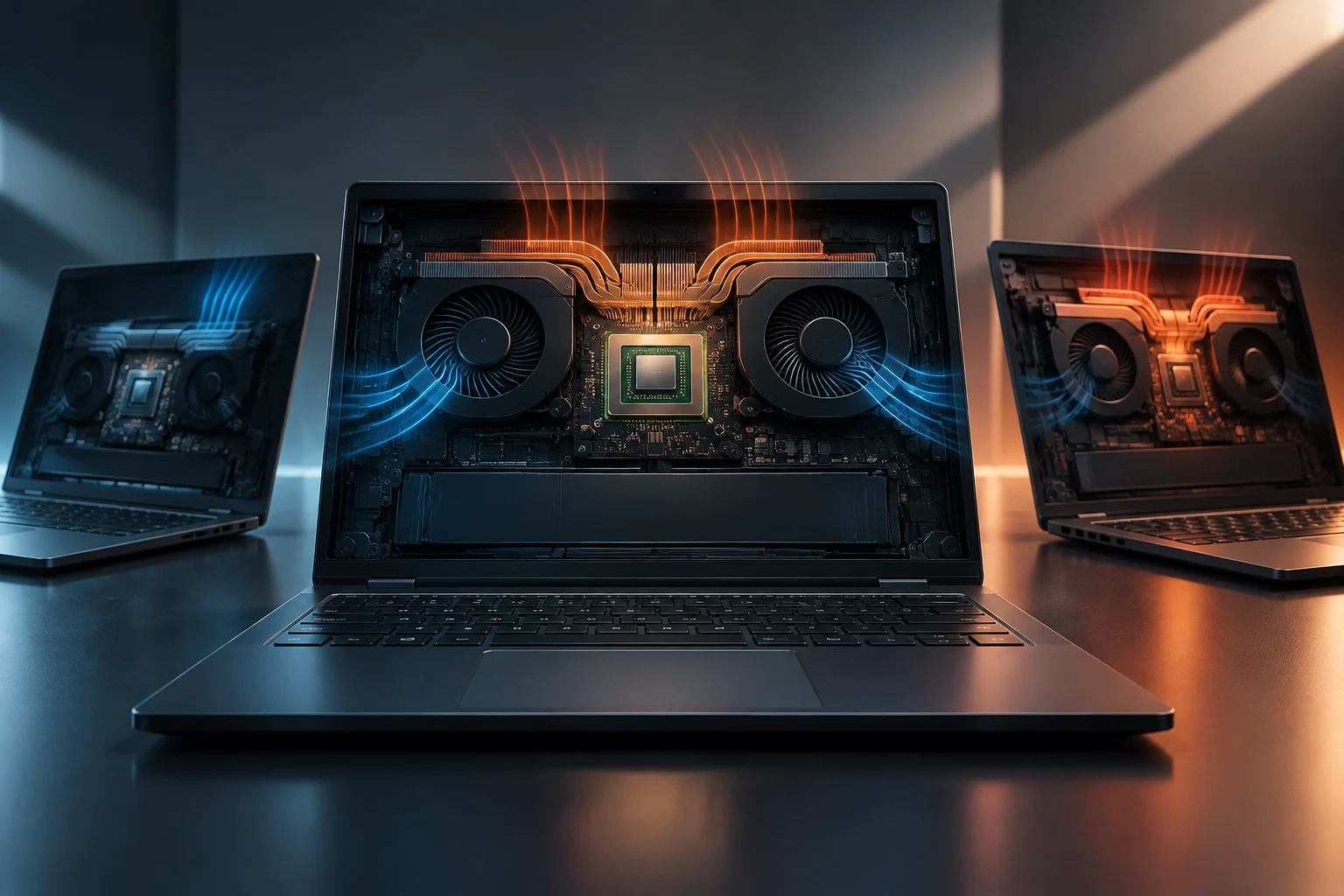
A thin design can make it more difficult to maintain high performance during long loads, but there is no comparable battery of thermal measurements for all RTX Spark laptops in verified sources. Therefore, it is not possible to affirm that the platform has a common thermal limitation nor to attribute temperatures, consumption, or battery life to all models. Cooling is a characteristic of the laptop, not a figure that can be inferred from the platform name.
NVIDIA announces devices designed to combine performance and portability, but the real battery duration depends on the battery size, screen, brightness, power mode, and type of load. A day of browsing and video calls is not comparable to running a local model or rendering video continuously. If mobility is a priority, look for reviews that measure battery life under tasks similar to yours and that identify the tested model.
A practical check before deciding can reduce surprises:
- Identify the model number and exact variant; do not settle for the family name.
- Confirm unified memory, storage, screen, and ports in the manufacturer's sheet.
- Verify that your applications, plugins, and peripherals are compatible with Windows on Arm.
- Look for independent tests of the same model, especially of sustained performance, noise, and battery.
- Check stock, price, and return conditions in your market before paying.
Conclusion: For Whom RTX Spark Might Make Sense
RTX Spark may interest developers, creators, and advanced users who value running local AI workloads and working with NVIDIA technologies in a laptop. The platform offers a unique combination of Grace CPU, Blackwell GPU, unified memory, and CUDA/RTX ecosystem. The practical advantage, however, depends on the software and the specific laptop; the RTX Spark name does not guarantee universal compatibility or a fixed level of battery life or performance by itself.
For those working with CUDA tools or wanting to test local models, it makes sense to first check the support for their applications and the available memory configuration. For a buyer focused on gaming, it is advisable to wait or consult tests of the exact commercial model, because promotional data from the platform does not replace independent comparisons in the titles that interest them. In both cases, cooling, noise, and sustained performance can weigh as much as peak computing.
The availability announced in October confirms that RTX Spark ceased to be just a presentation and reached devices from several manufacturers. It does not by itself resolve the most important purchase questions: which variant is sold in each market, how it performs during long sessions, and which applications function without friction. The sensible decision is to compare configurations and tests of the exact device, not to extrapolate maximum specifications or general promises to the entire category.