Introduction to the OPPO Watch X3 and its market position
The OPPO Watch X3 positions itself as one of the most comprehensive smartwatches in the Android ecosystem, combining the power of Wear OS with a hardware architecture designed to overcome the historical main limitation of this operating system: battery life. Unlike closed-OS watches that offer weeks of battery but limited features, this device aims to provide the full experience of a wrist computer with a usage duration that approaches that of fitness trackers.
OPPO's strategy is not new, but in the Watch X3 it reaches its fullest expression. The company has refined its dual-processor approach over several generations, and this model represents the culmination of that philosophy. The result is a device that, according to the sources analyzed, achieves a balance between performance, health, and battery life that makes it a standout option for users who do not want to sacrifice functionality for autonomy.
This technical approach allows the manufacturer to compete directly in a segment where energy efficiency is usually the main obstacle to the mass adoption of open operating systems. By integrating specific components for low-power tasks, OPPO attempts to reduce the dependence on frequent charging, a decisive factor for the long-term perception of product quality.
Dual-chip architecture: confirmed components
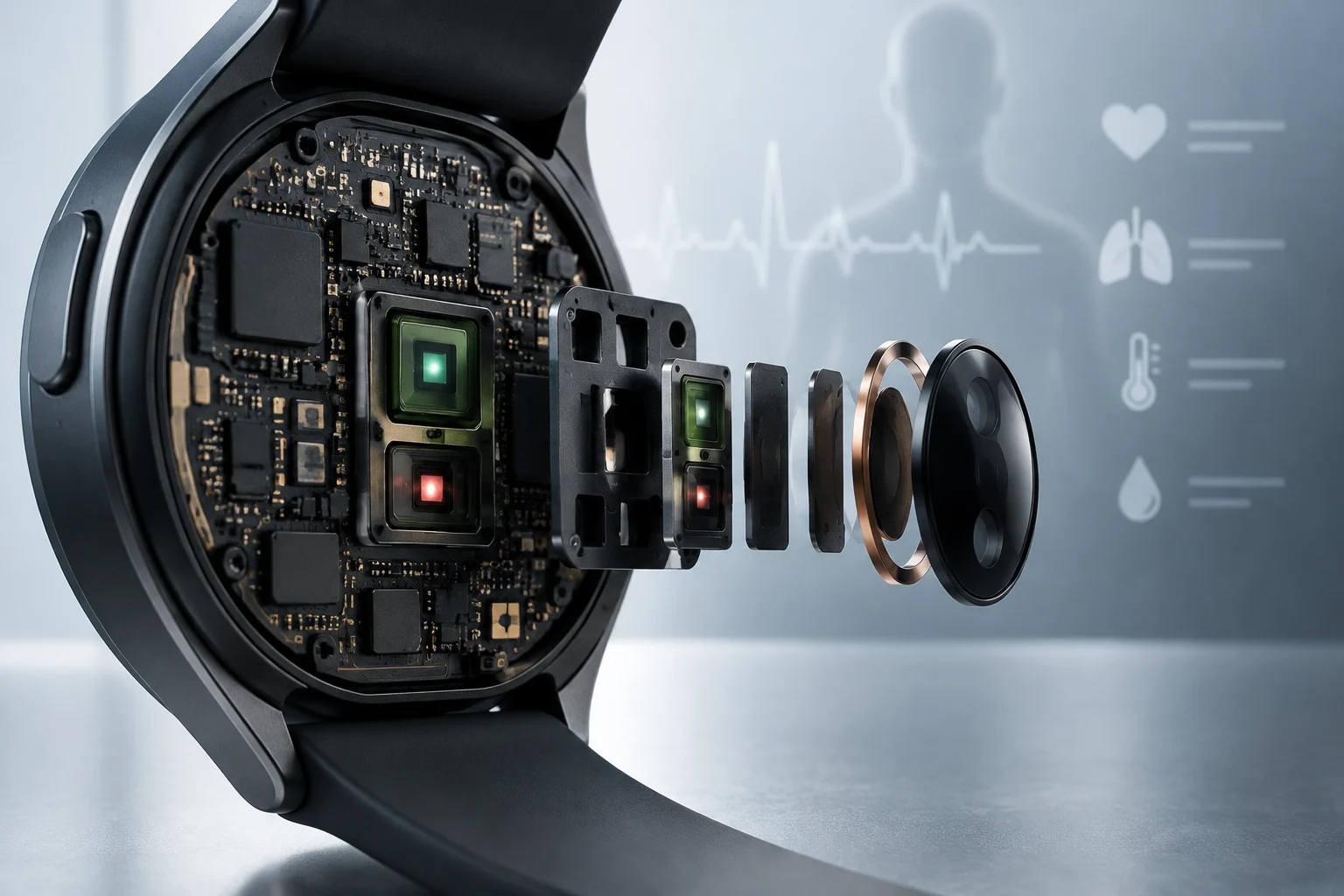
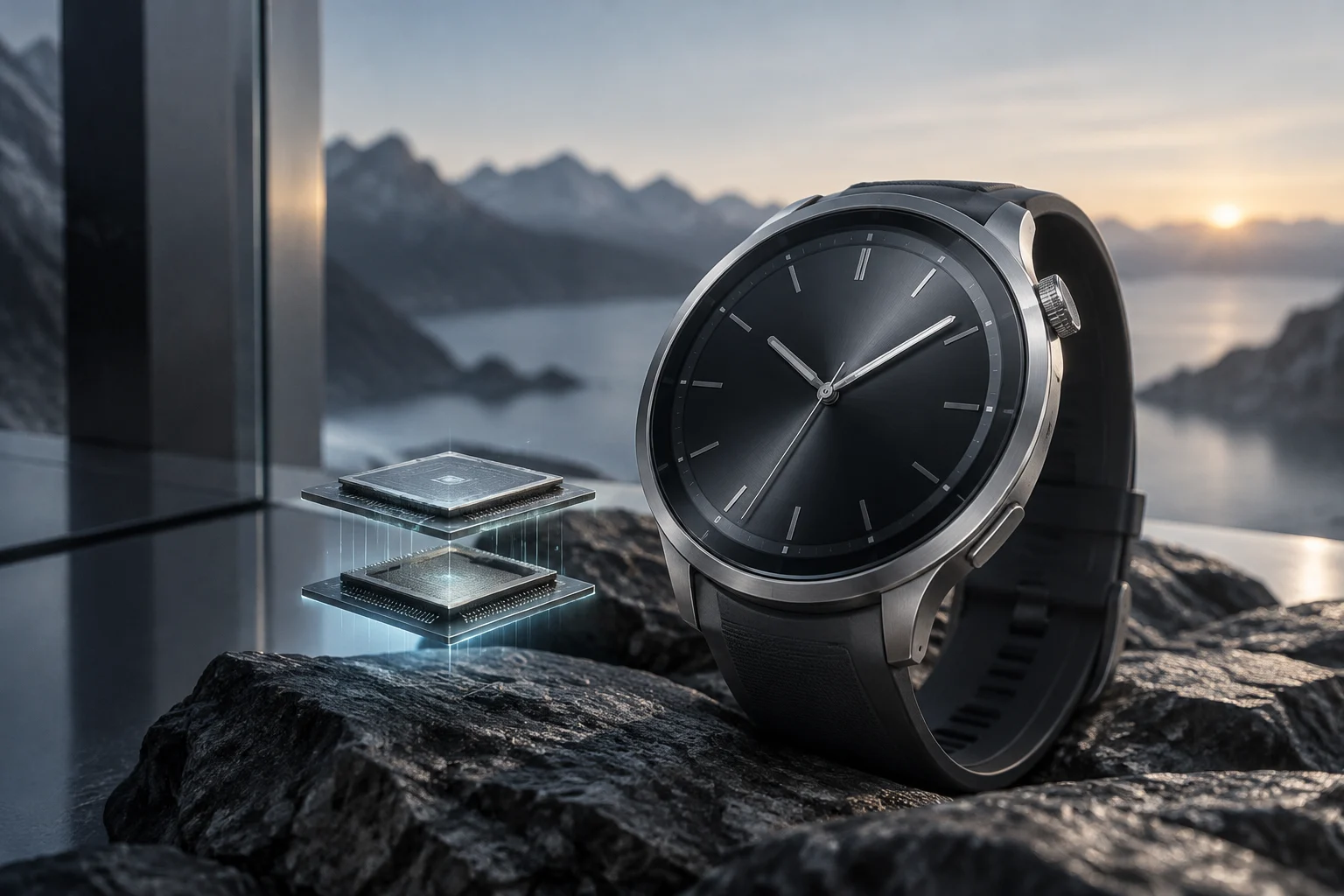
The heart of the OPPO Watch X3 is its dual-chip system, a technical solution that allows two operating systems to run in parallel. The main component is the Qualcomm Snapdragon W5 Gen 1, responsible for running Wear OS and managing applications, notifications, and artificial intelligence functions. This chip is complemented by a low-power processor, identified in the sources as BES2800BP, which runs a real-time operating system (RTOS) for basic health monitoring and display functions.
This task separation is key to understanding the device's performance. While the Snapdragon W5 Gen 1 handles intensive tasks, the BES2800BP keeps the sensors and basic interface active with minimal energy consumption. The 2 GB of RAM and 32 GB of internal storage (plus 4 GB eMMC for the RTOS) support this architecture, allowing fluid multitasking in the main system without compromising the efficiency of the secondary system.
Workload distribution
Energy management is optimized through the delegation of functions. The high-performance processor remains in a resting state most of the time, activating only when complex interaction or application execution is required. Conversely, the low-power chip operates continuously, ensuring that health metrics and time display remain active with almost zero energy expenditure. This orchestration of hardware is the basis of the efficiency declared by the manufacturer.
Verification of declared battery life
OPPO declares a battery life of up to 16 days in the OPPO Watch X3, a figure that aligns with the specifications of the silicon-carbon battery and the energy management of the dual-chip. However, third-party tests show a more nuanced reality. In intensive use with daily training and active sensors, the actual duration is between 4 and 6 days, a figure that, although lower than the theoretical maximum, represents a significant improvement over most Wear OS smartwatches.
The discrepancy between the marketing figure and real use is common in the industry, but in this case the dual-chip architecture justifies the difference. The 16-day mode is probably achieved with very limited use of advanced features, while daily use with GPS, music, and active notifications consumes more energy. Even so, exceeding four days of continuous use is a milestone for a Wear OS device, which historically stayed at 24 hours.
Factors influencing duration
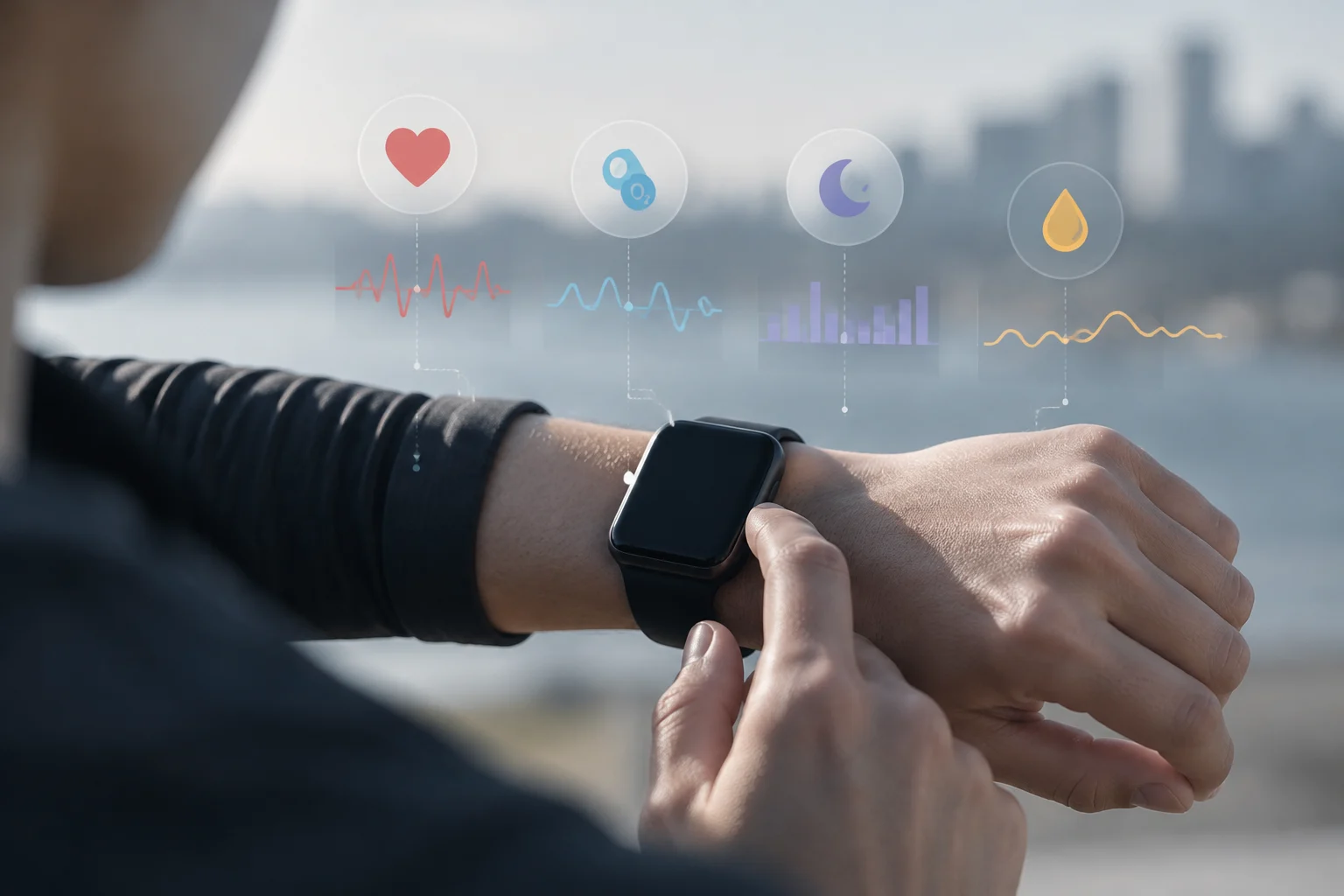
Variability in battery life depends directly on the intensity of the activated functions. Constant use of GPS and music transmission are the main energy consumers, as they require the intervention of the main processor. In contrast, passive monitoring of heart rate and sleep is managed almost exclusively by the secondary chip, which allows extending the battery life in scenarios of lower technical demand.
Real compatibility with Wear OS and limitations
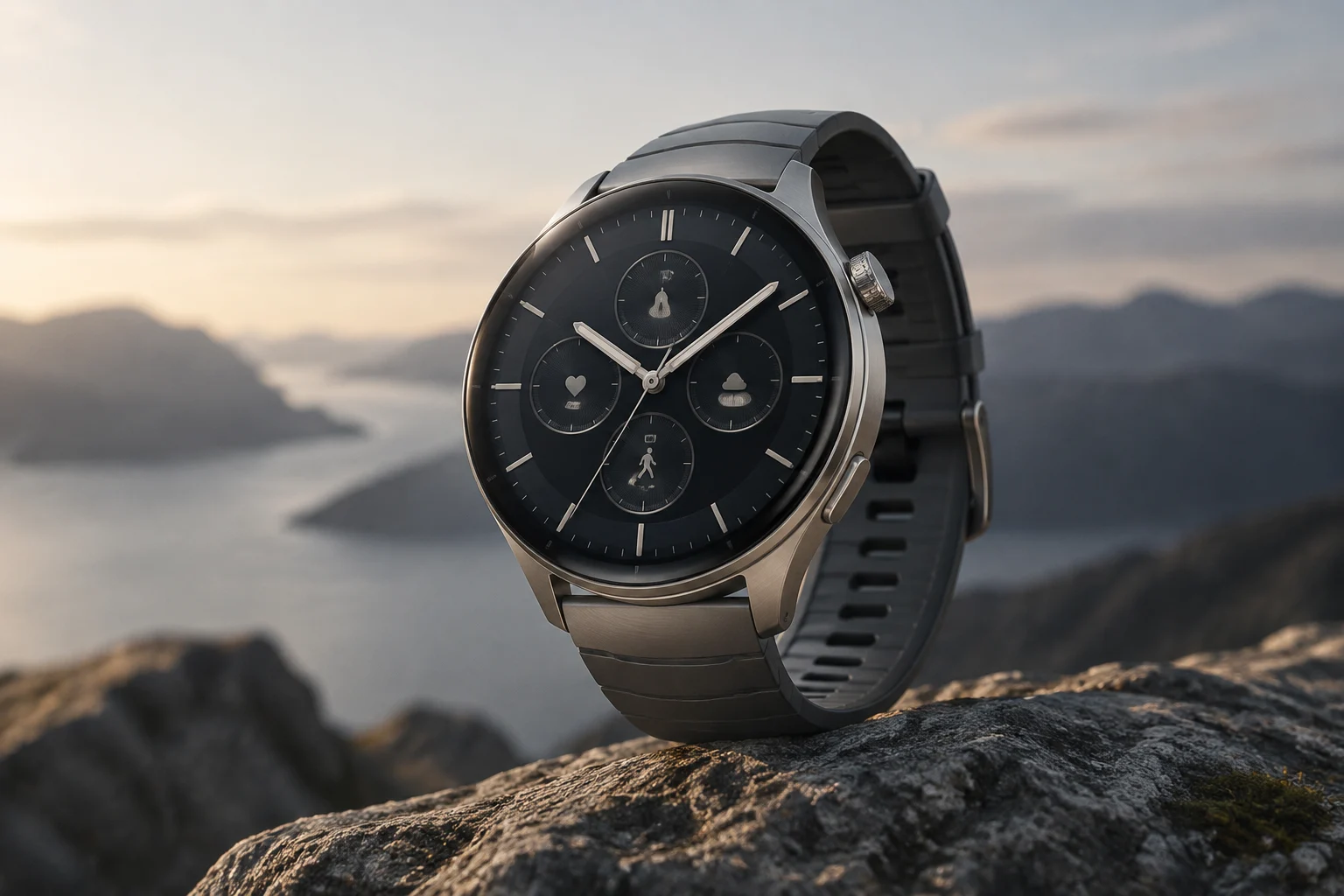
The integration with Wear OS in the OPPO Watch X3 is complete, allowing access to the Google Play Store, integration with Google Gemini for voice assistant, and compatibility with payment and health services. The 1.5-inch LTPO AMOLED screen with a resolution of 466 x 466 pixels and a maximum brightness of 3,000 nits in sports mode ensures excellent readability in any condition, a crucial factor for the user experience outdoors.
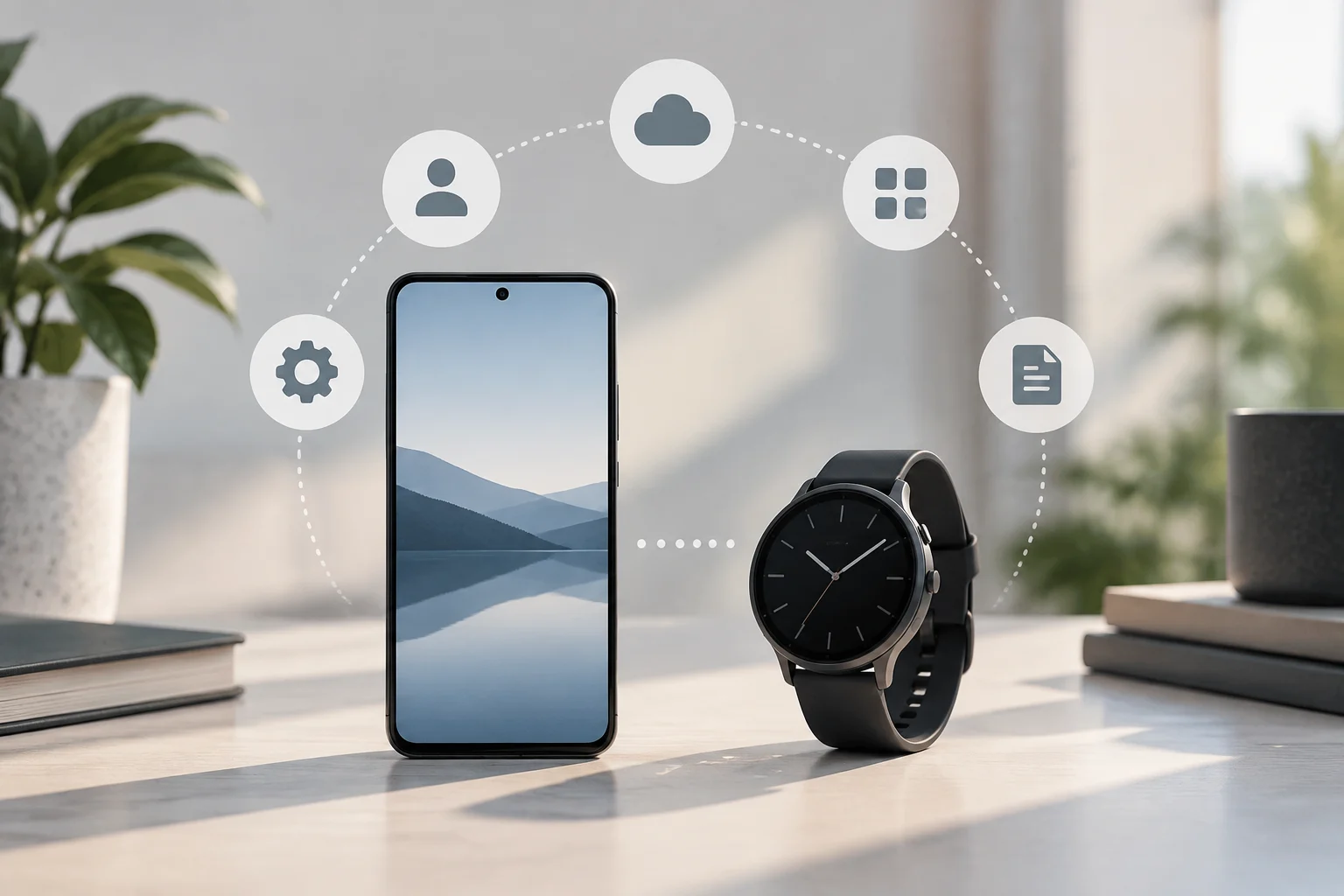
Despite these advantages, the device is not exempt from limitations. The dependence on an Android smartphone for certain advanced functions and the need to keep the Bluetooth connection active for data synchronization are aspects to consider. Furthermore, although the silicon-carbon battery improves energy density, the long-term degradation of this type of cells remains a factor to monitor in the device's lifespan.
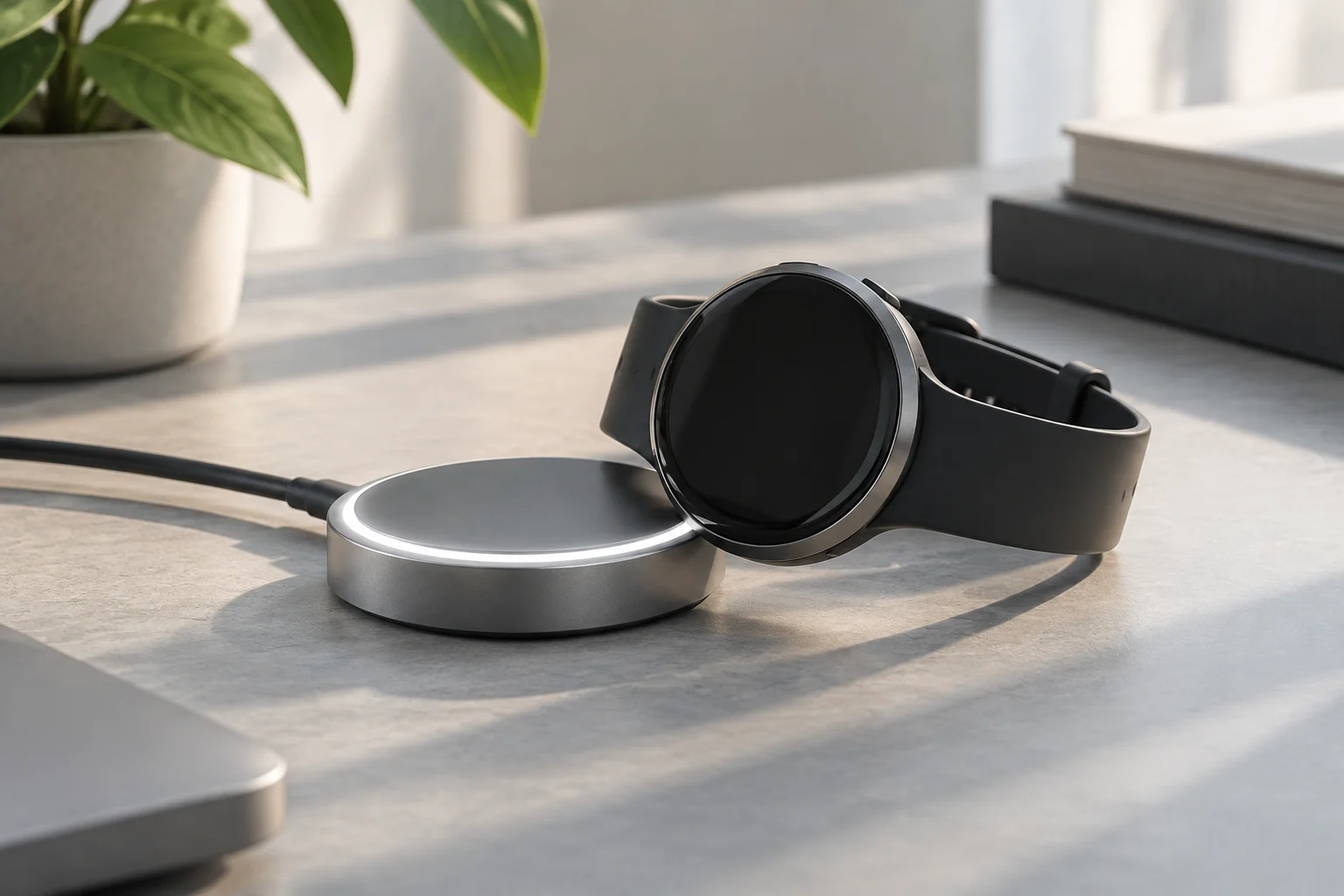
Wireless connectivity plays a fundamental role in the user experience. Maintaining a stable Bluetooth link is essential for real-time notification reception and health data synchronization. Although the battery life is above average, the need for periodic charging remains a reality for users who rely on advanced functions uninterruptedly.
Conclusion: long-term value based on technical evidence
The OPPO Watch X3 demonstrates that the dual-chip architecture is the most viable solution to resolve the conflict between power and battery life in Wear OS smartwatches. The available technical evidence confirms that the specifications declared by OPPO are consistent with the components used, and that the real battery life, although variable depending on use, is superior to that of direct competitors in the same segment.
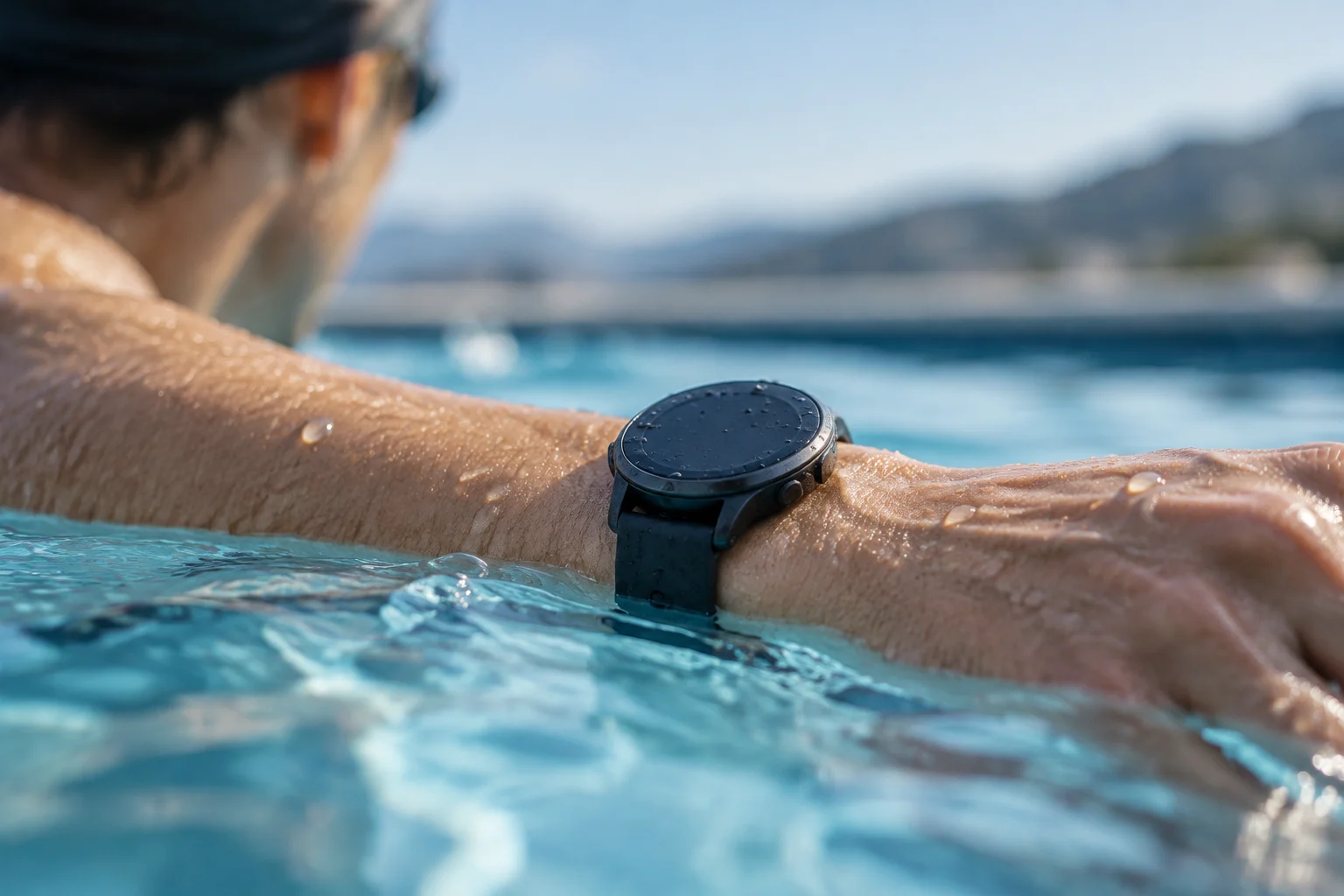
For the end user, this device offers a solid long-term value, especially for those who prioritize health and sports without giving up the functionality of a full smartwatch. The combination of premium materials such as titanium and sapphire crystal, along with IP69 and 5 ATM resistance certifications, reinforces its position as a durable investment in the wearable ecosystem.
The physical durability of the device complements its energy efficiency. The use of TC4 titanium and sapphire crystal not only improves the aesthetics but also protects the internal components from impacts and abrasions. This robustness, added to the intelligent energy management, positions the Watch X3 as a balanced option for users seeking a balance between cutting-edge technology and physical resistance.