Fair Context: From Prototype to Product
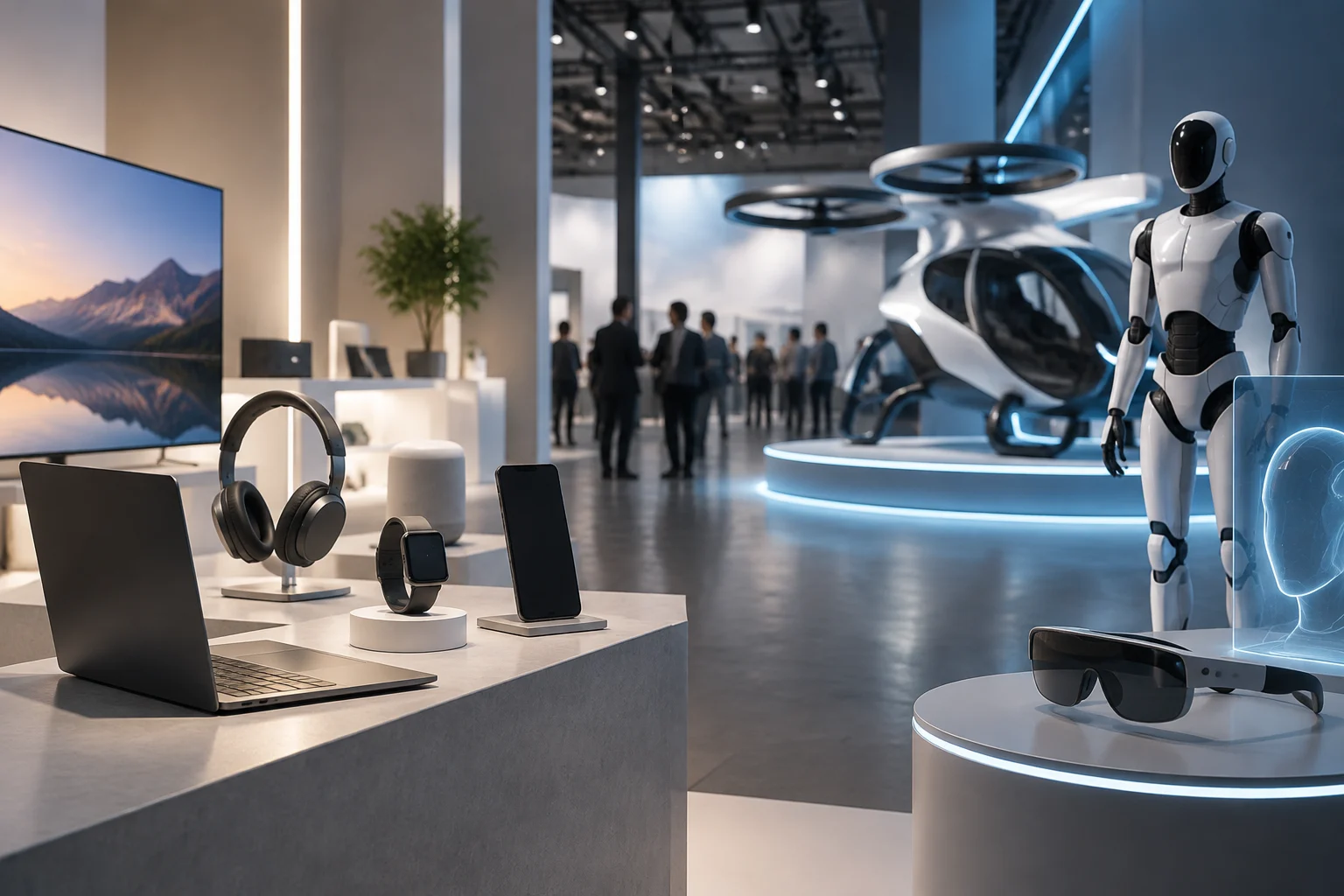
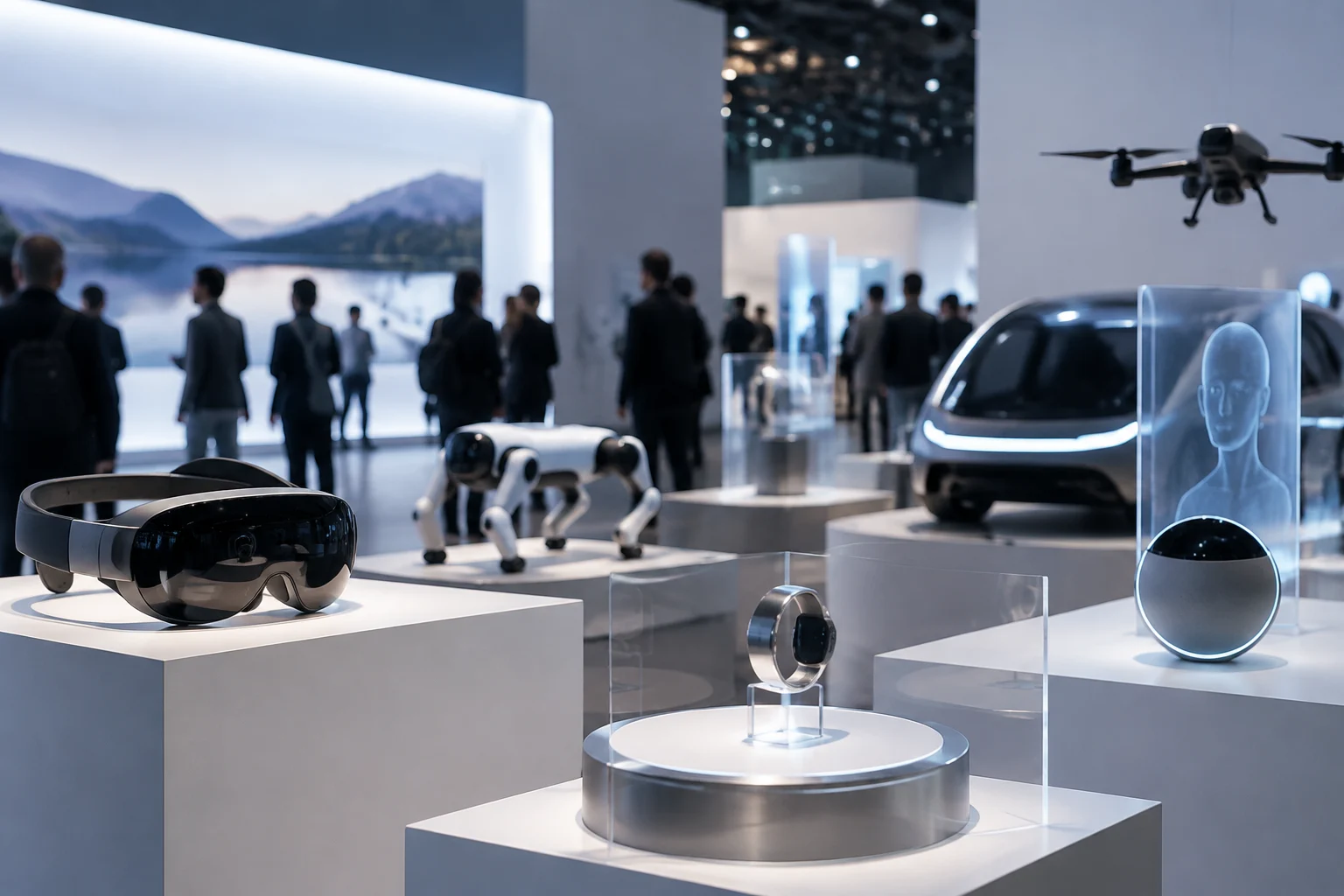
The Consumer Electronics Show (CES) 2026, held from January 6 to 9 in Las Vegas, gathered over 148,000 attendees and 4,100 exhibitors, consolidating its status as the primary global stage for technological innovation. According to the Consumer Technology Association (CTA), the event was marked by the transition from theory to practical application, with a strong emphasis on edge AI integration and device interoperability. This edition marked a turning point where the distinction between a demonstration concept and a market-ready product became more critical than ever for consumers and businesses.
The relevance of CES 2026 for the mobile and connectivity sector lies in the convergence of hardware, software, and networks. Manufacturers did not just present gadgets, but complete ecosystems that require robust communication standards. For the end user, this means that performance and connectivity promises must be contrasted with the reality of commercial availability, a process that often extends for months or even years after the initial announcement at the fair.
Mobile Hardware and Wearables: Specific Announcements
In the realm of mobile devices and wearables, one of the most notable announcements was the Clicks Communicator, a device aiming to revive the physical keyboard phone experience, similar to old BlackBerrys. This device, which will run Android 16 with the Niagara launcher, is scheduled for late 2026 with an estimated price of $500. Its value proposition focuses on reducing distractions and including classic features like the 3.5 mm headphone jack, differentiating it from current smartphones that prioritize the touchscreen.
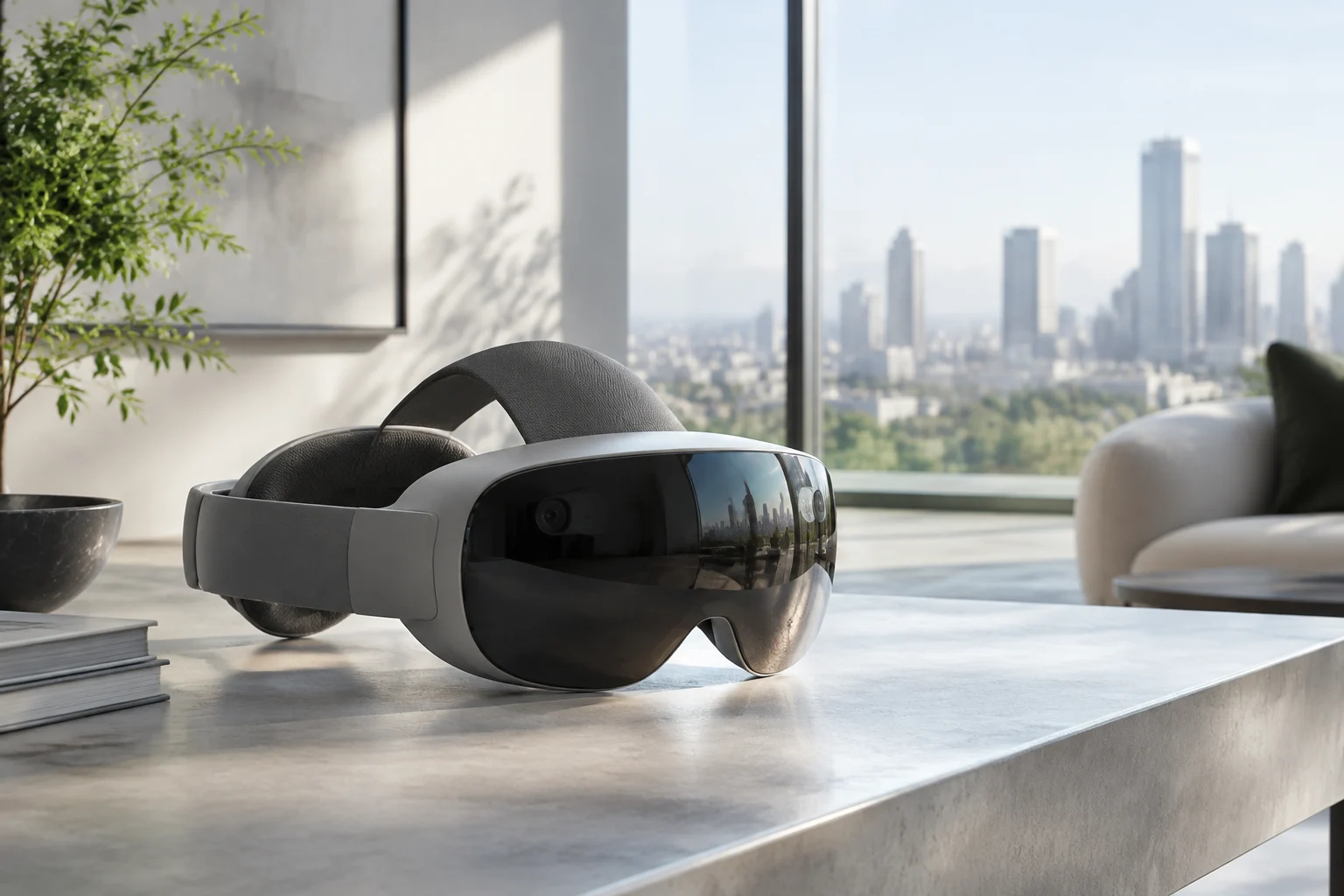
On the other hand, Samsung presented its Galaxy XR platform, recognized with an innovation award in extended reality. This device integrates virtual, augmented, and mixed reality, pointing to more everyday use of spatial computing. Unlike previous prototypes, Galaxy XR positions itself as a more mature solution, although its mass availability and final price remain points of attention for users looking to delve into this technology without waiting for the coming years.
Connectivity News: Wi-Fi 7, Wi-Fi 8, and 5G
Connectivity was one of the pillars of CES 2026, with significant announcements from MediaTek and the Wi-Fi Alliance. MediaTek presented the Filogic 8000 family, designed to lead the Wi-Fi 8 ecosystem. This technology promises ultra-high reliability and low latency, crucial for AI-driven applications and high-density device environments. Wi-Fi 8 is designed to address interference and stability issues arising from the proliferation of IoT and extended reality devices.
Simultaneously, the Wi-Fi Alliance introduced a new 20 MHz device category for Wi-Fi 7, focused on the Internet of Things (IoT). This measure aims to improve connection consistency for applications such as security cameras, video doorbells, and HVAC systems. The adoption of Wi-Fi 7, formally standardized in 2025, is accelerating thanks to these spectral efficiency improvements, allowing multiple devices to share the spectrum more effectively without sacrificing useful data rates.
Criteria to Distinguish Prototypes from Real Products
Differentiating between a demonstration prototype and a market-ready product is essential for making informed purchasing decisions. A key criterion is the confirmation of launch date by the manufacturer. At CES 2026, many devices were shown as functional units, but without a specific date of availability to the public. For example, while the Clicks Communicator has an estimated date for late 2026, other physical AI or robotics devices shown at the fair remain in early development, with no clear commercialization horizon.
Another important indicator is standards certification. Devices that already meet standards like Wi-Fi 7 or 5G NR have a higher probability of being market-ready, as they have passed interoperability tests. In contrast, prototypes relying on developing standards, such as Wi-Fi 8, usually require more time for validation by the Wi-Fi Alliance and other standardization bodies. Consumers must pay attention to whether a product is a 'proof of concept' or a 'production unit'.
Impact on the Ecosystem and Expectations for 2026
The announcements at CES 2026 have a direct impact on competition and consumer expectations. The introduction of technologies like Wi-Fi 8 and improvements in Wi-Fi 7 for IoT pressures router and end-device manufacturers to update their products more rapidly. This could result in an accelerated device park renewal in 2026, especially in the smart home and extended reality segments, where latency and stability are critical for the user experience.
For users, the main lesson is informed patience. Although innovation is tangible, commercial availability does not always coincide with the announcement. Companies integrating edge AI and seeking interoperability are redefining quality standards, but consumers must wait for products to move from the prototype phase to mass production. Transparency in launch dates and technical specifications will be key to distinguishing marketing promises from technological reality in the coming months.