The legal framework: from draft to consolidated rule
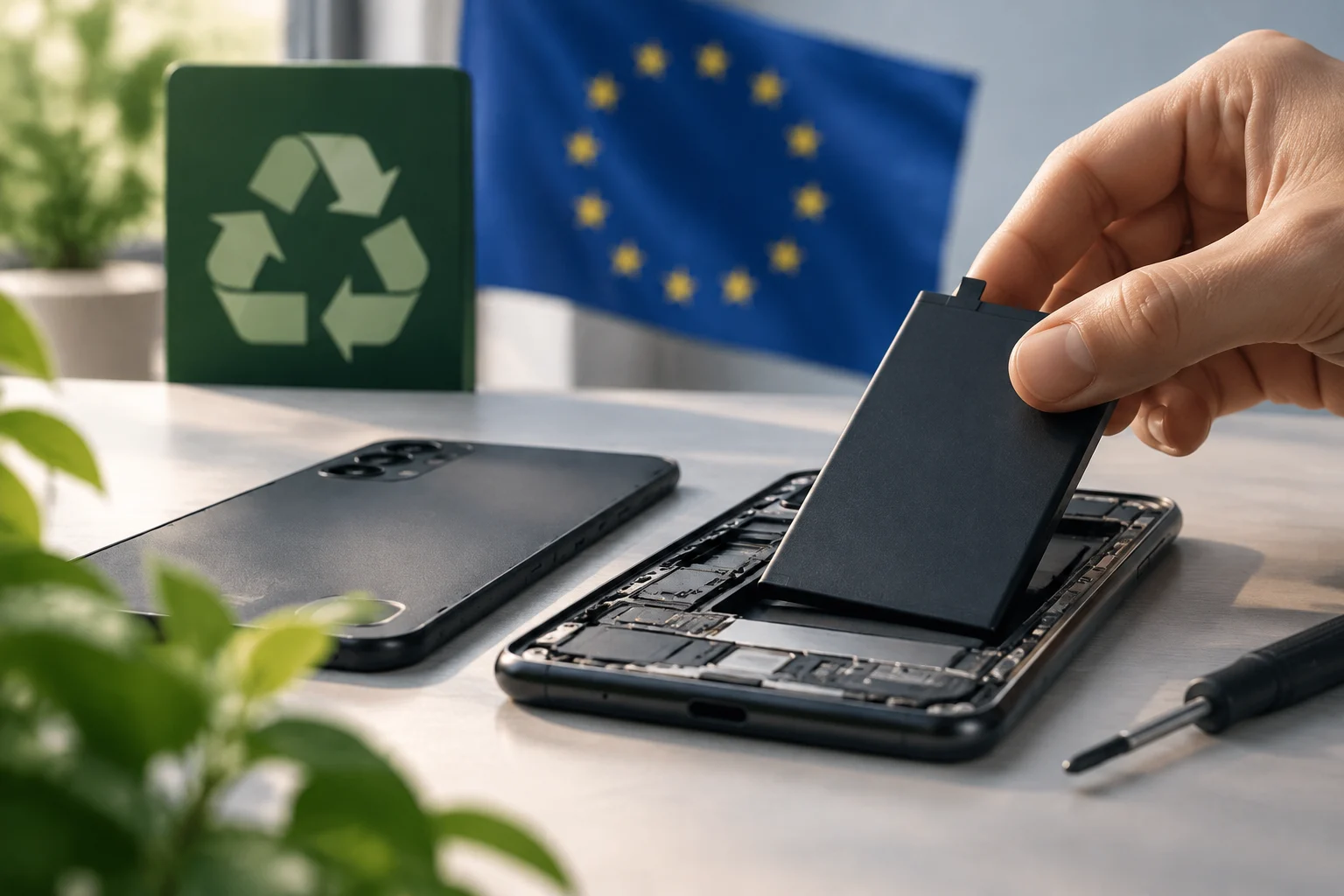
The European Union has consolidated its circular economy strategy through EU Regulation 2023/1542, which sets strict requirements for electronic device batteries. This legal framework is not a mere recommendation but a binding obligation affecting all manufacturers wishing to sell products in the European market. The primary goal is to reduce planned obsolescence and minimize e-waste generation, a growing issue in the mobile phone sector.
The application of these norms has been rolled out in phases. While initial energy labeling and durability measures began in 2025, the central requirement of battery removability enters into force on February 18, 2027. This date marks an inflection point for the industry, which has had to redesign manufacturing processes to meet new repairability standards without compromising water resistance or structural integrity.
What 'easily removable' means in practice
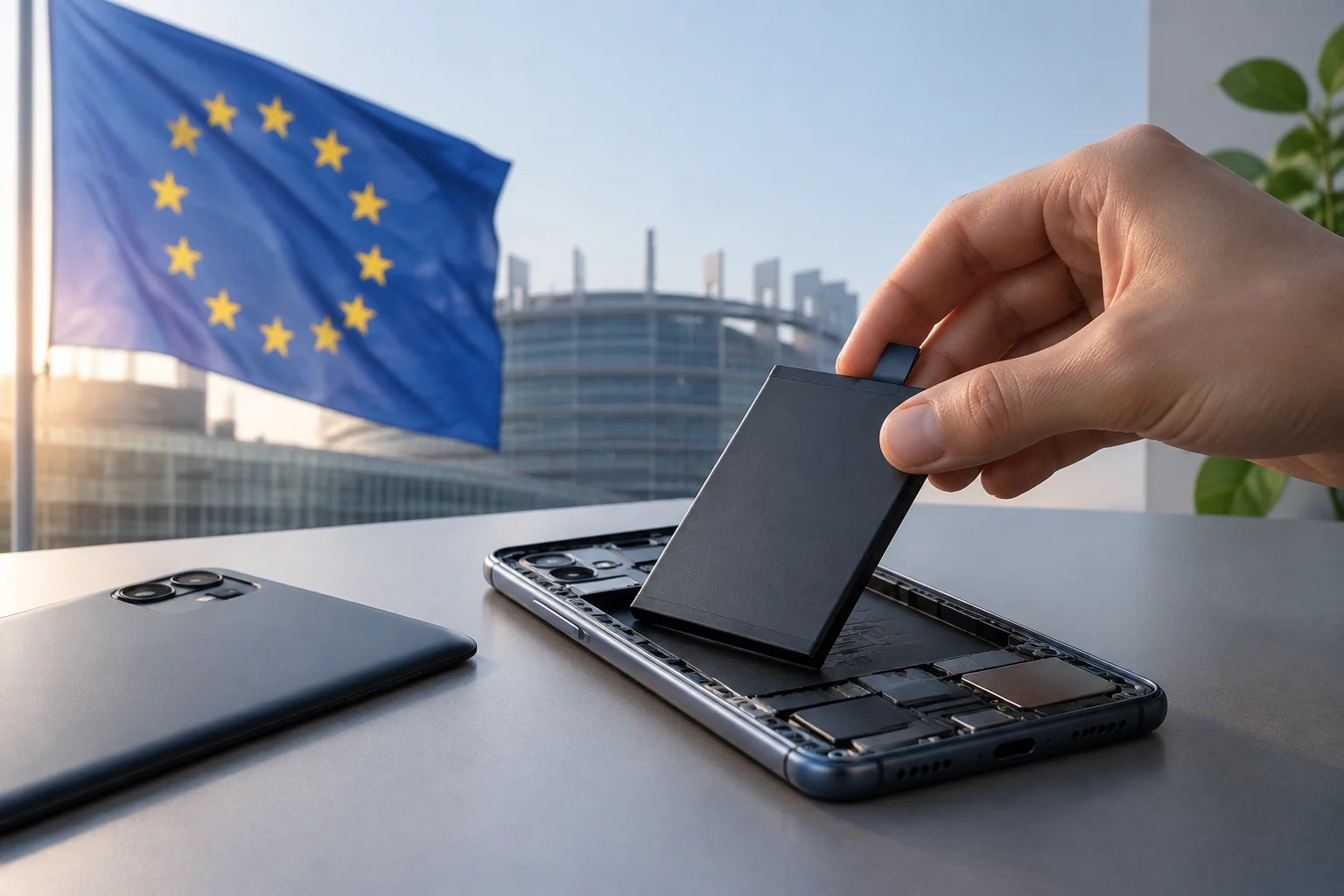
The term 'easily removable' has been debated, but the consolidated text clarifies that the battery must be removable and replaceable using commercially available tools. This excludes industrial adhesives, patented screws, or repair kits reserved exclusively for official technical services. The average user must be able to perform the change without advanced technical knowledge or risk of damaging the device.
Furthermore, the regulation explicitly prohibits the use of software locks or parts pairing mechanisms that prevent the phone from functioning when a non-approved replacement battery is detected. This measure aims to ensure the right to repair is not a dead letter, guaranteeing that any compatible battery works correctly once installed, regardless of its origin.
Timeline and phased obligations
The transition to a more sustainable model is not immediate but follows a chronology defined by the European Commission. Below are the key dates and associated obligations for each stage:
| Date | Main Obligation | Scope |
|---|---|---|
| June 2025 | Energy labeling and durability | Smartphones and tablets |
| 2026 | Battery health information | New devices |
| Feb 18, 2027 | Easily removable battery | Smartphones, tablets, and laptops |
It is important to note that the rule is not retroactive. It only affects devices introduced to the European market after the corresponding application date. Mobiles purchased before 2027 are not required to meet the removability requirement, although manufacturers may offer spare parts and repair services according to the conditions in force at the time of sale.
Exemptions and nuances for manufacturers
Contrary to sensationalist headlines, the regulation does not require all mobiles to have a removable battery in the classic sense of devices from a decade ago. The regulation contemplates specific exemptions for devices that meet certain durability and resistance standards. For example, a smartphone demonstrating a battery life exceeding 1,000 charge cycles and IP68 water resistance could opt for a unibody design, provided replacement is possible by authorized professionals.
The European Commission opened a public consultation in late April 2026 to gather opinions on these exemptions, including categories like smartwatches, activity bands, and electric toys. This consultation, which closed on May 26, allowed manufacturers to present their technical and economic arguments. The relative silence of major brands during this period suggests that many have already developed design solutions that comply with the regulation without needing user-interchangeable batteries.
Practical impact for the consumer
For the end user, this regulation translates into greater autonomy and control over the device's lifespan. The obligation to keep the battery available as a spare part for a minimum of five years after the last unit of the model leaves the market ensures users are not left without replacements when the original battery degrades. This reduces the need to buy a new phone solely due to battery wear, a key factor in purchase decisions for many consumers.
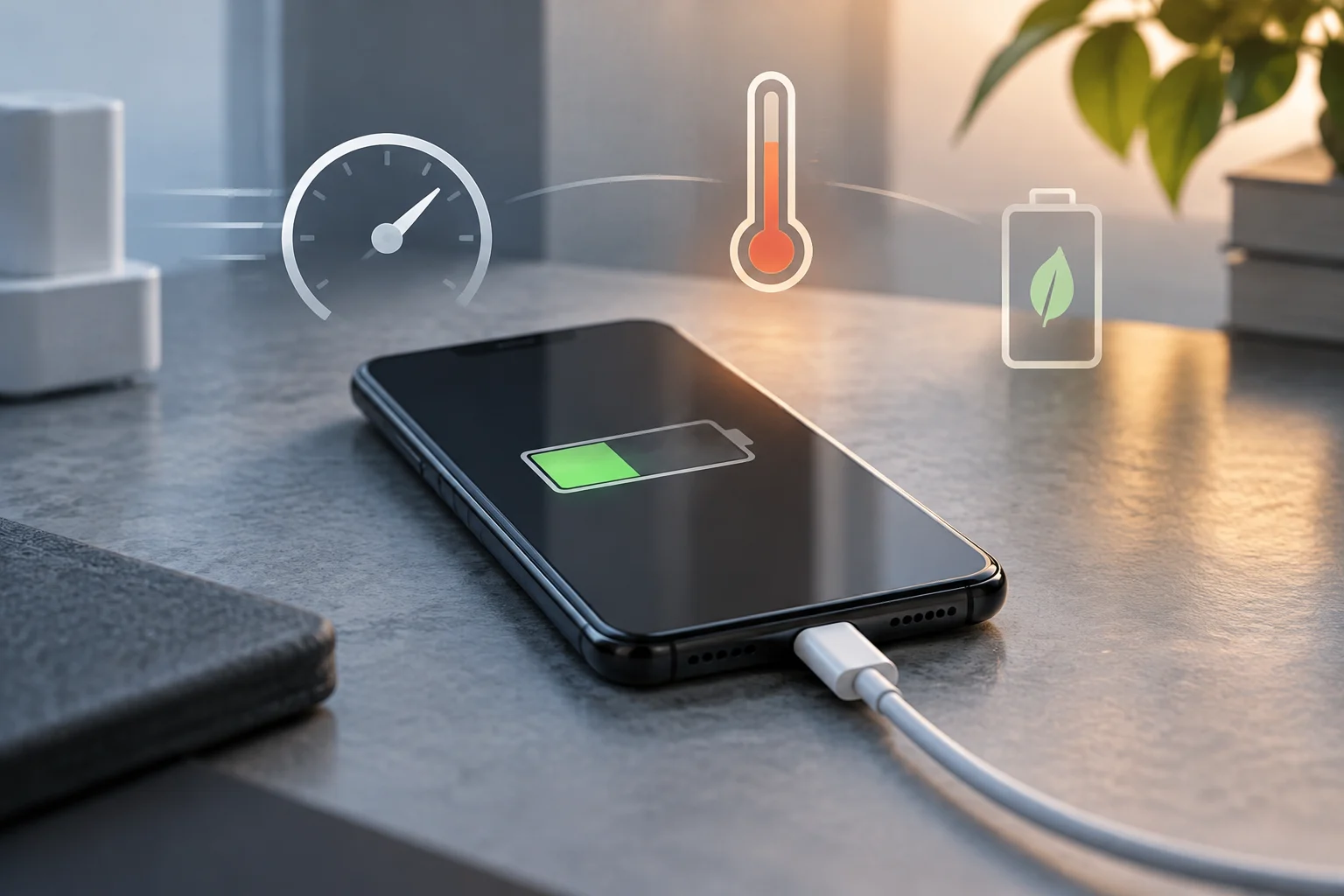
Additionally, improved battery health information and easier access to spare parts foster a culture of repair and maintenance. Users will be able to verify battery status through standard interfaces and, if necessary, perform the replacement themselves or visit a technician with the certainty that the device will continue to function correctly. This transparency contributes to a more sustainable relationship between the consumer and technology.