The boundary between promise and materials engineering
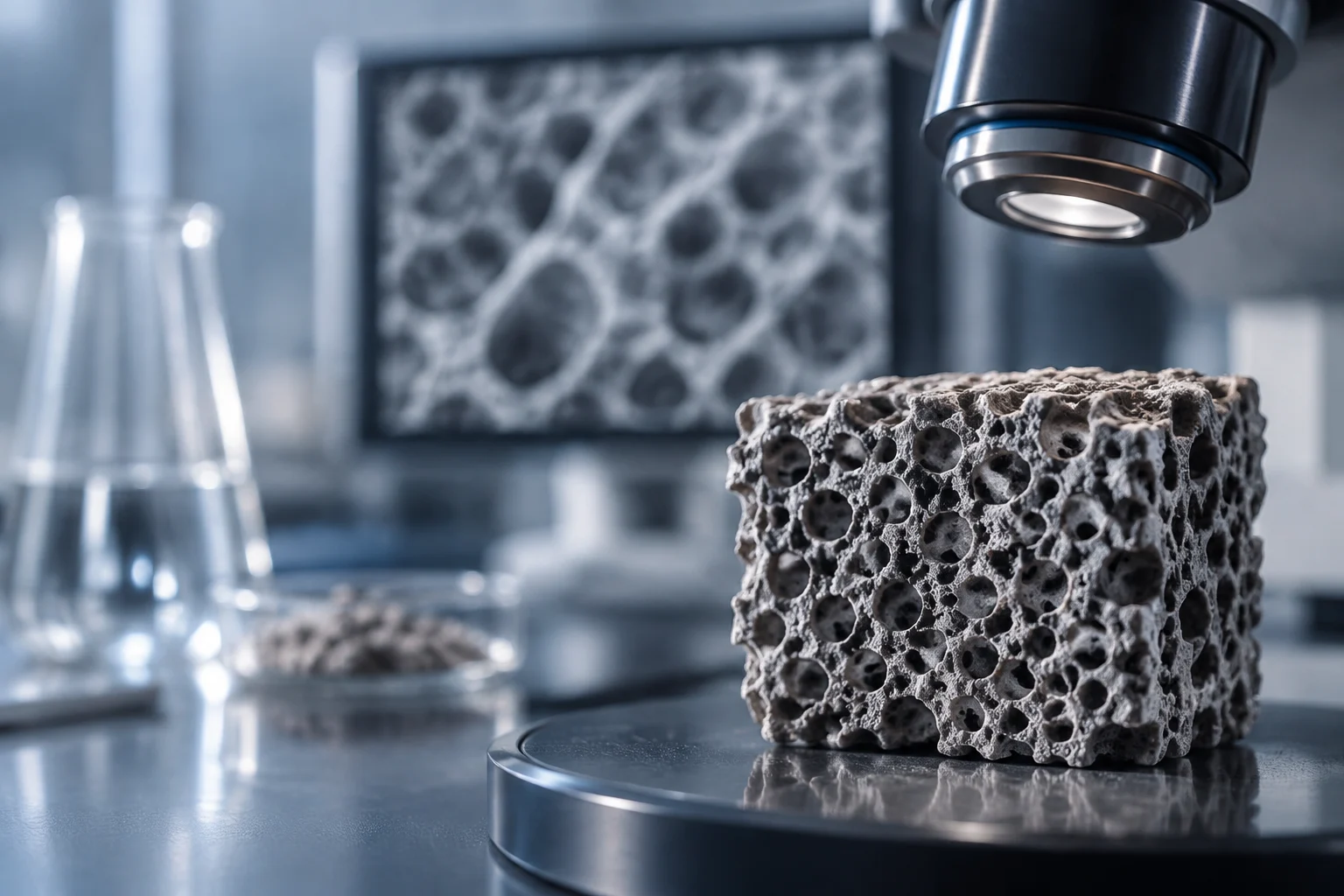
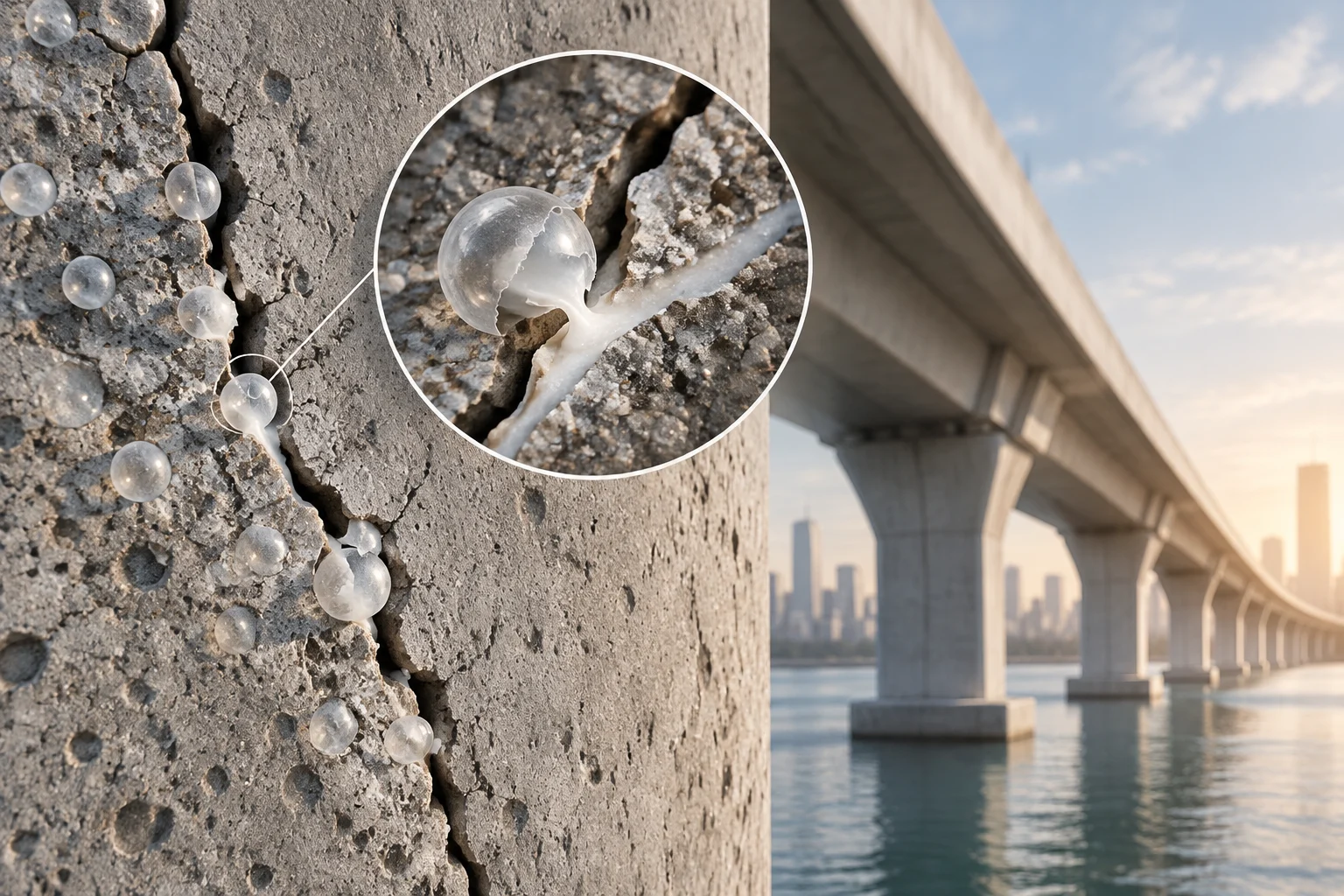
Self-healing materials have ceased to be a laboratory curiosity to become a research line with direct implications for critical asset management. According to the American Society of Mechanical Engineers (ASME), these materials can repair cracks at the micro and nano level without compromising their chemical or mechanical properties, thereby extending the product's useful life. This capability is particularly relevant in bridges, dams, and buildings, where traditional inspection and maintenance can involve difficult-to-sustain costs. The possibility of repairing incipient damage sparks interest precisely because deterioration can accumulate before a conventional intervention becomes necessary.
However, moving from a proof of concept to a large-scale deployment involves overcoming physical and economic barriers. The distinction between autonomous systems, which do not require an external stimulus, and non-autonomous systems, which need heat or other stimuli, helps determine where each mechanism can function. This difference conditions both the design and the environment in which the material could be used: not all assets can practically provide the necessary stimulus.
In 2026, the global market for these materials is projected to exceed $29 billion by 2035. This forecast reflects growing investor interest but does not equate to widespread industrial adoption. Most applications remain concentrated in specific niches or controlled field trials, so commercial scale must still be read alongside performance and manufacturing limitations.
Technical mechanisms: microcapsules vs. vascularized systems
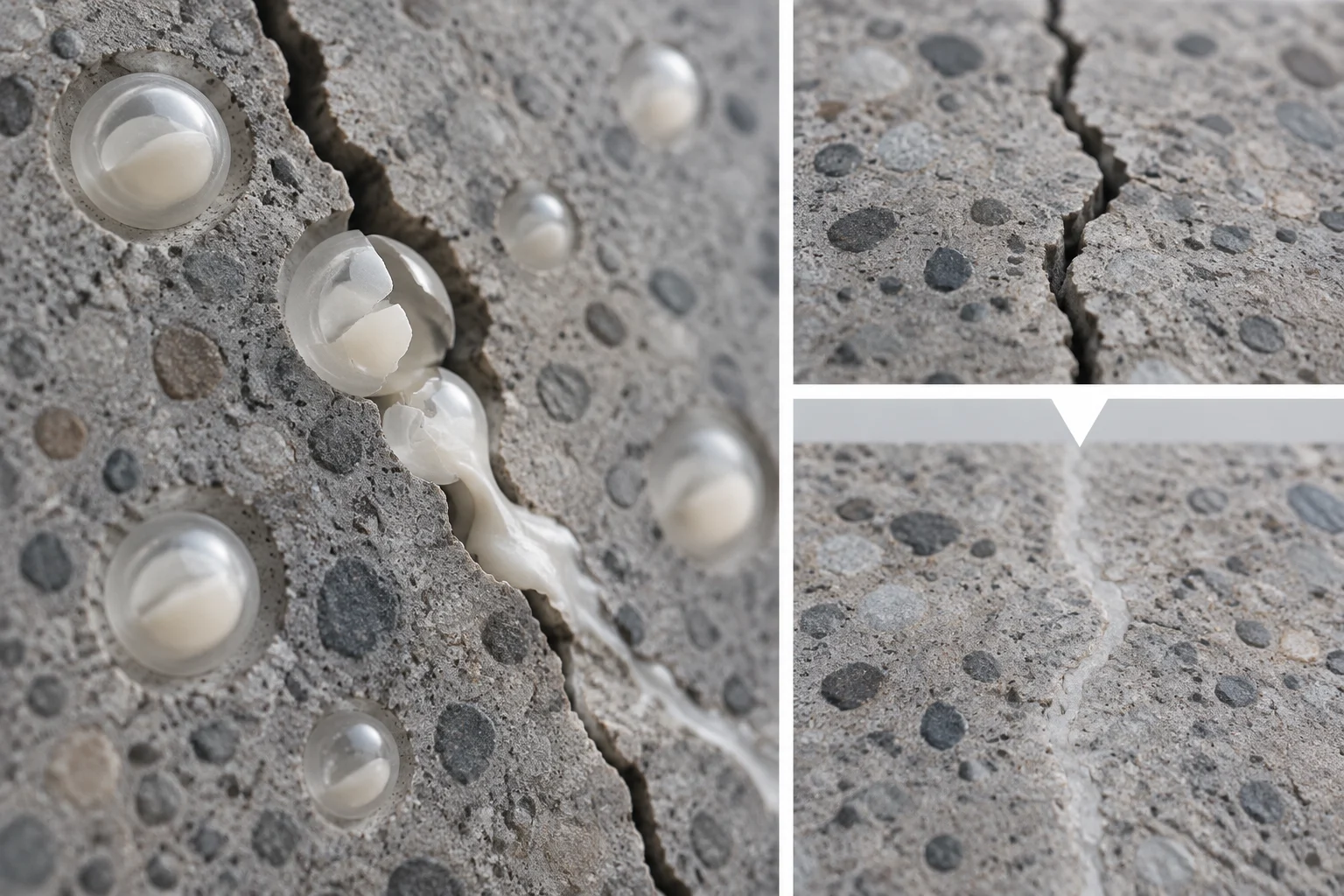
The most studied mechanism uses microcapsules containing a healing agent. When crack propagation breaks the capsule, the agent is released in the damaged area and can initiate repair. A study by the University of Cambridge documented the first large-scale application in the UK, with tests of four complementary technologies in concrete. The practical result depends on the agent reaching the crack and acting in time, before the damage becomes structurally critical.
Capsule density and agent viscosity are, therefore, relevant variables. If there are few capsules, there may be no agent available near the crack; if their properties do not favor displacement, repair may not occur where needed. The formulation must balance these factors with the containing material, so that the healing mechanism integrates into the structure without losing sight of its original function.
In contrast, vascularized systems mimic the human circulatory system through a network of channels that transport the healing agent. Their main potential advantage is allowing multiple repairs at the same point, rather than relying on a localized reserve released only once. But this possibility comes with manufacturing challenges: designing and integrating channels is complex, and there is a risk of blockage, which limits their industrial adoption.
Self-healing polymers face another problem: maintaining both structural integrity and healing capability across a wide temperature range. Thermal response can affect mechanical properties and mechanism efficiency, so it is not enough to demonstrate that a polymer repairs under specific conditions. This balance remains an active area of research in 2026.
Laboratory evidence: fatigue and thermal cycling
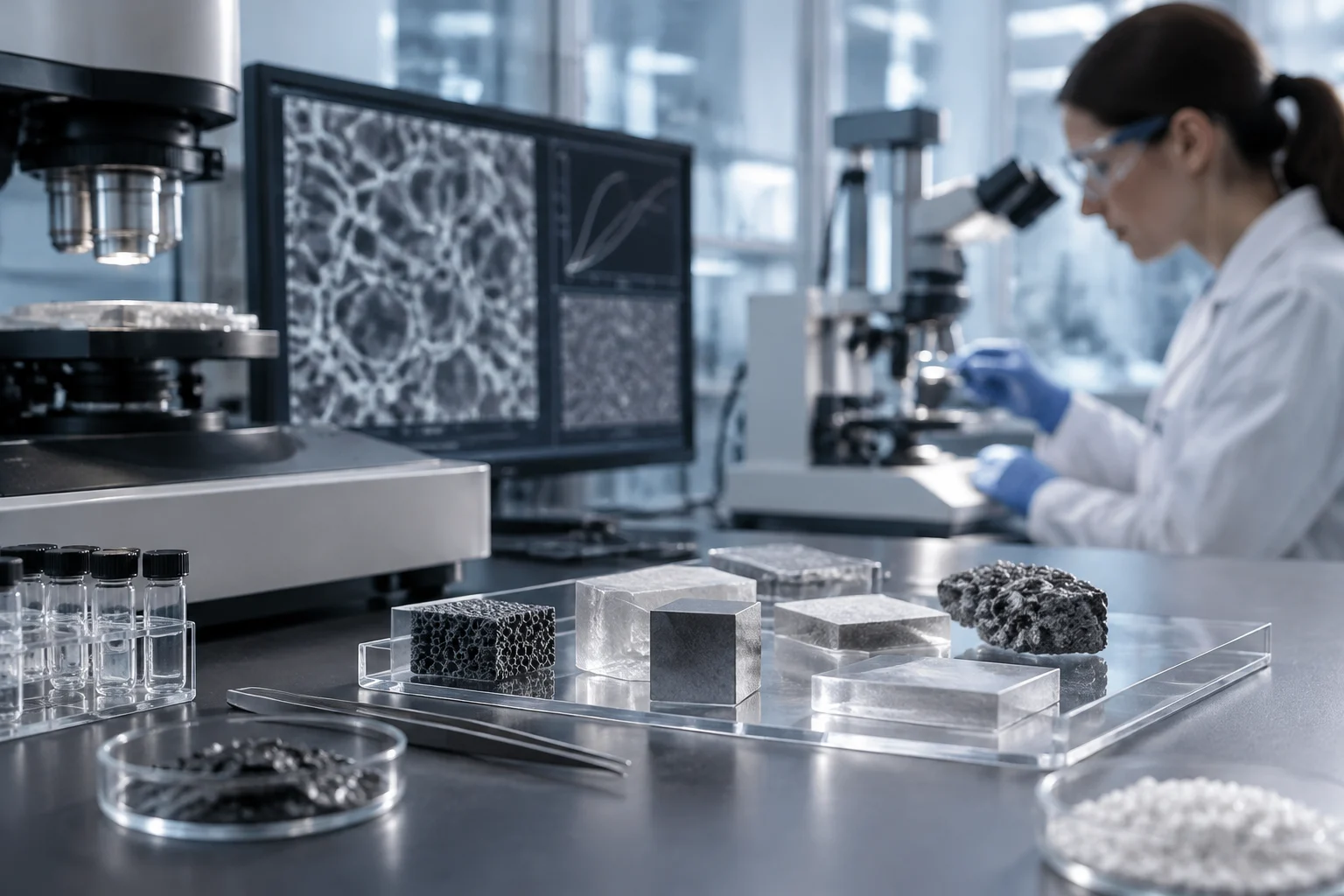
Validation requires rigorous tests of fatigue and tensile strength, because a result obtained after a single damage event does not demonstrate how the material will respond to repeated loads. A 2021 publication in Materials (Basel) analyzed the mechanical properties of cementitious composites with microcapsules and documented partial strength recovery after repair. This is evidence of capability, but not of complete restoration.
Recovery rarely reaches 100% of the original properties. Therefore, engineers must incorporate this difference into their calculations and review safety margins in structural design. Measuring how much is recovered and after how many cycles allows distinguishing between a repair that works in the laboratory and a performance that could serve as a basis for an engineering decision.
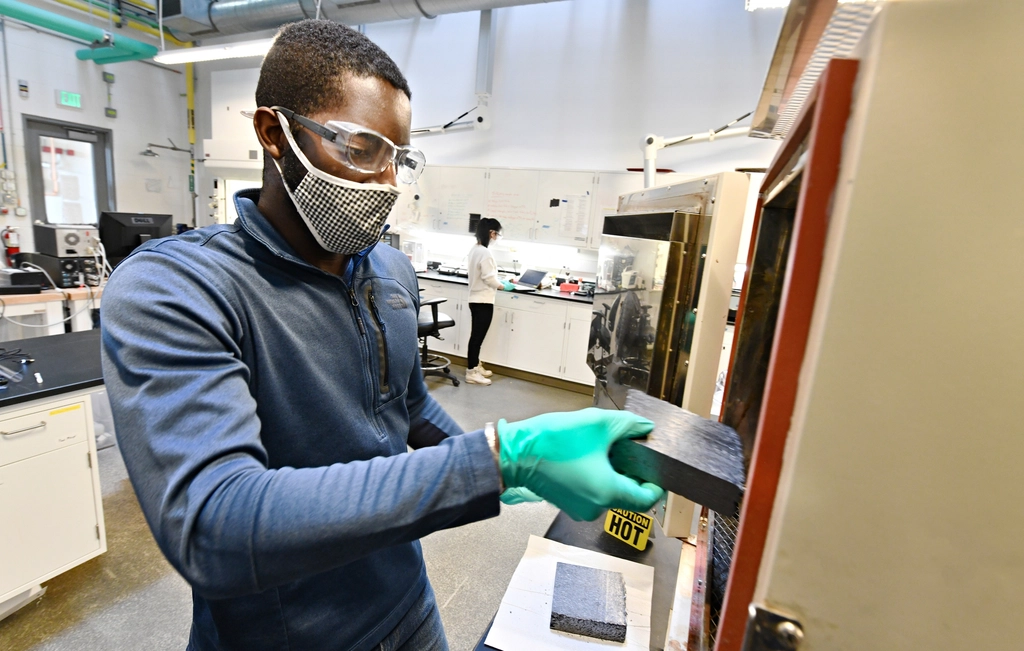
Thermal behavior constitutes another critical factor. In self-healing polymers, thermal stability, healing efficiency, and mechanical properties must be optimized simultaneously; improving one dimension does not guarantee that the others are maintained. Thermal cycling tests allow observing the response by subjecting the material to temperature variations, rather than assessing its performance under an isolated condition.
In applications exposed to hostile environments, such as chemical plants or industrial heat tracing systems, degradation of the healing agent at high temperatures can nullify the repair capability. The limit is not just that the material withstands heat: it must also retain a functional healing mechanism. Therefore, thermal data are part of the usage evaluation and not a separate complement to mechanical tests.
Documented industrial applications
Concrete infrastructure is the sector with the highest early adoption. The UK national initiative, led by the University of Cambridge, culminated in large-scale field tests to evaluate the durability of biomimetic materials under real conditions. Compared to a laboratory test, these trials allow observing the material within a usage environment and assessing its behavior over the expected exposure.
Field tests are important because they help establish performance baselines. With them, infrastructure managers can compare results with the needs of their assets and make more informed decisions about integrating these materials into new projects. Nevertheless, documented tests do not eliminate the need to evaluate each application according to its own conditions.
In the aerospace and energy sectors, self-healing materials are being explored as protective coatings against corrosion and mechanical wear. A 2025 article in Precision Newsletter highlights their potential in heat tracing systems for the oil and gas industries. In these environments, reducing maintenance costs and improving safety are primary objectives, so the possibility of repairing damage is of interest.
However, most of these applications remain in the pilot or demonstration phase and do not yet have full standardization of safety standards. Interest in a possible use must be distinguished from consolidated validation: available tests can guide development, but they do not by themselves equate to uniform industrial criteria.
Verification criteria for buyers and engineers
Before integrating self-healing materials into critical assets, professionals must demand specific metrics of useful life and cost per square meter. Mechanical strength recovery must be expressed as a percentage and measured after a defined number of fatigue cycles. A result after a single damage event does not allow assessing how the material will behave under repeated solicitations.
It is also essential to check the compatibility of the healing agent with the operating environment. The presence of aggressive chemicals or extreme temperature variations can affect both the material and the repairing mechanism. The evaluation must consider these service conditions and not be limited to results obtained in a more favorable test environment.
The traceability of the manufacturing process and the availability of long-term test data have the same relevance. Buyers should request field reports showing the material's stability over several years, rather than relying solely on short-term laboratory results. This allows them to assess not only whether repair occurs, but also whether performance is maintained over time.
The lack of standardization in performance tests continues to be a barrier to mass adoption. While methods are not fully comparable, it is necessary to critically review what was measured, under what conditions, and for how long. Therefore, each project requires exhaustive technical due diligence, adjusted to the asset and its operating environment.
Realistic horizon and manufacturing bottlenecks
In 2026, mass adoption remains limited by manufacturing bottlenecks and process scalability. Producing microcapsules with consistent size and agent release at large scale is technically complex and costly. Consistency matters because manufacturing differences can alter agent availability and, with it, the material's response.
Integration also poses difficulties outside the factory. Incorporating these materials into traditional construction processes may require modifications in site practices, which are not always economically viable. Therefore, the decision does not depend only on the mechanism working, but also on whether it can be manufactured and installed in a manner compatible with the project's usual conditions.
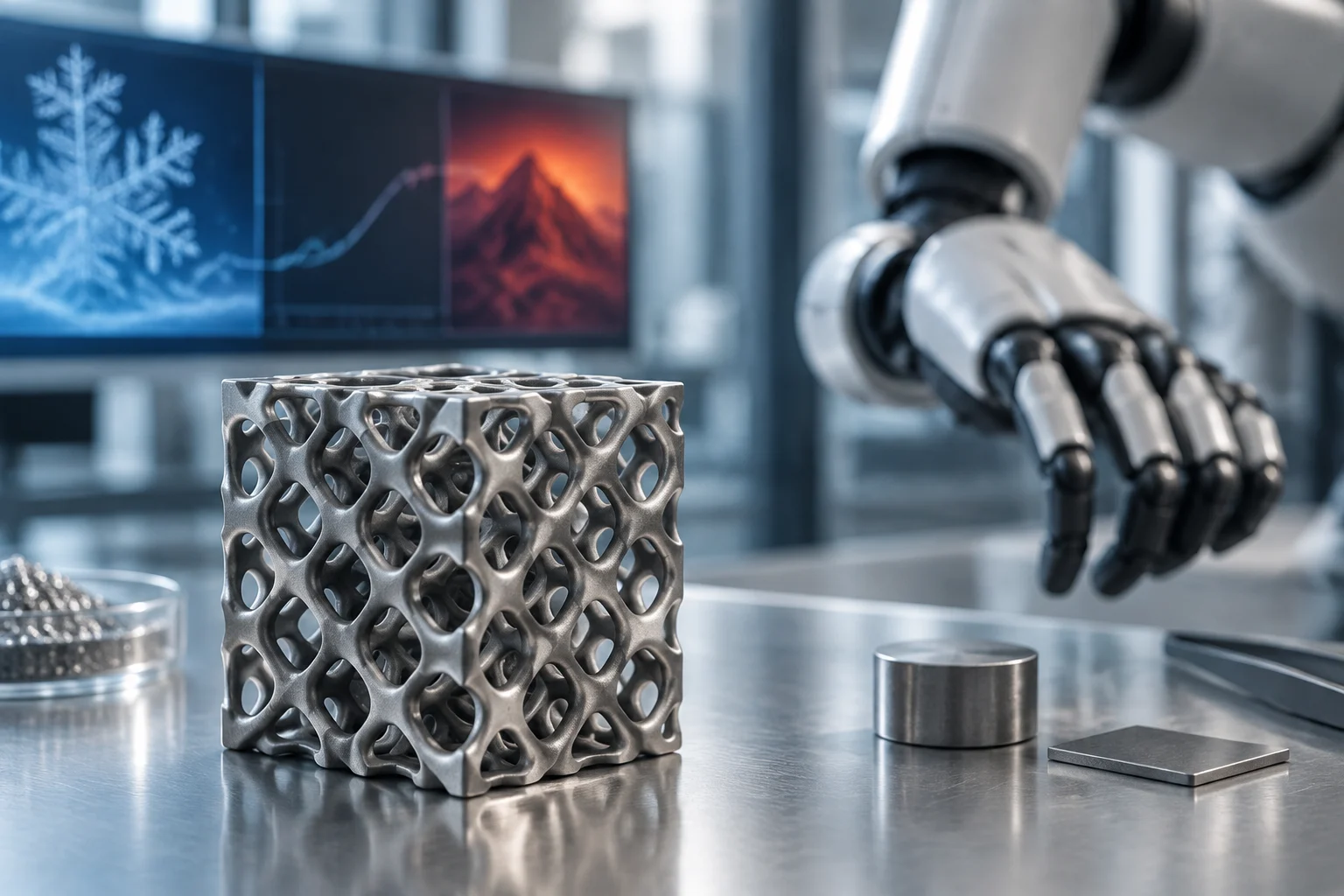
Despite these challenges, the convergence with artificial intelligence and robotics in materials design is accelerating the optimization of formulations. Institutions like IMDEA Materiales use algorithms to explore chemical combinations aimed at maximizing durability and minimizing the use of critical raw materials. Computation helps address a wide space of combinations, although it does not eliminate the need to verify results through tests.
This synergy between materials science and advanced computing suggests that advances in efficiency and cost can reduce the gap between the laboratory and industry. Widespread adoption, however, remains on the horizon: it must be supported by verifiable performance, scalable processes, and adequate safety criteria. The current balance is one of technical progress and potential, but also of limits that buyers and engineers must measure before committing critical assets.