What “refurbished” really means
The word refurbished does not describe one consistent condition. A product may have been opened and returned with almost no use, used as a display model, or repaired before being offered for sale again. The label alone cannot tell you how much it has been used or which components have been replaced.
In Spain, there is no specific legal definition for this category. In practice, OCU says refurbished products are generally treated as second-hand goods; the specific situation depends on how the purchase was made and who the seller is. Ask for a verifiable description, not just a label such as “Grade A,” “very good” or “like new”: these terms need clear criteria to be meaningfully compared.
Before paying, try to get written information about the device’s known origin, the checks performed and any cosmetic or functional defects. Also find out who inspected it and who will deal with problems if they arise. An intermediary or marketplace is not always the contractual seller: check the name shown on the listing, invoice and sale terms.
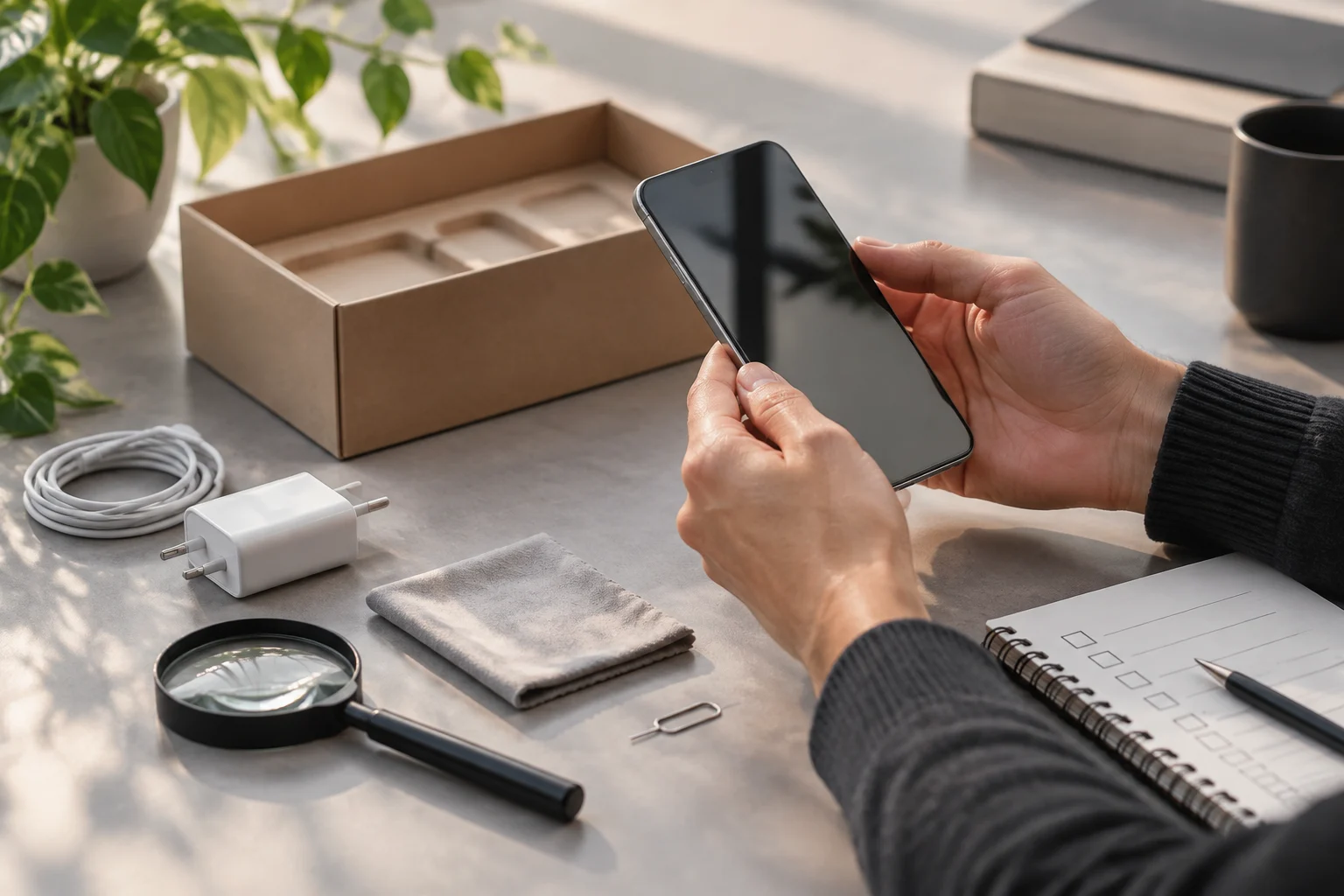
Check the physical condition and the features you use
Cosmetic grade and functionality are separate issues. A scratch may be consistent with a device that works properly; a visually pristine product, by contrast, could have a badly worn battery or a faulty feature. Check that the seller describes visible damage and technical tests separately.
For a phone, ask about the touchscreen, cameras, microphones, speakers, buttons, connectors, biometrics, charging and connectivity. For a laptop, also check the keyboard, trackpad, hinges, ports, Wi-Fi and camera. Tailor your checks to how you plan to use it: for someone who relies on video calls, a faulty camera or microphone matters more than a scuff on the casing.
If you buy online, keep a copy of the product listing and any photos describing the specific unit or its grade. When it arrives, compare it with the listing and check essential functions promptly. If its condition does not match the description or something promised is missing, save photos and messages and contact the seller through a channel that leaves a record.
Battery, repairs and useful life
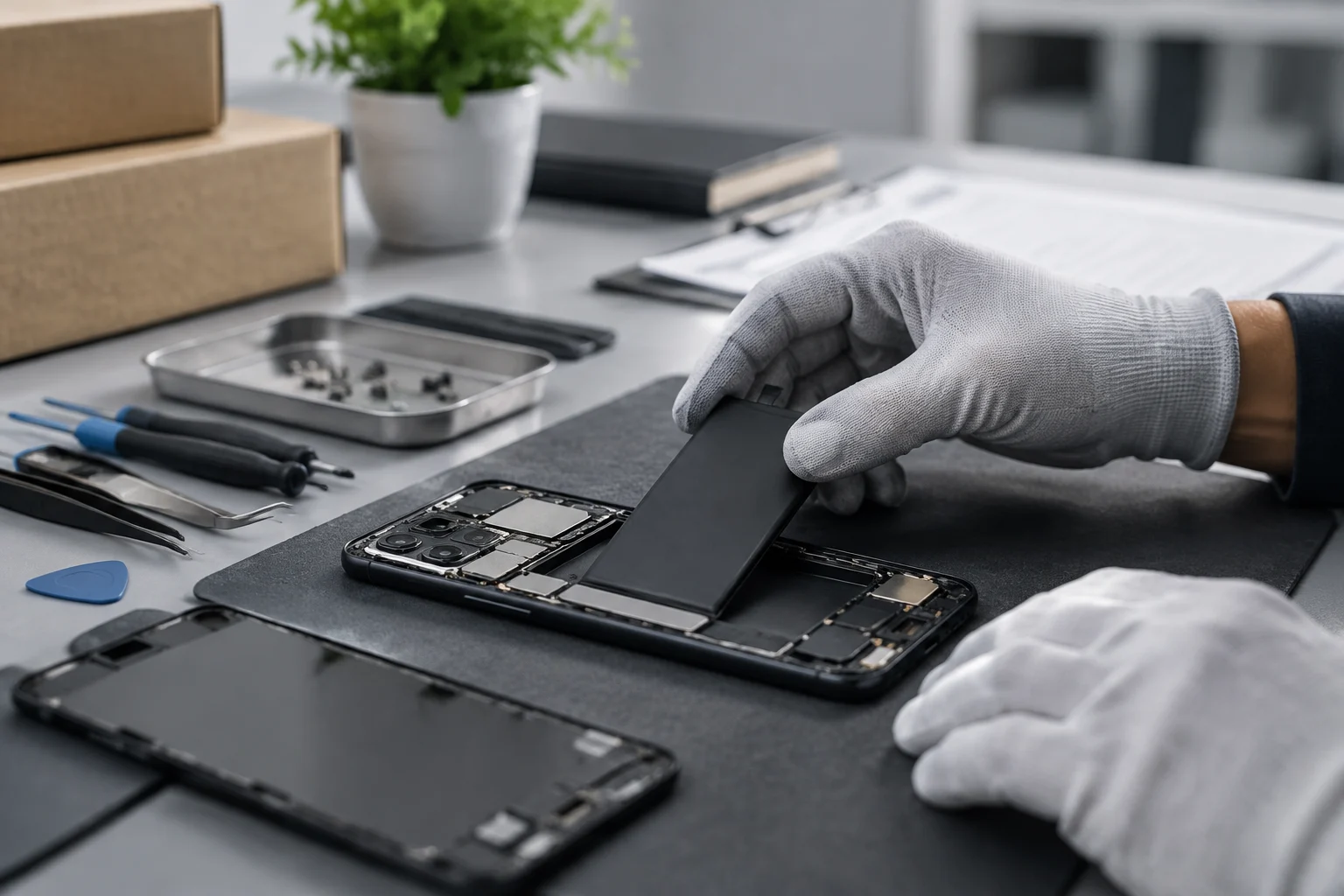
On phones and laptops, the battery can determine how long the device remains practical to use. Ask whether its capacity has been measured, when it was checked and what standard the seller uses to accept or replace a battery. A percentage without a date or method says little; ask for the actual figure for that unit and whether a minimum level is guaranteed.
Ask for the repair history and details of replaced parts, especially if the battery, screen, camera or power components have been changed. It is also worth asking who carried out the work and whether the seller can show that affected functions were tested afterwards. OCU warns that repairs can affect features such as water resistance or durability; do not assume the original protection remains intact.
Find out how much software support the model has left. An older device may still work but stop receiving updates sooner than you need, or become incompatible with future apps. Compare likely useful life, not just today’s price: battery condition, repairability, updates and parts availability may matter more than a small difference in the initial cost.
Accessories, model variant and total price
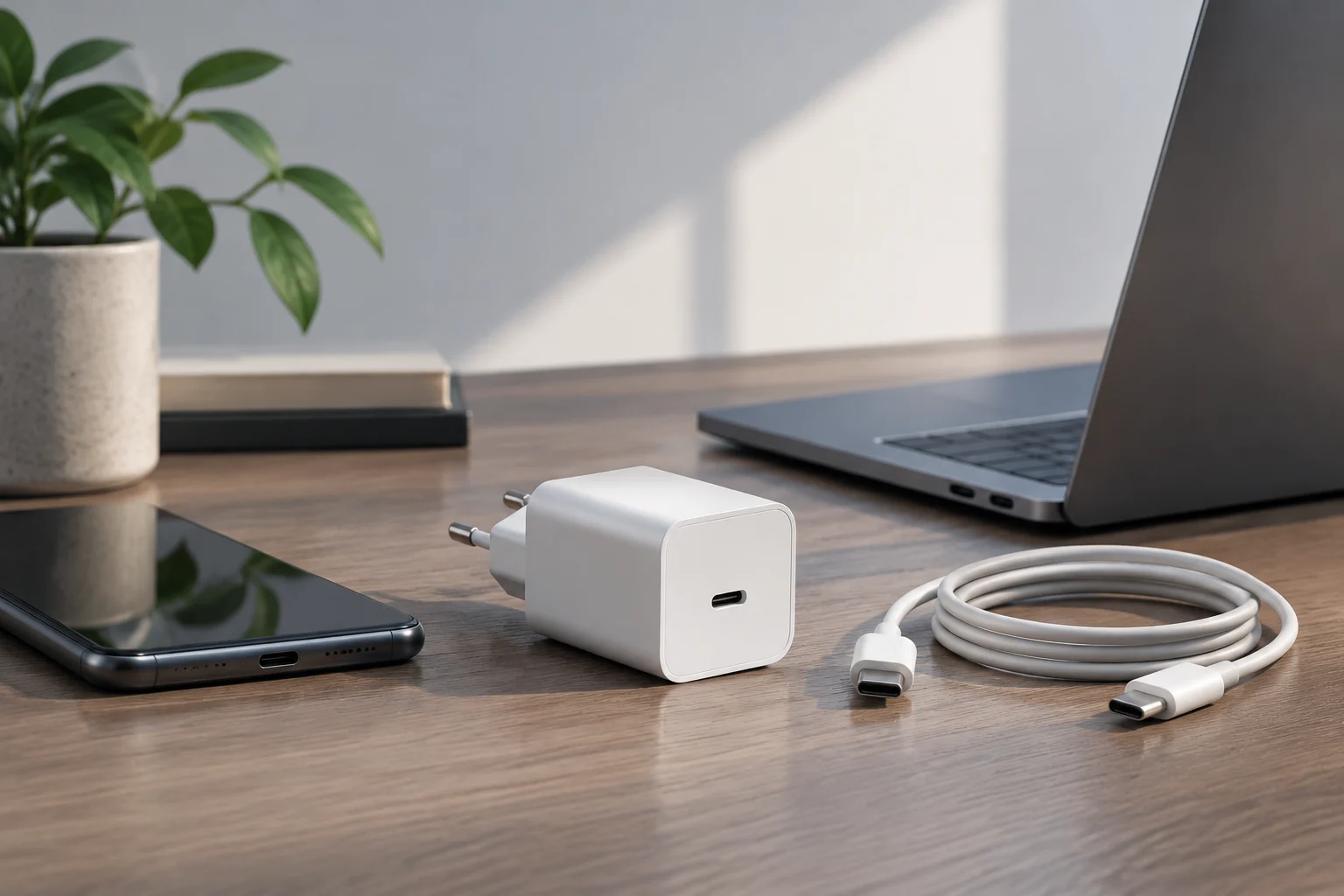
Check exactly what is included: charger, cable, adapters, stylus, keyboard, case or any other accessories you need. A refurbished product may not include items supplied with a new one, and some manufacturer promotions may not apply if the device has already been registered. Work out the cost of completing the setup before comparing offers.
Also confirm the model and variant: storage capacity, memory, size, connectivity and market of origin can affect compatibility or repair options.
Compare the final amount—including shipping and necessary accessories—with the price of a new unit and other refurbished offers for the same model. The discount should reflect the actual condition, not an outdated reference price. If an offer on a marketplace comes from a third-party seller, check who issues the invoice, where returns go and who handles complaints.
The legal guarantee and the right to cancel are different
The legal guarantee covers lack of conformity; it is not insurance against every kind of later damage. For second-hand goods sold by a business, the guarantee period can be agreed, but cannot be less than one year. If no shorter period is agreed, OCU says the general three-year period applies. Check the period agreed for that purchase and keep the listing and invoice.
The position differs when you buy from a private individual: the same consumer-guarantee rules as in a business sale do not apply. Civil-law remedies for hidden defects may apply instead, with different requirements and a six-month period from delivery to bring an action, according to OCU. If in doubt, first establish whether the contract is with a company or a private seller.
For a distance purchase from a professional seller, there is generally a right to cancel within 14 calendar days of receiving the item, without giving a reason. The product must be returned within the relevant period; the consumer may have to pay the direct return shipping costs if told about them in advance. The right to cancel does not replace the guarantee: one lets you change your mind within its time limit, while the other concerns defects or lack of conformity.
In a physical shop, there is generally no automatic right to return a product just because you have changed your mind, although the shop may have a policy allowing it. A faulty device or one that does not match its description is a different matter. Check the terms before paying and keep a copy, because a shop’s policy cannot remove applicable legal rights.
What to do before paying and when the device arrives
Before confirming the purchase, save the listing, condition description, guarantee period, return terms and seller’s details. If an answer about the battery, parts or accessories influenced your decision, ask for it in writing and linked to the specific product. A verifiable promise is more useful than an informal conversation if a disagreement arises later.
When the package arrives, keep the packaging until you have checked the contents and record any shipping damage. Compare the model and accessories with your order and test the main functions without unnecessary delay. If you find a problem, document the condition and contact the seller with a clear explanation, photos and a copy of the invoice.
If the product does not match what was advertised, the professional seller must respond under the applicable conformity rules. Repair or replacement may be the initial remedy; if neither is possible or they are not provided under the required conditions, a price reduction or cancellation of the contract may be available. Make the complaint to the contractual seller and keep proof of postage, delivery and all correspondence.
When to choose another option
A refurbished device can make sense when the discount compensates for the disclosed wear, the product meets your needs and the seller’s terms are clear. If the battery condition is not stated, the repair history is unknown or returns are costly, treat those risks as part of the price rather than minor details.
Compare three options: a refurbished device with a guarantee and clear information; a new product with coverage and accessories included; and a second-hand item sold by a private individual, which may have a different level of protection. You do not always need to choose the option with the most coverage, but you should understand what protection you are giving up and what repairs you might have to pay for.
The practical rule is simple: buy when you can identify the seller, the unit’s condition, the total cost and how to make a complaint. If an essential term—for example, minimum battery capacity, compatibility or returns—has not been confirmed in writing, look for a listing with clearer information or compare another unit before taking on the risk.