The Physical Limit of Air Cooling
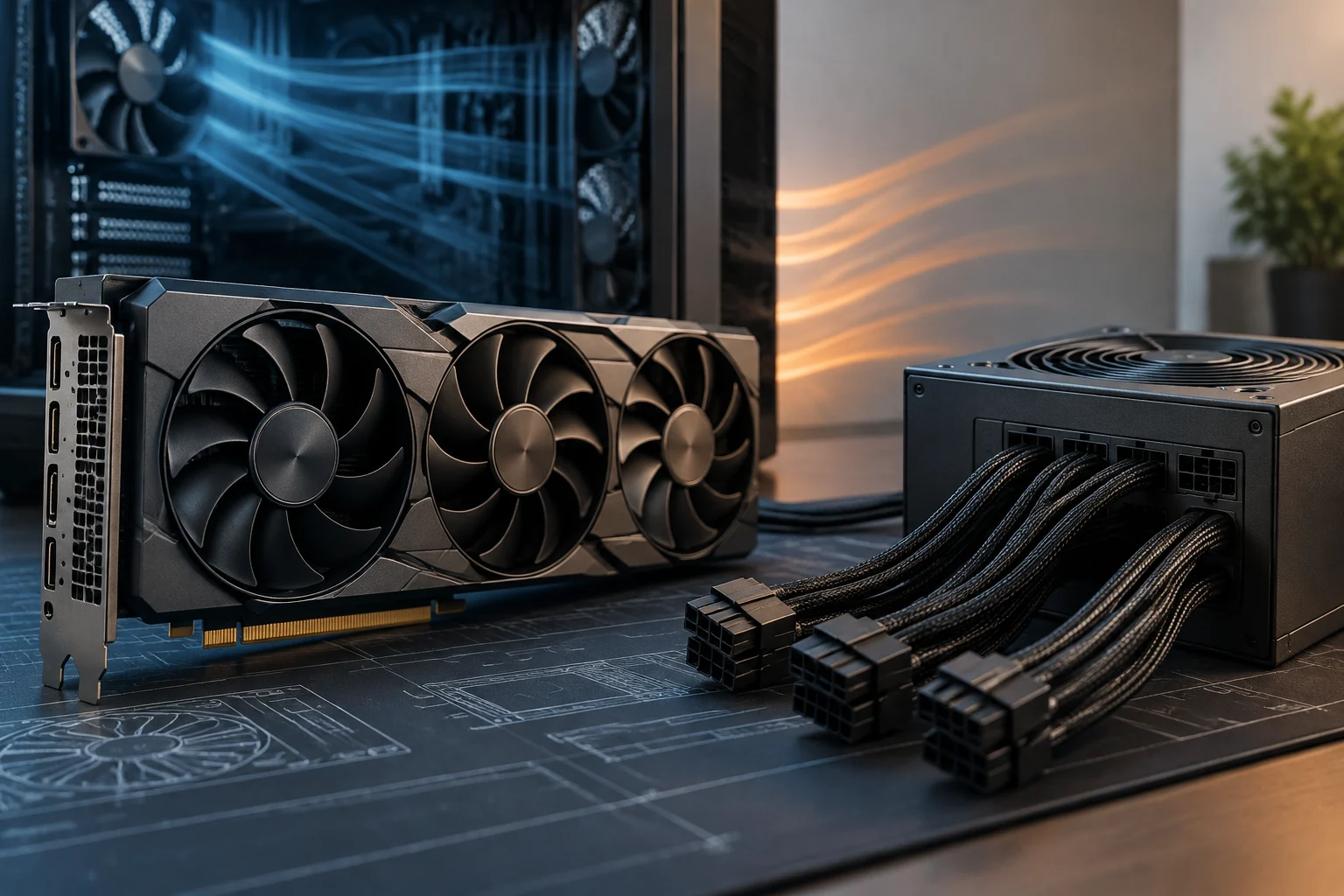
High-density AI workloads are increasing the cooling demands placed on data centers. Conventional air-cooled racks typically reach an upper threshold around 15–25 kW unless supplemented by additional air-handling systems; very high-density AI racks can require substantially more power. At these densities, moving heat with air becomes increasingly difficult, prompting operators to consider liquid cooling alongside other facility-level measures.
Cooling can account for up to 40% of a data center’s electricity consumption, according to NVIDIA. The proportion varies by facility and cooling design. At high rack densities, air-cooling systems may struggle to manage the heat load, but this does not make liquid cooling a universal requirement for every data center.
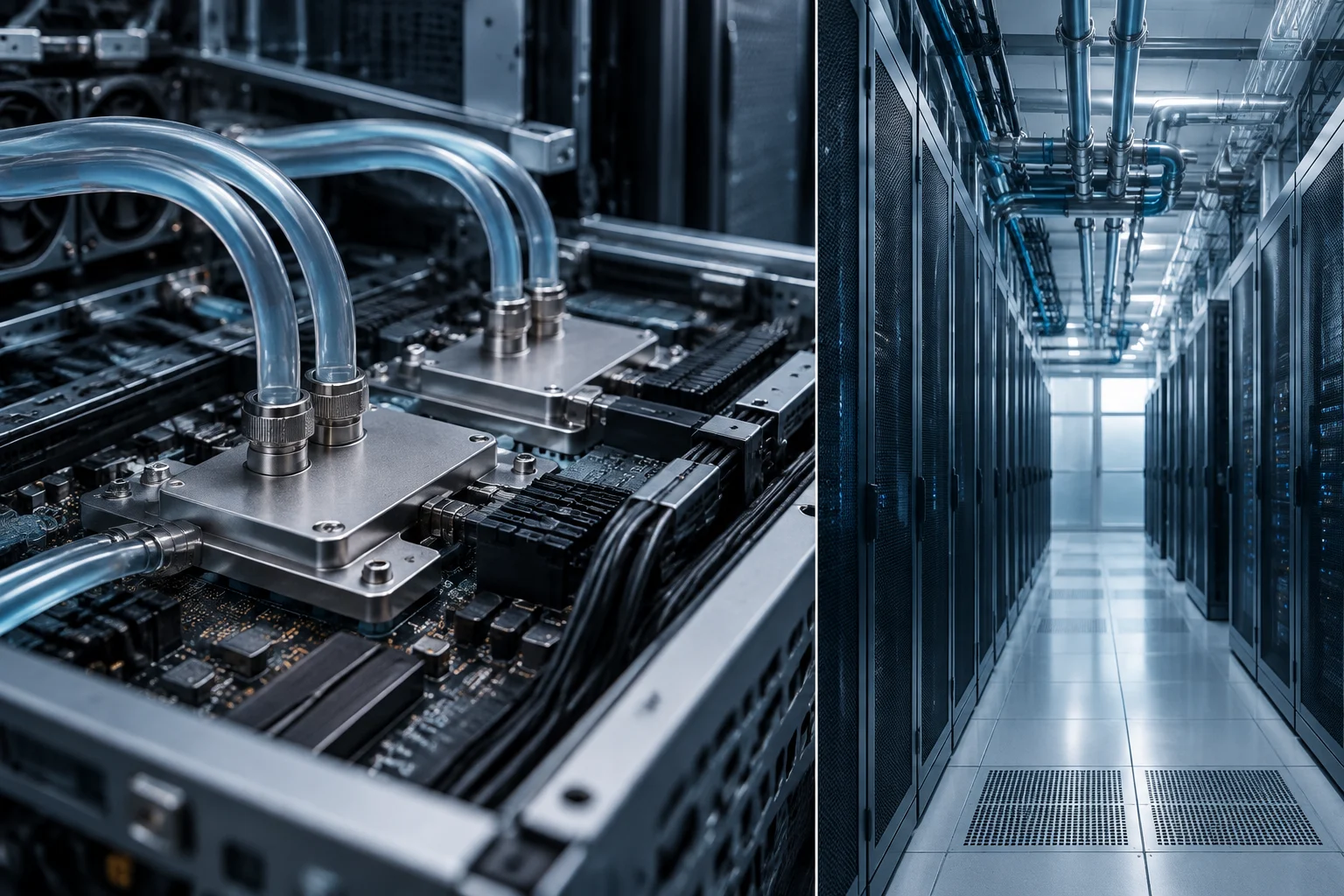
Liquid cooling can transfer heat more effectively than air-based systems; one comparison cited by Lombard Odier, drawing on a Jefferies research paper, says heat transfer can be up to 3,500 times more effective depending on the water volume. In practice, systems such as cold plates capture heat near chips, while their efficiency and effects on fans, energy use, and water consumption depend on the system design and operating conditions.
Microfluidics: The Microsoft Approach
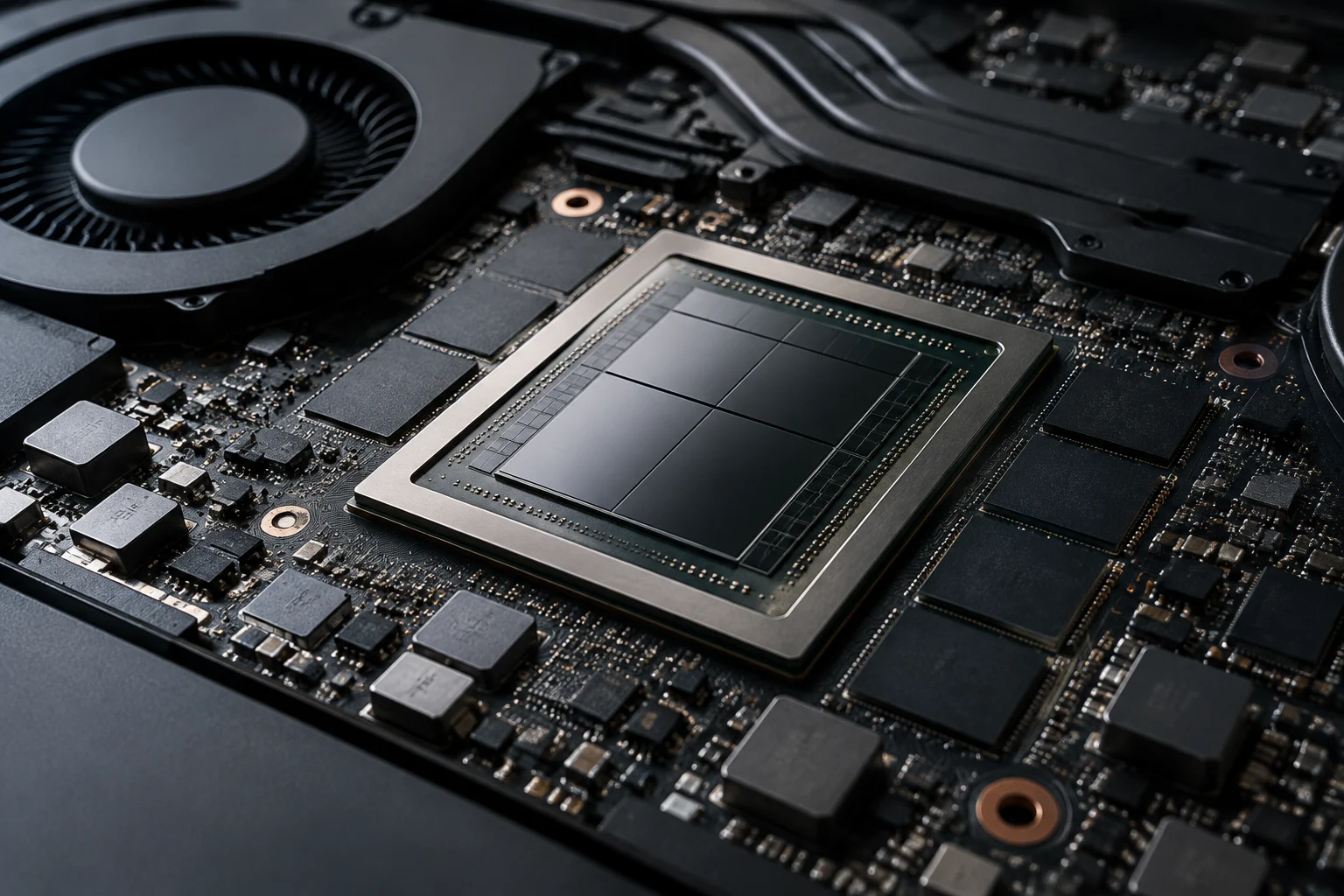
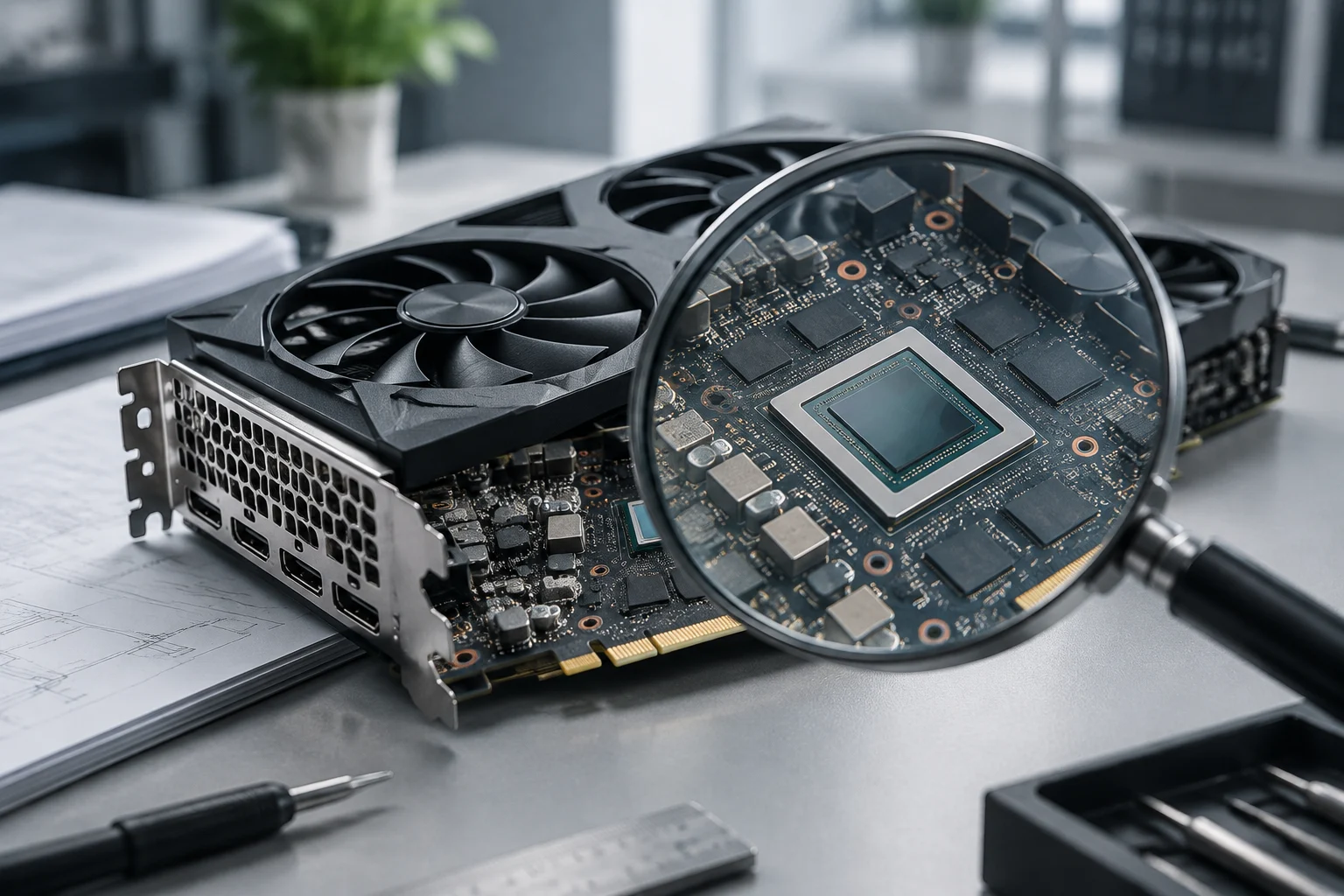
Microsoft is developing a microfluidic cooling technique that uses tiny channels in a chip’s silicon to bring coolant closer to heat-generating areas than conventional cold plates. The approach is intended to remove heat near its source; it is a technology under development, rather than an established, generally available replacement for existing cooling systems.
A report by Profesional Review describes GPU tests in which the technique reduced the maximum temperature rise in the silicon by nearly 65% compared with conventional methods. That reported test result does not establish a general efficiency advantage across systems or show that the technology enables higher or more stable operating frequencies.
The report also describes channel designs inspired by biological patterns, including leaf veins, and says artificial-intelligence algorithms were used to analyze chip heat patterns. These design details are reported by the publication and are not needed to establish the basic principle: microfluidic channels bring coolant close to heat-generating regions.
The AWS Case: Proprietary Engineering for NVIDIA Blackwell
Amazon Web Services (AWS) developed a liquid-cooling system for its deployment of NVIDIA Blackwell GPUs. In July 2025, AWS described its In-Row Heat Exchanger (IRHX), a system developed to fit existing data centers with minimal infrastructure changes. AWS said available third-party options involved trade-offs, including long lead times or concerns about scalability, floor space, and modifications to facilities.
The IRHX consists of three main blocks: a water distribution cabinet, an integrated pumping unit, and in-row finned fan modules. This configuration acts as a coolant distribution unit (CDU) flanked by liquid-to-air (L2A) conversion modules, allowing direct integration into existing racks.
AWS vice president David Brown said some third-party options would have required building liquid-cooled data centers from scratch, with lead times measured in years. AWS said the IRHX was designed to fit its existing data centers; its modular fan-coil units can be added or removed as cooling needs change.
Technical Comparison: DLC vs. Immersion
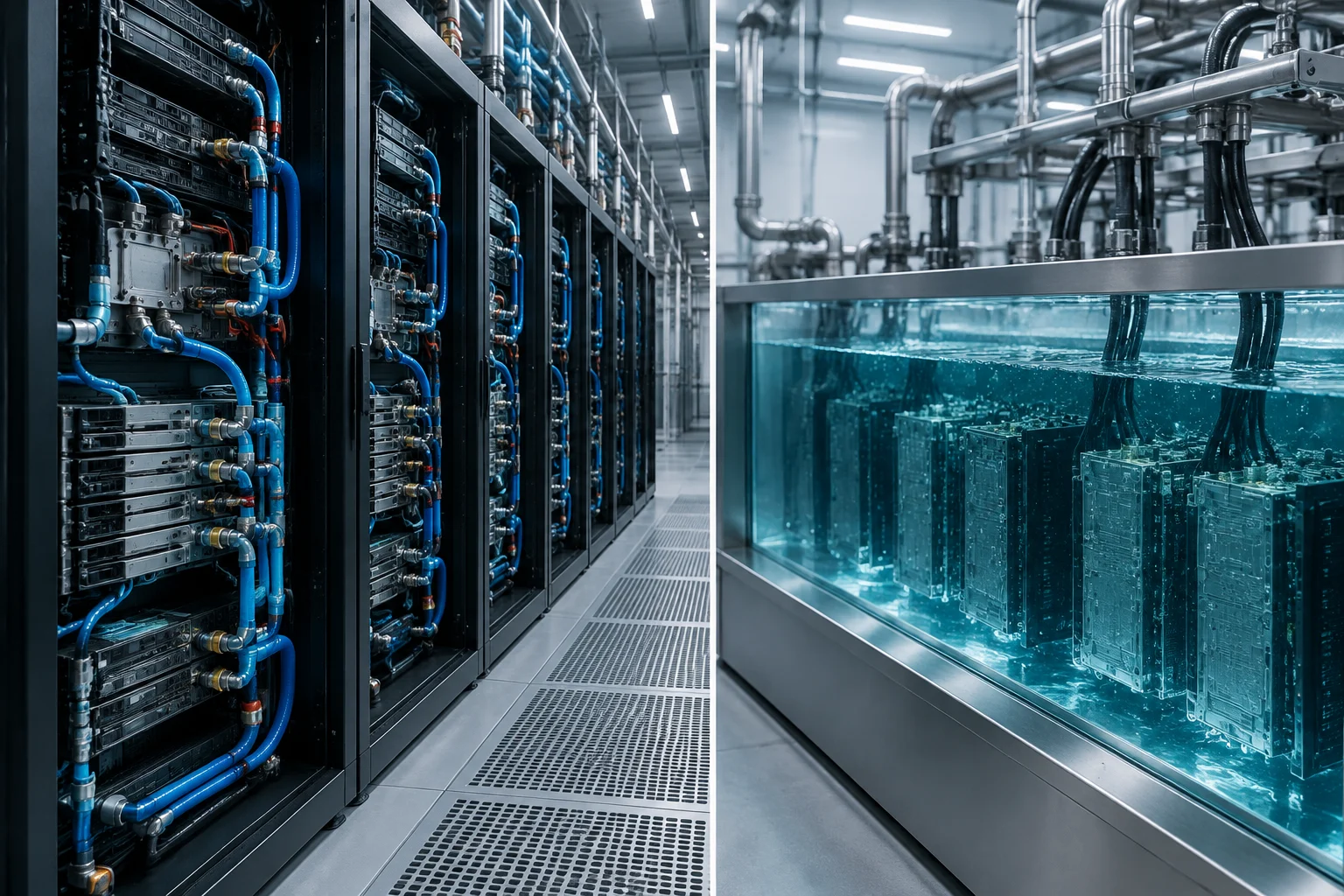
Direct liquid cooling (DLC) uses cold plates to carry heat away from components such as CPUs and GPUs. Immersion cooling instead places servers in a dielectric fluid. These approaches differ in how they transfer heat and in the infrastructure they use.
The choice between direct liquid cooling and immersion depends on the facility and deployment. Immersion systems can involve higher upfront costs, while cold-plate systems are used in a range of liquid-cooling deployments.
One analysis reports that liquid cooling can deliver up to 15% better energy efficiency than air cooling. Actual efficiency and operating costs depend on the system design and facility conditions.
Impact on Data Center Architecture
Liquid-cooling deployments involve planning for coolant distribution and heat rejection. Coolant distribution units (CDUs) and in-row heat exchangers are among the infrastructure options used in data centers.
NVIDIA’s DSX reference design describes an AI-factory system for the Rubin generation in which chips and networking components are liquid-cooled in a closed loop, with no fans in the system. NVIDIA says the design can use coolant at temperatures up to 45°C. Its account describes reduced water use as dependent on system design and climate; in suitable conditions, dry coolers can reject heat with little or no evaporative water use.
Microsoft’s zonal architecture supports different hardware configurations through flexible cooling systems. This approach allows cooling to be organized by zone rather than requiring one uniform system throughout a facility.
Current State and Practical Limitations
Despite the advances, the shift to liquid cooling faces practical limitations. Mordor Intelligence estimates the GPU liquid-cooling market at $8.35 billion in 2026, with a compound annual growth rate of 26.37% through 2031. Lombard Odier reports that liquid cooling can be cost-efficient for racks at 40 kW and above; costs and economics vary by system and facility.
Investment bottlenecks vary by region, driven by supply pressure on key components and uncertainty about the long-term reliability of electrical power. The availability of trained technicians to maintain liquid cooling systems is also a limiting factor in many regions.
Liquid cooling adoption varies by deployment, and the transition may involve hybrid systems alongside existing air-cooled equipment. Supply-chain capacity, component availability and standards harmonization are among the issues that can affect how quickly these systems scale.