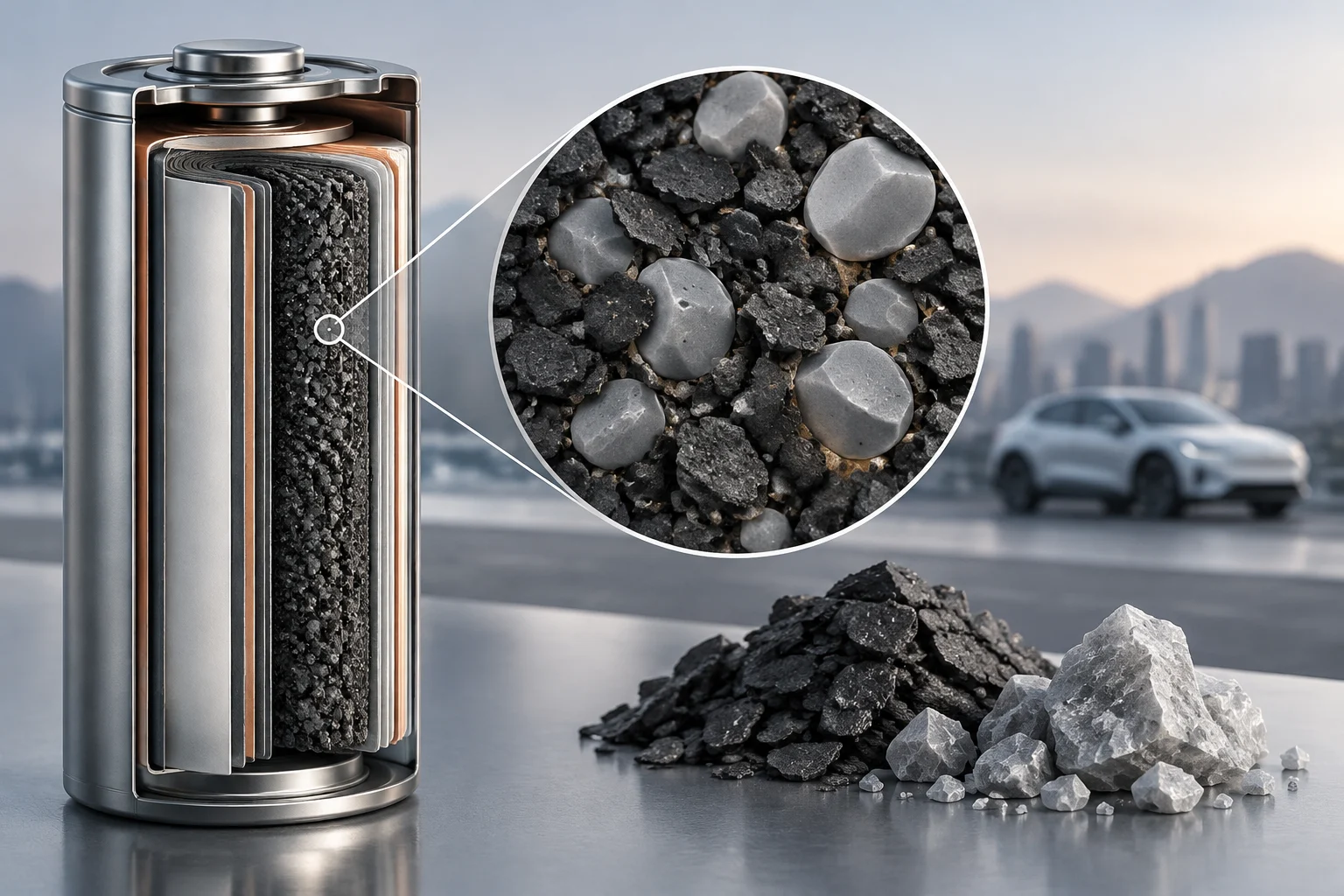
The change is in the anode, not the whole battery
So-called silicon-carbon batteries do not constitute a completely different chemistry from lithium-ion batteries. The change lies in the anode, where silicon is incorporated—usually combined with carbon and, in many designs, with graphite—to store more lithium in the same space. The cathode, the electrolyte, and the rest of the cell remain part of a lithium-ion architecture.
Graphite has become widespread because it is a stable and well-known material, but it has a lower specific capacity than silicon. This difference creates an opportunity: with an anode that stores more lithium, a manufacturer can increase the energy of a similarly sized cell or maintain similar capacity in less space. The practical advantage is not automatic; it depends on how much silicon is used and the complete design of the battery.
The theoretical capacity figure of silicon should not be confused with an equivalent increase in the range or energy density of a commercial cell. The anode is only one part of the battery, and results also depend on the remaining electrodes, packaging, voltage, and control systems. Therefore, higher material capacity does not mean ten times more range in a phone or a vehicle.
The term silicon-carbon also does not describe a universal recipe. Brands and suppliers may use different compositions, silicon percentages, and structures; the label alone does not allow comparing two products. To interpret an improvement, it is advisable to look for cell or device figures and check what unit they describe: capacity, energy, mass density, or volume density.
The promise: more energy in a limited volume
In a phone, internal space is scarce: the battery shares volume with the screen, cameras, speakers, and other components. If the anode allows storing more energy in a comparable volume, the manufacturer can prioritize more battery life without thickening the device, or reduce the battery size to produce a thinner device. These are design decisions, not two benefits that are necessarily obtained at the same time.
The presence of silicon anodes in commercial phones is no longer just a laboratory possibility. A Wired report describes its use in models from manufacturers like Honor, Xiaomi, OnePlus, and Nothing, and explains that the technology has been applied in different ways: some devices seek more capacity, while others use the density to reduce space. The publication also highlights that the exact composition of a cell can be proprietary and is not always published in detail.
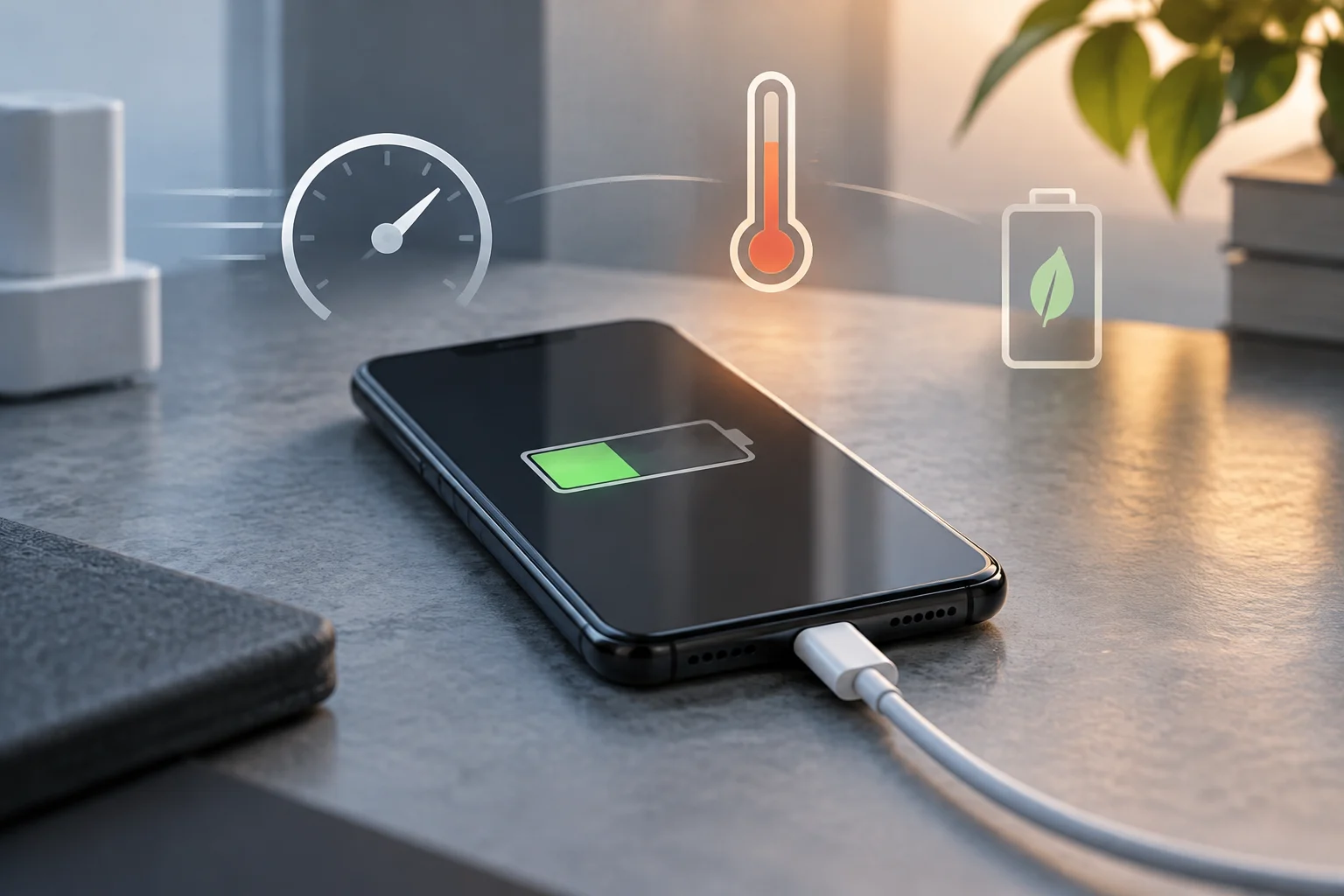
Capacity expressed in mAh is not enough to know how much energy a battery stores if cells with different voltages or architectures are compared. It also does not by itself determine how many hours a phone will last: screen, processor, modem, and software consumption influence battery life. A useful comparison combines capacity, format, and usage tests, rather than treating an isolated figure as a complete measure of performance.
In electric mobility, higher energy density could allow more range with a similarly sized pack, or a smaller pack for a given range. But these results depend on the cell and the vehicle, and are not deduced from the theoretical capacity of silicon.
The bottleneck: expansion and degradation
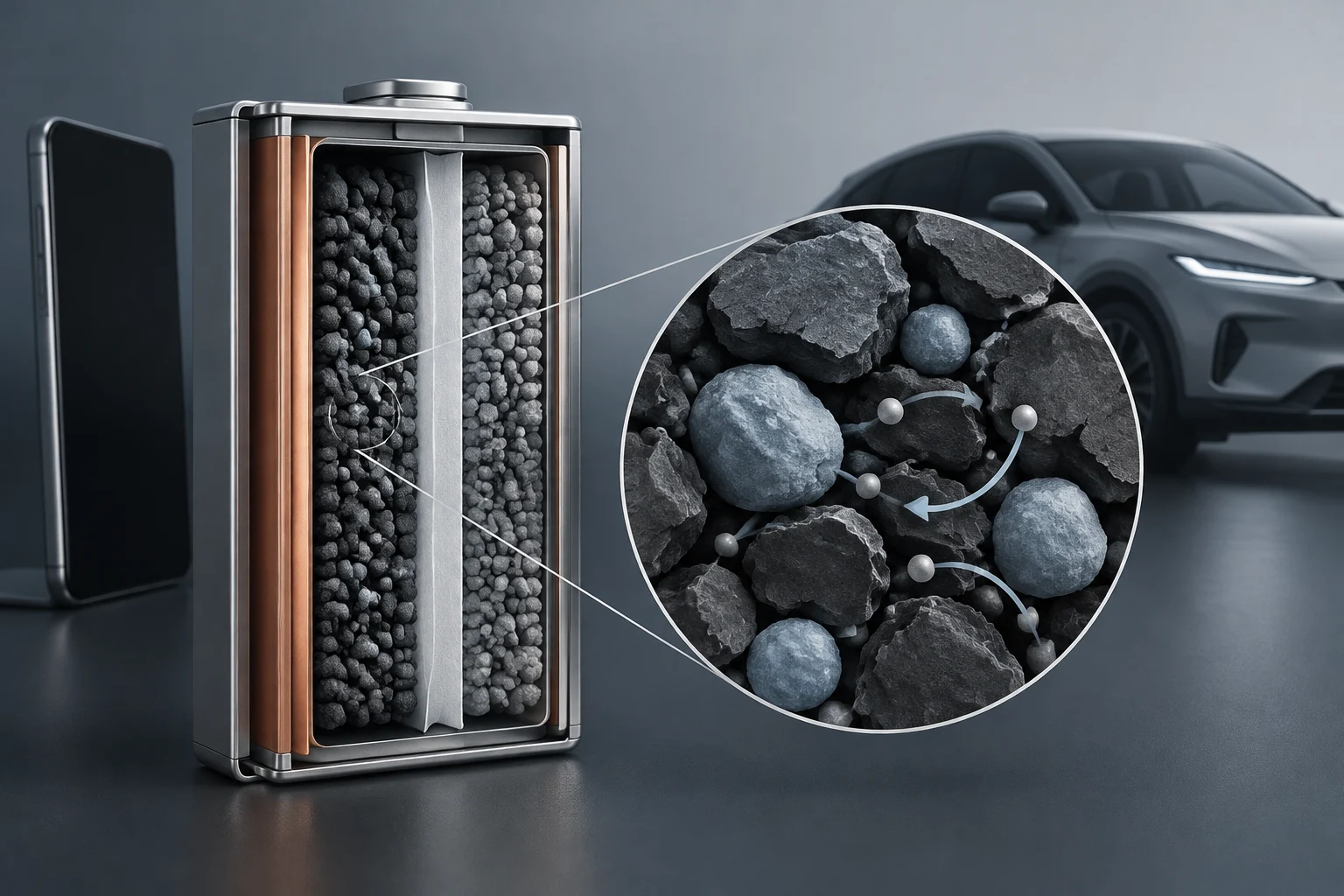
The central problem is that silicon changes volume as it absorbs and releases lithium during charge and discharge cycles. This repeated expansion and contraction can crack particles, alter electrical contacts, and deteriorate the interface between the electrode and the electrolyte. The possible result is capacity loss and, depending on the design, lower stability over time.
To contain this effect, approaches such as carbon matrices, porous particles, coatings, and structures that leave room to accommodate expansion are used. Material suppliers describe these strategies as ways to keep particles connected and improve anode stability. Their existence demonstrates that the challenge is addressed through materials engineering; it does not by itself prove a specific lifespan for all cells incorporating silicon.
Cycle performance must be evaluated in a complete cell and under defined conditions: temperature, charging speed, depth of discharge, and capacity retention criteria. A laboratory result with an electrode does not necessarily equate to a production battery, and a company's specification does not replace an independent comparison with the same protocol. This distinction is especially important when valuing general claims about durability.
Density, cost, and longevity pose design trade-offs. Increasing the amount of silicon can increase storage potential, but makes controlling expansion and stability more demanding. There is no single figure that describes the entire category: composition and design matter more than the commercial name.
Commercialization: phones and automotive applications
In consumer electronics, the commercial use of silicon anodes is documented in phones from various brands. Wired coverage mentions devices from Honor, Xiaomi, OnePlus, and Nothing, and notes that the interest combines two objectives: increasing capacity or maintaining similar battery life in a thinner body. Specific availability, region, and composition of each model must be verified separately; the adoption by one brand does not mean all its phones use the same technology.
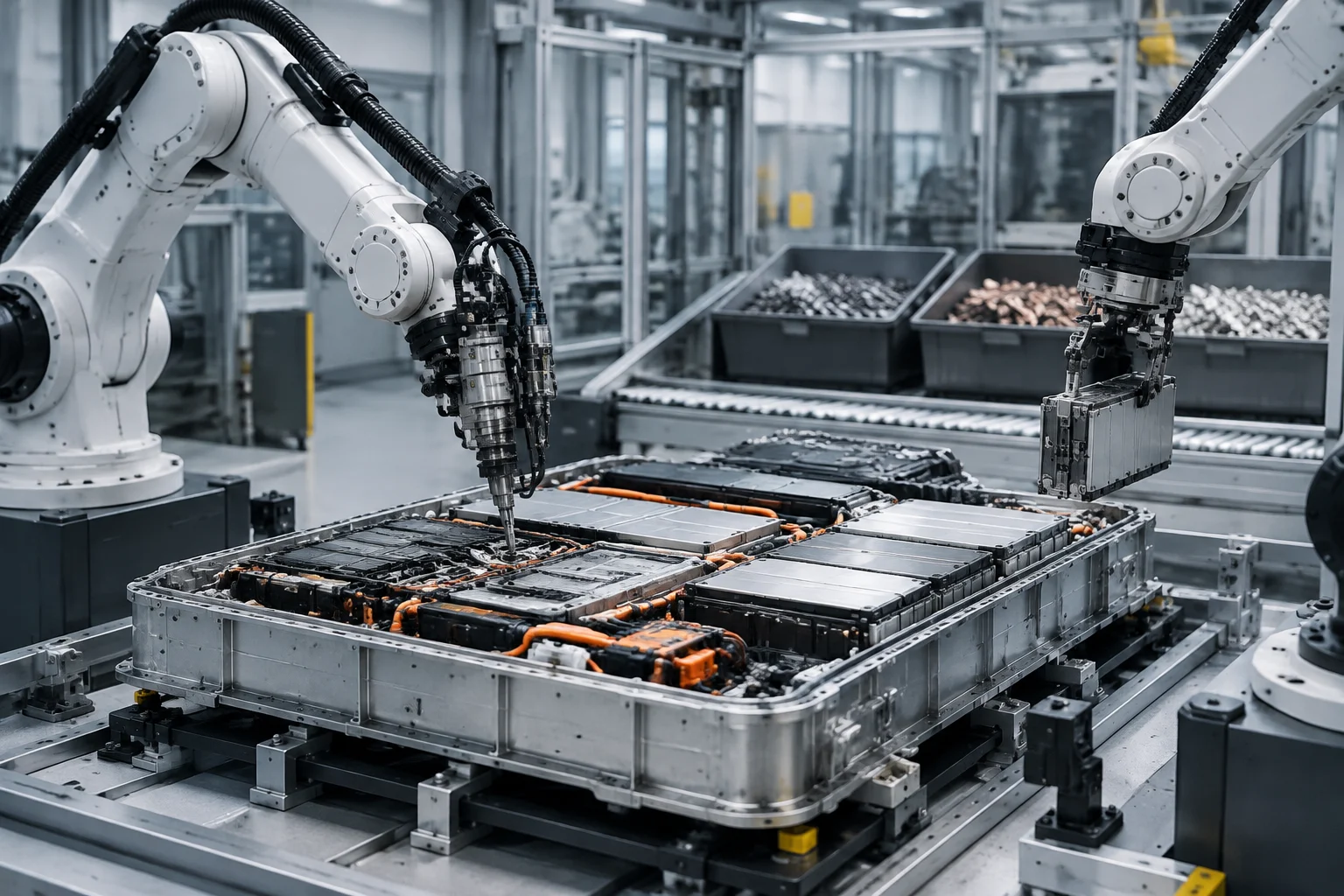
In electric vehicles, it is important to distinguish between anode material, validated cell, and battery installed in a vehicle. A company can manufacture or expand material production without that meaning the cell is being produced at mass scale or that a vehicle is already available with it. According to electrive, Sila obtained funding in 2026 to expand the production of its Titan Silicon material in Moses Lake, Washington; the publication also reported on supply plans for automotive applications and announced customers, including Mercedes-Benz.
The Sila case illustrates the industrial step: producing material at scale is a relevant condition for supply, but it does not by itself constitute public proof of a vehicle battery's performance over its entire lifespan. A plant's nominal capacity, future expansion goals, and final adoption by a manufacturer are distinct data points. Material scale does not equate to full vehicle commercialization.
Therefore, the claim that the technology is already "ready" requires specifying for which use. In phones, there are commercial products incorporating silicon anodes; in automotive, supplier announcements and production plans show an industrial route, while cell validation and their integration into vehicles remain separate milestones. Small device results are not enough to extrapolate durability or costs to traction packs.
Costs, supply chain, and comparison with other chemistries
Partial replacement of graphite does not eliminate dependence on lithium-ion manufacturing or solve battery costs by itself. Economic viability depends on material price and processing, manufacturing yield, the amount of silicon used, and the cost of controlling its effects on the cell. Market comparisons that assign a fixed premium to the entire technology should be read with caution: anodes and processes are not uniform.
Graphite will remain relevant because silicon is usually integrated as part of a composite anode, not necessarily as a total replacement. This combination allows retaining some of the known properties of graphite while incorporating silicon to increase potential capacity. The transition, therefore, can be gradual: changes in the proportion and design of the anode within an established lithium-ion platform.
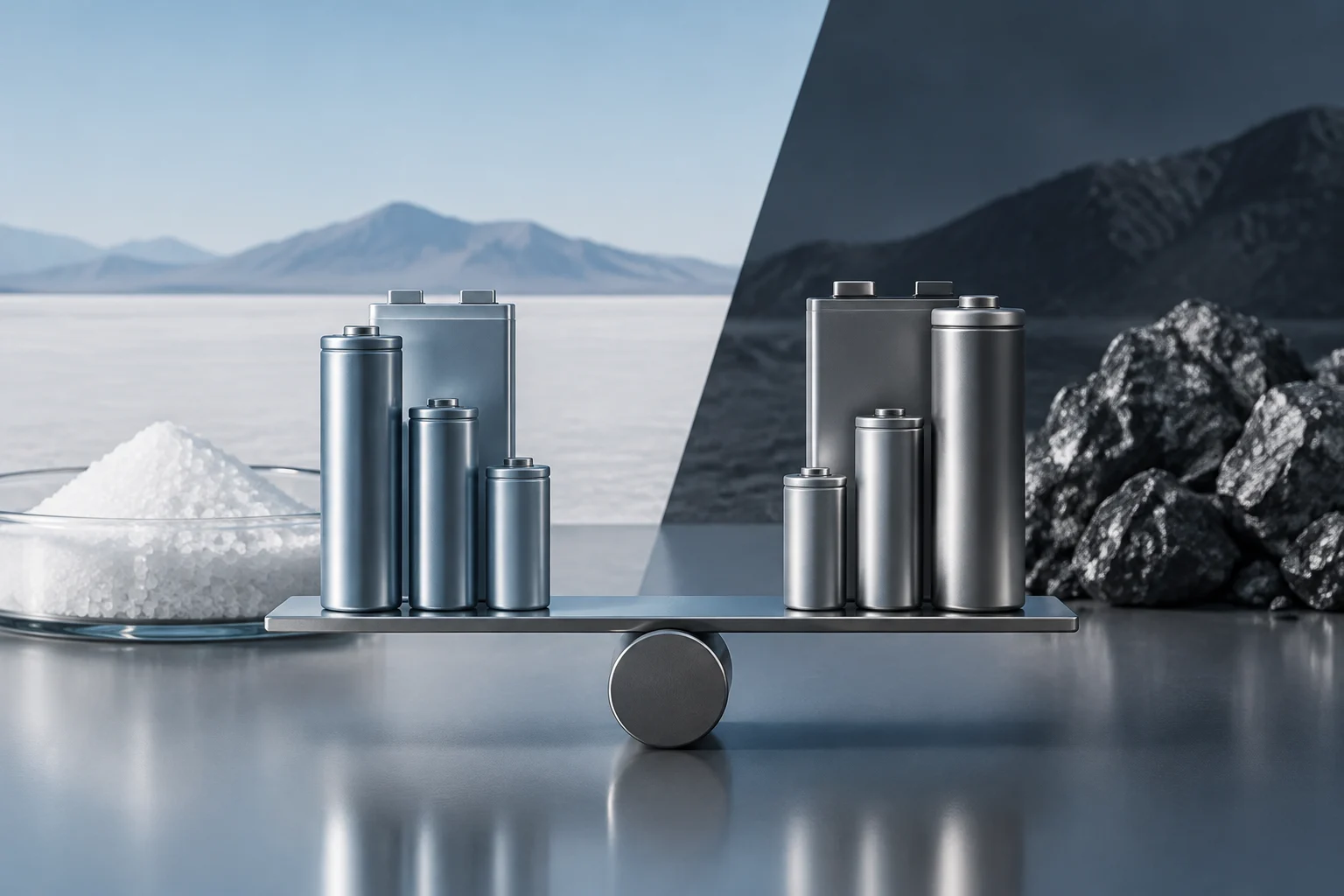
The silicon-carbon anode is also not synonymous with a solid-state battery. The former modifies the anode material; the latter term refers to an architecture that replaces the liquid electrolyte with a solid one or another solid configuration. They are different technological lines and may have different calendars, manufacturing challenges, and promises. Comparing them as if they were a single alternative confuses which component changes.
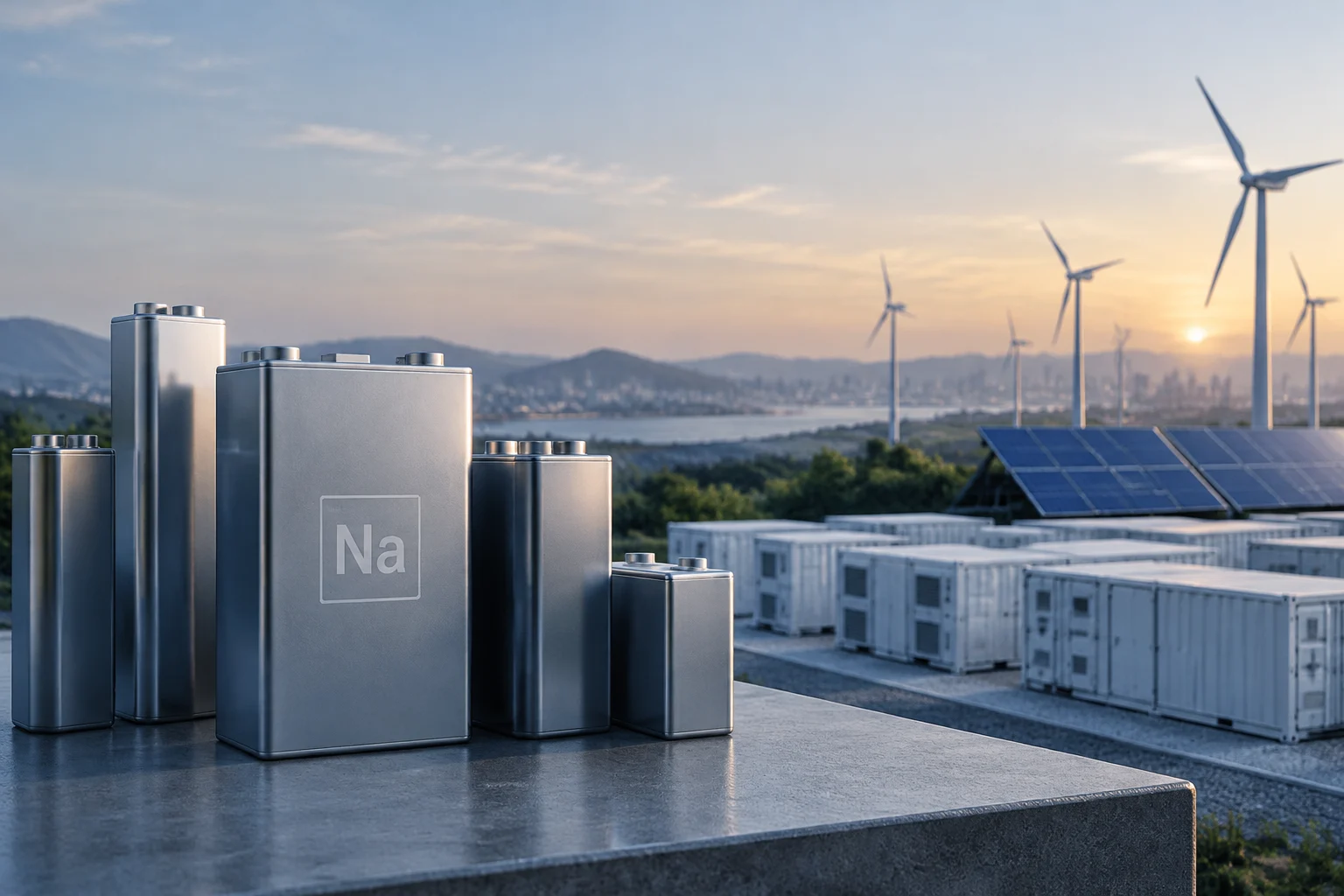
Sodium-ion batteries also belong to another route: they change the storage chemistry and the ion that carries the charge. They may compete in certain uses, but it is incorrect to conclude that one option will displace the others by a theoretical figure. Industrial choice depends on energy, cost, power, lifespan, materials, and production scale requirements.
What to look for before accepting a performance promise
For consumers and professionals, the useful question is not just whether a phone or cell uses silicon-carbon, but what specific improvement the product offers. If the goal is battery life, comparable usage tests are needed; if the goal is thinness, the device size matters along with its capacity and duration; if it is a vehicle, certified range, warranty, and charging conditions must be considered.
A practical review can separate four elements:
- Composition: if silicon in the anode is reported and, when possible, its proportion or configuration.
- Result: if the indicated improvement corresponds to the cell, the pack, or the complete device.
- Durability: what cycle conditions and capacity retention support the figure.
- Commercial status: if it talks about a sample, a pilot, planned production capacity, or an available product.
For a phone, it is advisable to prioritize battery life tests and capacity data of the specific model over the chemical label. For an electric vehicle, the manufacturer's datasheet, battery warranty, and charging characteristics are more useful than a general promise about the anode material. In both cases, the chemistry is a piece of the product, not a complete prediction of its performance.
The current balance is concrete: silicon anodes offer a way to increase stored energy in a limited space and are already used in certain phones. Silicon expansion, durability, cost, and large-scale production condition how far the improvement can extend, especially in automotive. It is not an instant replacement of lithium-ion, but an evolution of its materials that must be judged by cell, product, and application.