The event context
The Xbox Developer Direct in January 2026 marked the 25th anniversary of the first Xbox. The event was designed to restore confidence after the August price increase, offering a real look at upcoming releases and Microsoft's strategy in hardware and subscription. The anniversary provided a framework to present game announcements alongside an explanation of the platform's general direction: it was not just about remembering the brand's history, but showing what its audience can expect next.
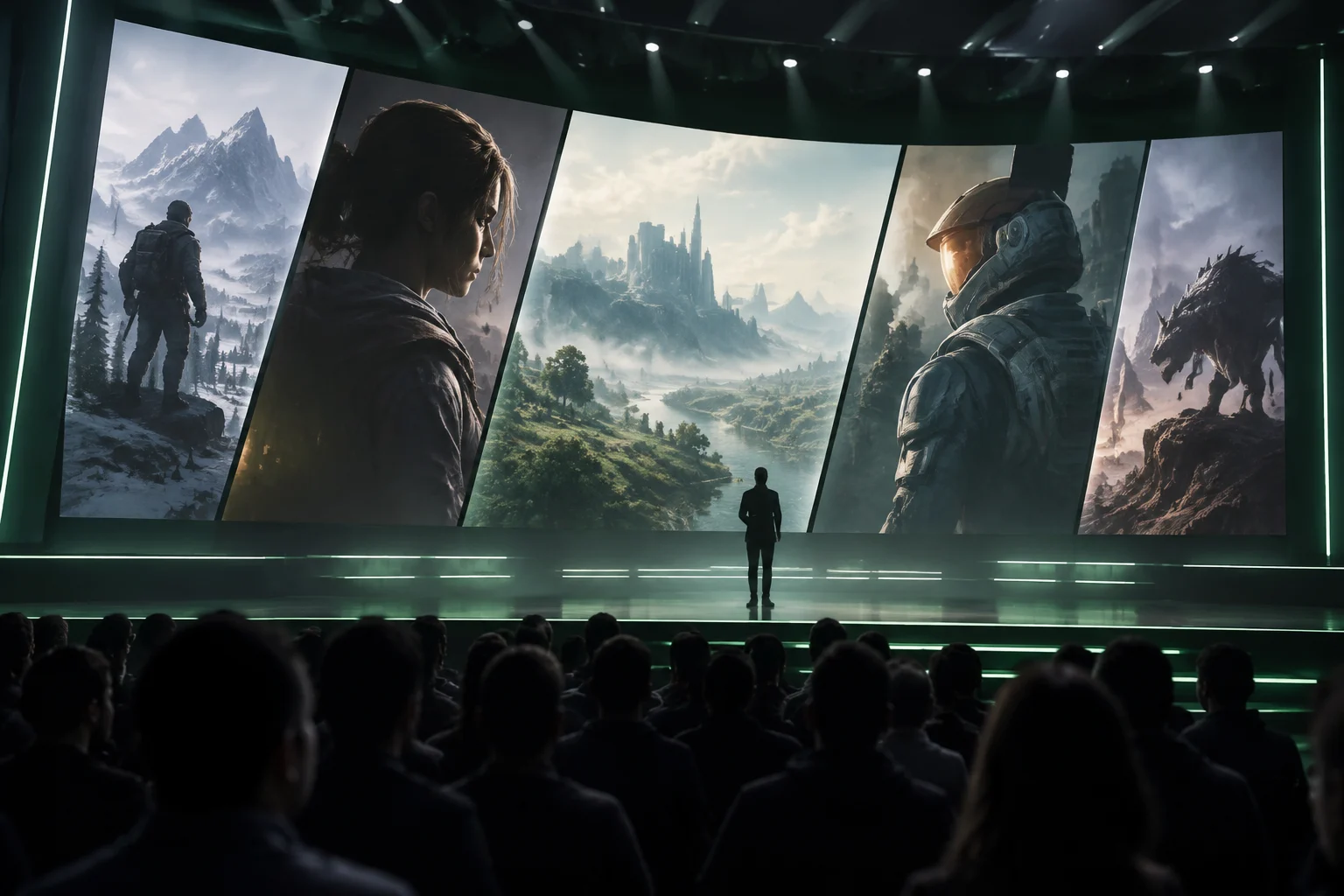
The event, streamed in 4K/60 fps on YouTube and Twitch, lasted between 45 and 60 minutes. It focused on Forza Horizon 6, Fable, and Beast of Reincarnation, with a fourth surprise title that turned out to be Kiln by Double Fine. This combination highlighted both recognizable franchises and distinct proposals, while the unexpected announcement gave the program an additional closing that was not among the anticipated main titles.
The goal was to demonstrate that the Xbox Series X|S line remains competitive, despite price adjustments, and to reinforce the role of Game Pass as a revenue engine. The message linked catalog and strategy: releases help attract players, while the subscription service occupies a central place in how to sustain and monetize that catalog. Thus, the event also served as a response to doubts that price changes might generate.
Confirmed titles and dates
Forza Horizon 6 launched on May 19 on PC via Steam, Xbox Series X|S, Xbox for PC, and Cloud; the PS5 version arrives later in the same year. Availability on multiple platforms expands the ways to access the game, while the later arrival on PS5 distinguishes that version from the platforms included in the indicated launch. The specific date is one of the clearest data points from the announcement for those waiting to organize their purchase or start playing.
Fable returned with a 2027 entry that includes exclusive content for Game Pass from its launch. The mention of exclusive content from day one connects the franchise's return with the subscription strategy: service users will have access to that content from the premiere. The 2027 date places the launch in a horizon later than the titles arriving in 2026, so the announcement also offers a reference for medium-term expectations.
Beast of Reincarnation, developed by Game Freak, was announced as a multiplatform title with immediate availability on Game Pass. Its multiplatform nature distinguishes it from a presentation limited to a single environment, and immediate availability on the service integrates it directly into the offer for its subscribers. The announcement combines reach and access: the game is presented for multiple platforms and, at the same time, as part of the Game Pass catalog.
The surprise game Kiln (Double Fine) was confirmed on the same day as the event and will have its own launch date yet to be defined. Unlike announcements that include a specific date or window, in this case the pending data is when it can be played. The confirmation identifies the title and its developer, but does not yet allow establishing a launch calendar; therefore, its announcement completes the set of four games without clearing all doubts about availability.
Game Pass: Catalog and prices
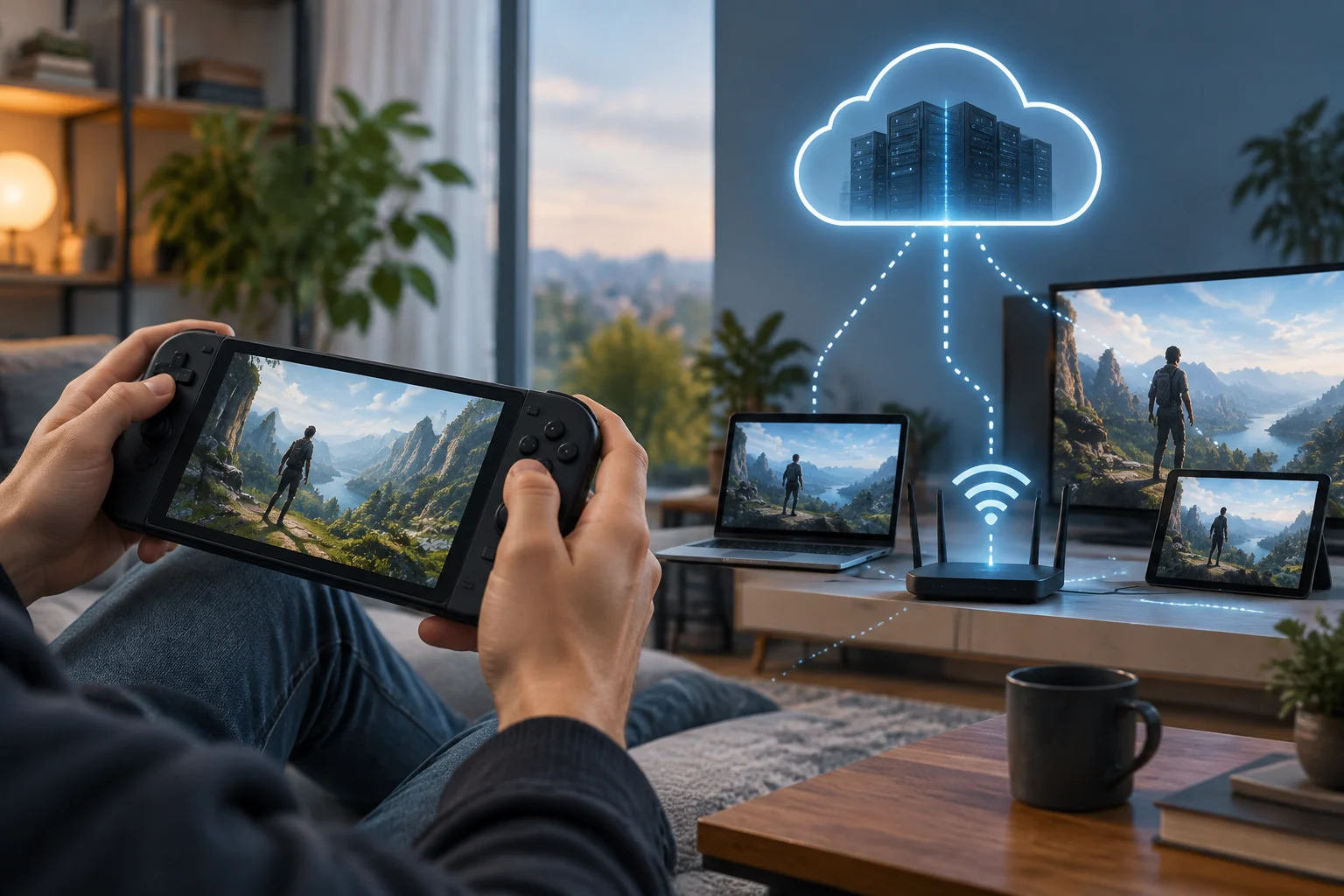
Following the 2025 restructuring, Game Pass is divided into Essential, Premium, and Ultimate. The plans offer access to more than 400 titles, including Xbox One, Series X|S, and PC exclusives. The division into three levels organizes the service into differentiated options, while the breadth of the catalog gathers games associated with different console generations and PC. For the user, both aspects describe how the subscription is structured and what type of library it comprises.
The new prices, published in October 2026, maintain the value of the essential subscription while increasing the benefits of the Premium plan with exclusive content and the Ultimate option that includes Xbox Game Pass for PC and Cloud. The information sets a contrast between the levels: Essential retains the indicated value for that subscription, while Premium adds benefits and Ultimate incorporates access to PC and Cloud. The offer is not presented as uniform; each plan has features that allow distinguishing its proposal within the service.
The service remains a strategic pillar, as it allows Microsoft to monetize titles without relying exclusively on unit sales. Instead of linking revenue only to each individual purchase, the subscription offers another way to access the catalog and generate income. That role explains its relevance in the strategy described for Xbox: Game Pass does not appear as a secondary add-on, but as a central part of the model that accompanies releases and hardware.
Hardware strategy against the competition
The Xbox Series X|S maintains its Play Anywhere architecture, allowing players to play on console and PC with a single purchase. This continuity raises a relationship between both ways of playing: a single purchase allows access to the game on console and PC, rather than requiring a separate acquisition for each environment. The model serves as a distinctive element of Xbox's offer and links the hardware experience with the platform's presence on PC.
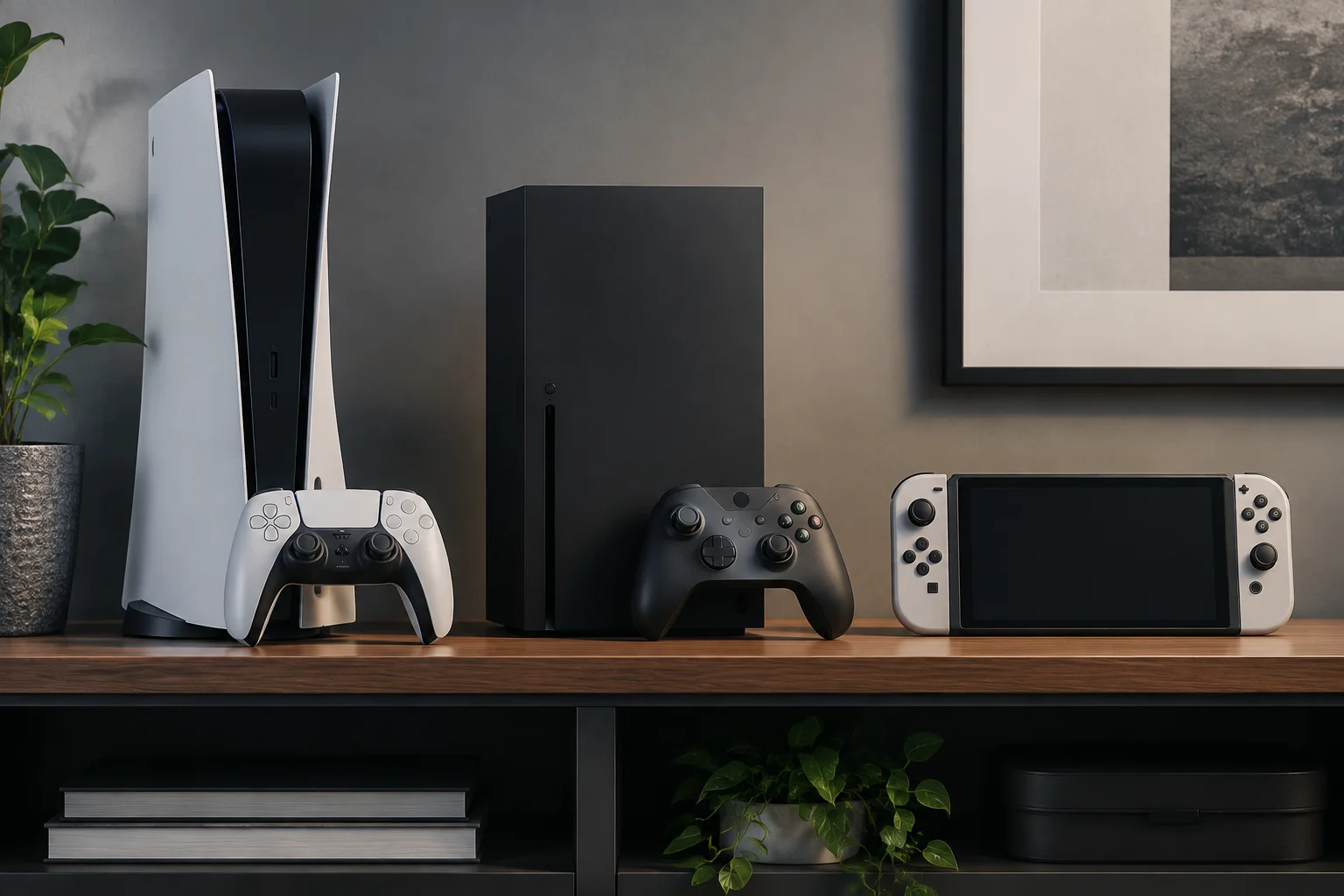
Despite the price increase, Microsoft has reinforced the performance of the Series X with GPU improvements and support for 4K HDR at 120 Hz, remaining competitive against the PS5 and the upcoming Switch 2 expected in 2027. The reference to GPU and resolution and refresh rate describes the technical improvements cited for the console. The comparison takes place in a competitive context: price adjustments coexist with the emphasis on performance, while the Switch 2 appears as a platform expected for 2027.
Microsoft's focus is to offer an integrated ecosystem: powerful hardware, Game Pass as a content engine, and exclusive titles that attract players. Each element fulfills a distinct function within that proposal: hardware supports the gaming experience, the service gathers content, and exclusive titles provide reasons to choose the platform. The strategy depends on the combination, not a single feature; therefore, game announcements and subscription decisions are understood alongside the position of Series X|S.
Conclusion: What really changes
For the end user, the main novelty is the confirmation of four games with specific dates and the continuity of the Play Anywhere model on the console. Together, the announcements allow distinguishing between titles with defined information and the case of Kiln, whose date remains pending. The continuity of Play Anywhere, for its part, maintains the possibility of playing on console and PC with a single purchase. The update combines catalog and access novelties, although not all announcements offer the same level of detail about their calendar.
Microsoft's strategy focuses on consolidating Game Pass as a revenue source and maintaining the Series X competitive through performance improvements and multiplatform support. The service and hardware are presented as complementary pieces: Game Pass contributes to monetizing games without relying only on unit sales, while technical improvements support the console's position. The plan integrates subscription, performance, and catalog, and seeks for those components to reinforce the appeal of the Xbox ecosystem.
However, the real impact will depend on how price perception evolves and whether the new titles meet quality expectations. The announcements describe a strategic direction, but are not enough by themselves to determine how players will receive them. The final assessment remains open to two indicated factors: the response to prices and the perceived quality of the games when they arrive.