The context of component scarcity
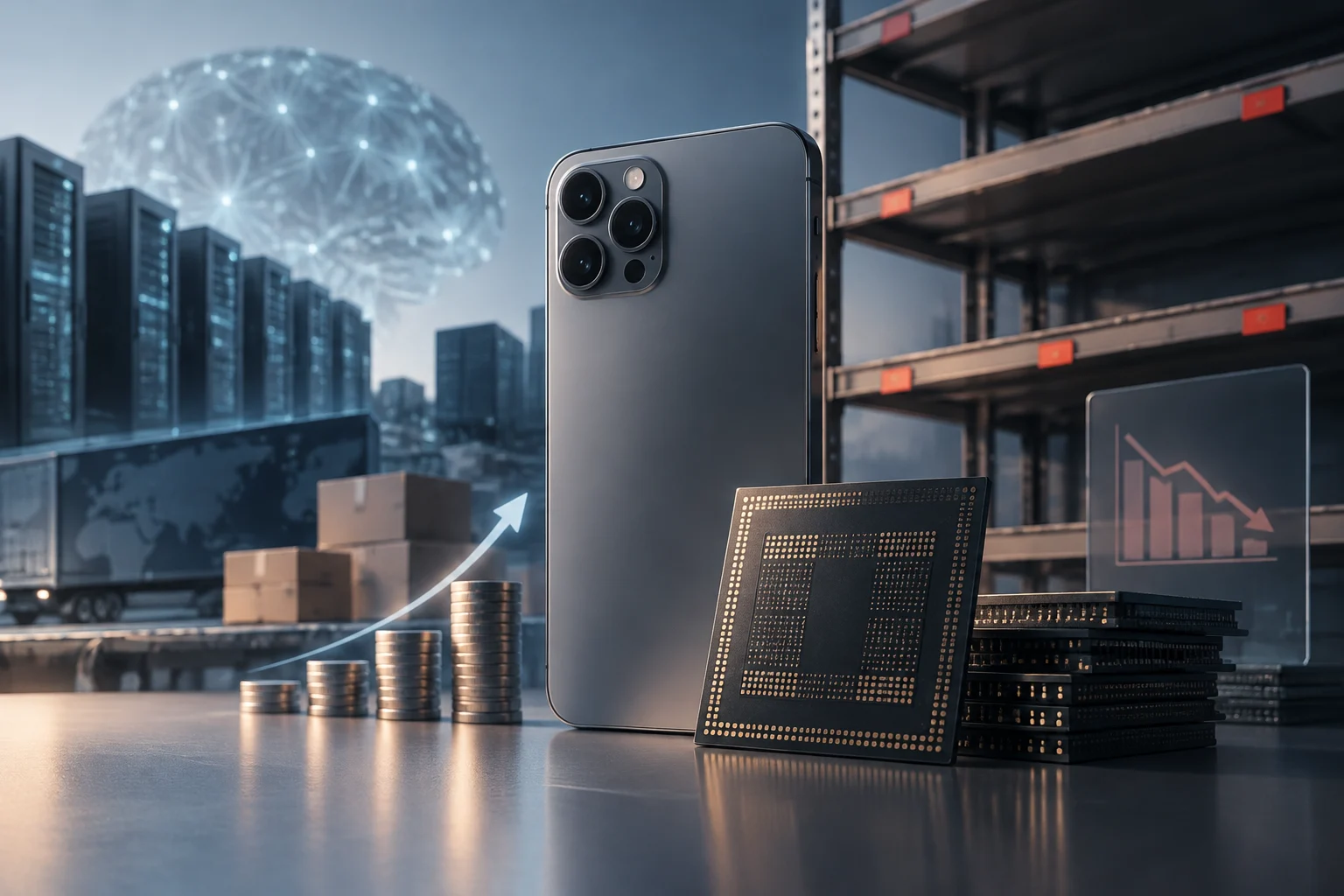
The mobile phone industry faces unprecedented pressure on its supply chain in 2026. The main cause is the massive absorption of DRAM memory by data centers dedicated to artificial intelligence, which has drastically reduced availability for consumer hardware. This imbalance has led to higher chip prices, directly translating into a restructuring of device manufacturing costs.
According to industry reports, three companies—Samsung, SK Hynix, and Micron—concentrate over 90% of global memory production. By prioritizing multi-billion dollar contracts with tech giants for AI infrastructure, the supply for mobile manufacturers has been compromised. This situation has led some suppliers to stop selling memory to end consumers, intensifying the shortage in the component market.
Market data and decline projections
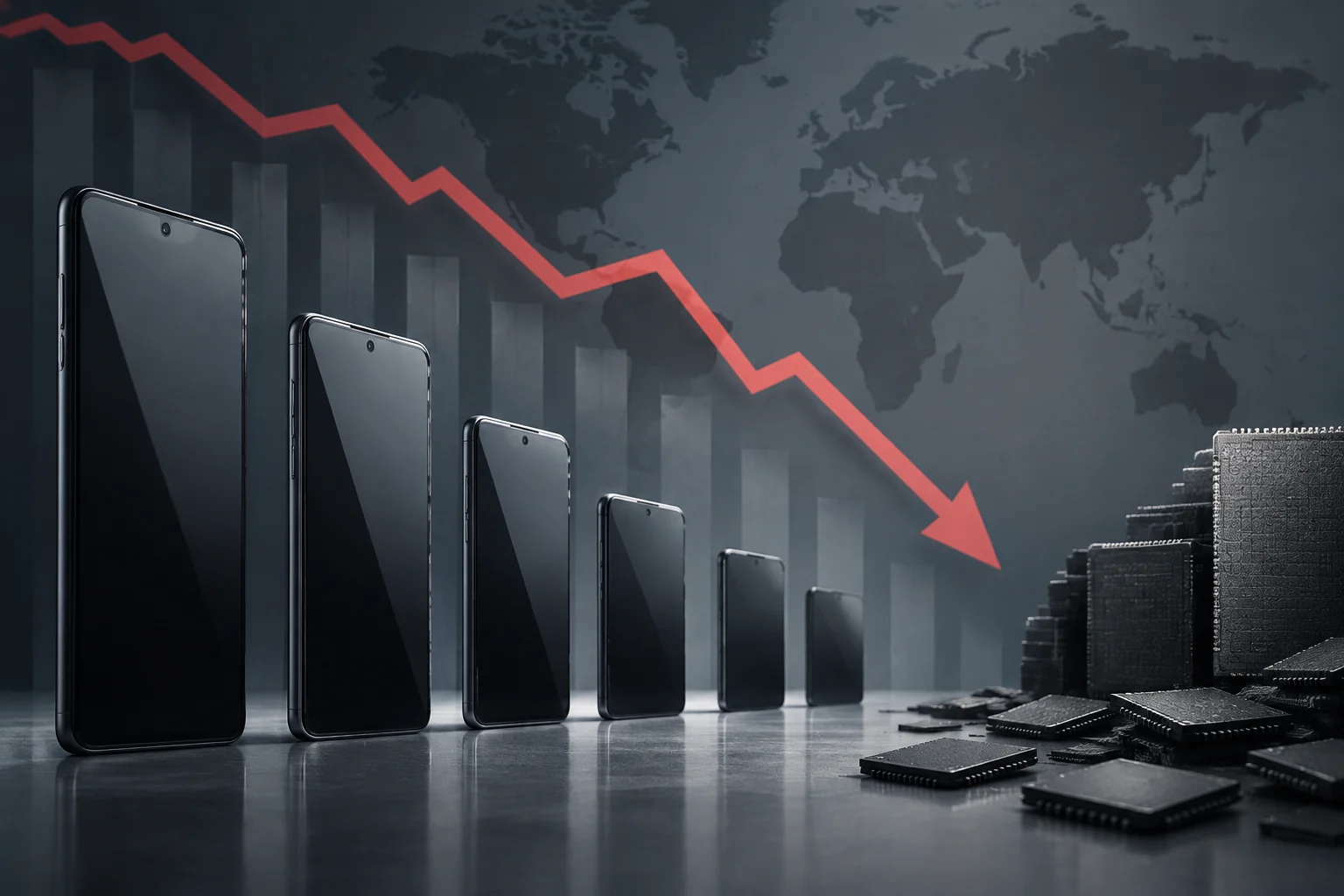
Research firms have revised their forecasts downward for the current year. IDC estimates a 12.9% contraction in global smartphone shipments, placing the figure at around 1.1 billion units, compared to 1.26 billion in 2025. This figure represents the largest annual drop recorded in over a decade, marking the end of a gradual growth cycle that had persisted since the pandemic.
Counterpoint Research offers a slightly more moderate but equally alarming estimate: a 2.1% reduction in global shipments. However, TrendForce warns that global production could fall by 10% year-on-year, to 1.135 billion units, with an adverse scenario that could reach 15% if DRAM and NAND prices continue to rise. This gap between forecasts reflects the uncertainty prevailing in the sector regarding the evolution of chip costs.
Direct impact on launch prices
The effect of the shortage has been immediately transferred to the final consumer price. According to Counterpoint's Global Smartphone Price Increase Tracker, prices of existing models have increased by an average of 15% in 2026. More than 40% of models have recorded price hikes, a phenomenon that analysts describe as unprecedented in the history of the smartphone industry.
New launches are not immune to this trend. Smartphones presented this year are 25% more expensive than their predecessors from previous generations. Memory has become the main driver of the Bill of Materials (BoM) cost, redefining prices across the industry and leaving manufacturers with very little margin to absorb the increase without passing it on to the end user.
Regional disparity in tech inflation
The impact of the price increase is not homogeneous worldwide. Markets with a higher weight of low and mid-range segments, such as India, record the largest increases, with hikes of up to 21%. In these regions, the market structure limits manufacturers' ability to absorb the increased component costs, forcing a direct increase in the retail price.
In contrast, markets with a greater presence of premium segments show more contained increases. In Europe, prices have risen by 7%, while in the United States the increase stands at 5%. In these areas, hikes are concentrated mainly in new launches rather than existing models, and postpaid payment plans help to cushion the initial impact for the consumer.
Manufacturer strategies in the face of the crisis
To mitigate the impact on their profit margins, manufacturers are adopting adjustment strategies in specifications. A regression in RAM memory is expected for devices: mid and high-end phones could be limited to 8 GB, while low-end models would return to 4 GB. This reduction aims to contain production costs without further raising the final device price.
Other brands are opting to cut non-essential features or push users toward the 'Pro' versions of each model, which allow for higher margins. Cost pressure is forcing a rethinking of product portfolios, prioritizing profitability over raw specification innovation. This dynamic could result in devices that, although more expensive, offer less memory capacity than their predecessors.
Implications for consumers and outlook
For the user considering upgrading their device, the current situation means paying more for fewer specifications. The most sensible practical decision is to evaluate whether the generational leap justifies the extra cost, especially in high-end models where the price difference is more notable. In many cases, buying a model from the previous generation may offer a better value for money, as the memory crisis affects recent launches more strongly.
In the short term, no immediate price stabilization is expected. Demand for AI memory remains structural and not a temporary peak, suggesting that the shortage could last for several years. Consumers must be prepared for a market where tech inflation is the norm rather than the exception, adjusting their purchasing expectations and prioritizing the features they actually use over raw memory specifications.