The regulatory framework: from directive to direct regulation
Regulation (EU) 2023/1542 marks the most significant shift in battery legislation over two decades. Unlike previous directives, this text applies directly across all Member States, eliminating national transposition and creating a unified life‑cycle framework for batteries—from raw material extraction to recycling.
The regulation is complemented by new ecodesign and energy‑labeling rules that took effect in June 2025 for smartphones and tablets. Together they aim to cut e‑waste and promote a more sustainable consumption model, setting minimum durability, efficiency and reparability requirements for devices sold in the EU market.
Technical durability and efficiency requirements
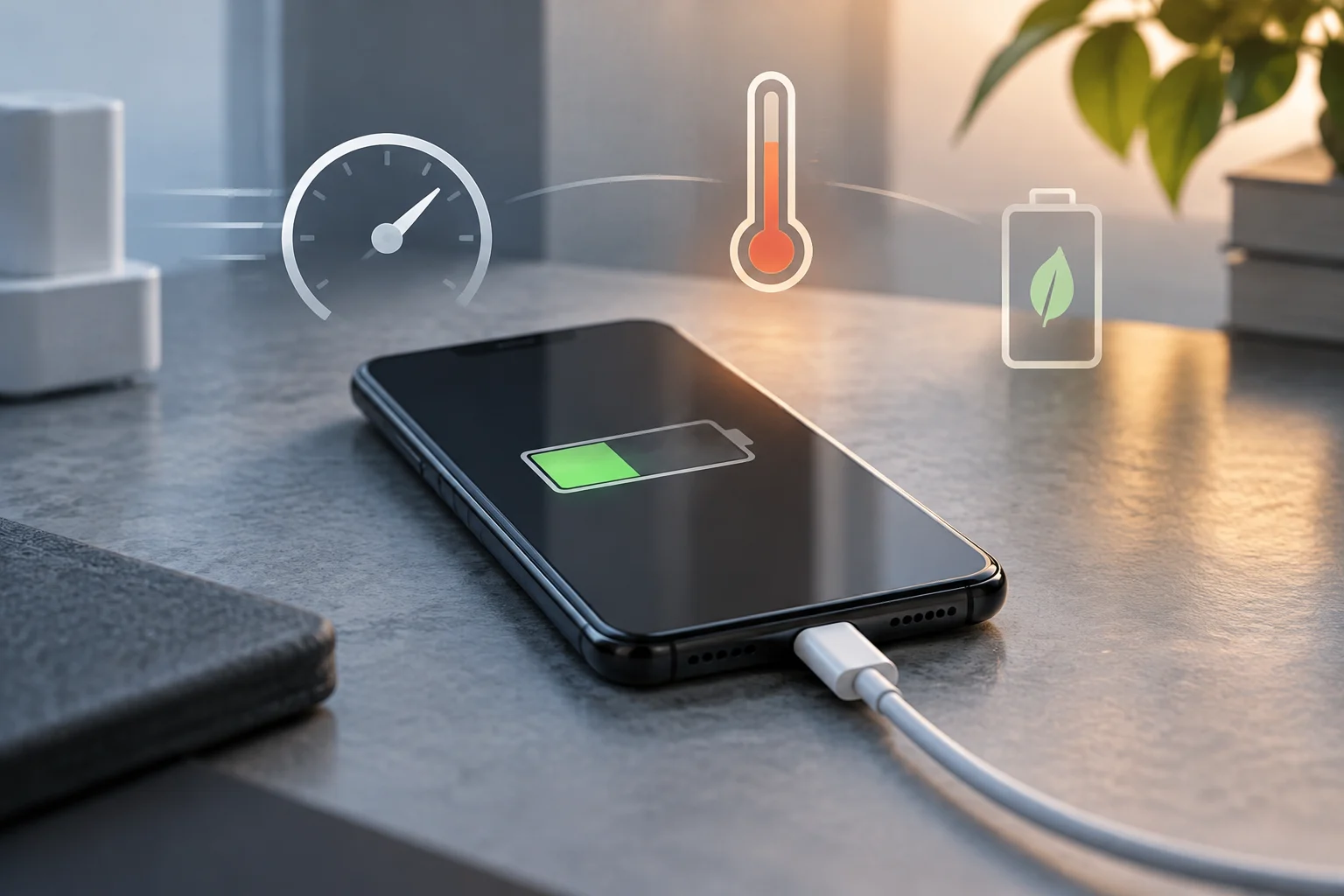
Manufacturers must ensure that mobile batteries retain at least 80 % of their initial capacity after 800 charge cycles. This technical standard seeks to extend device life and reduce how often users need to replace gear, directly influencing design strategies.
Additionally, the rule demands greater resistance to drops, scratches, dust and water. The goal is for devices to be more robust overall—not just in energy terms but also physically. These improvements will appear on the new energy‑efficiency label, which will include battery capacity, impact resistance and repairability information.
The 2027 reparability obligation
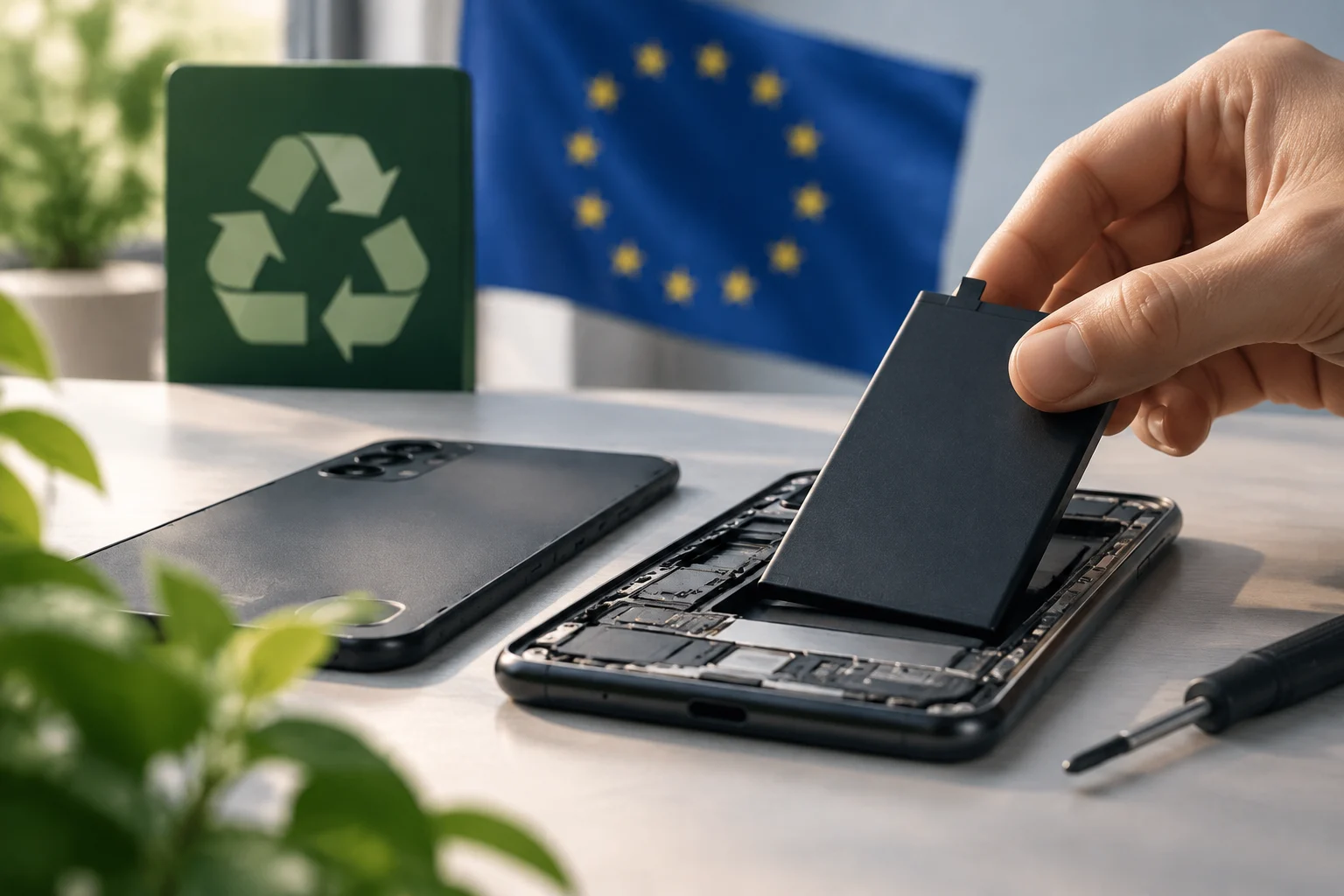
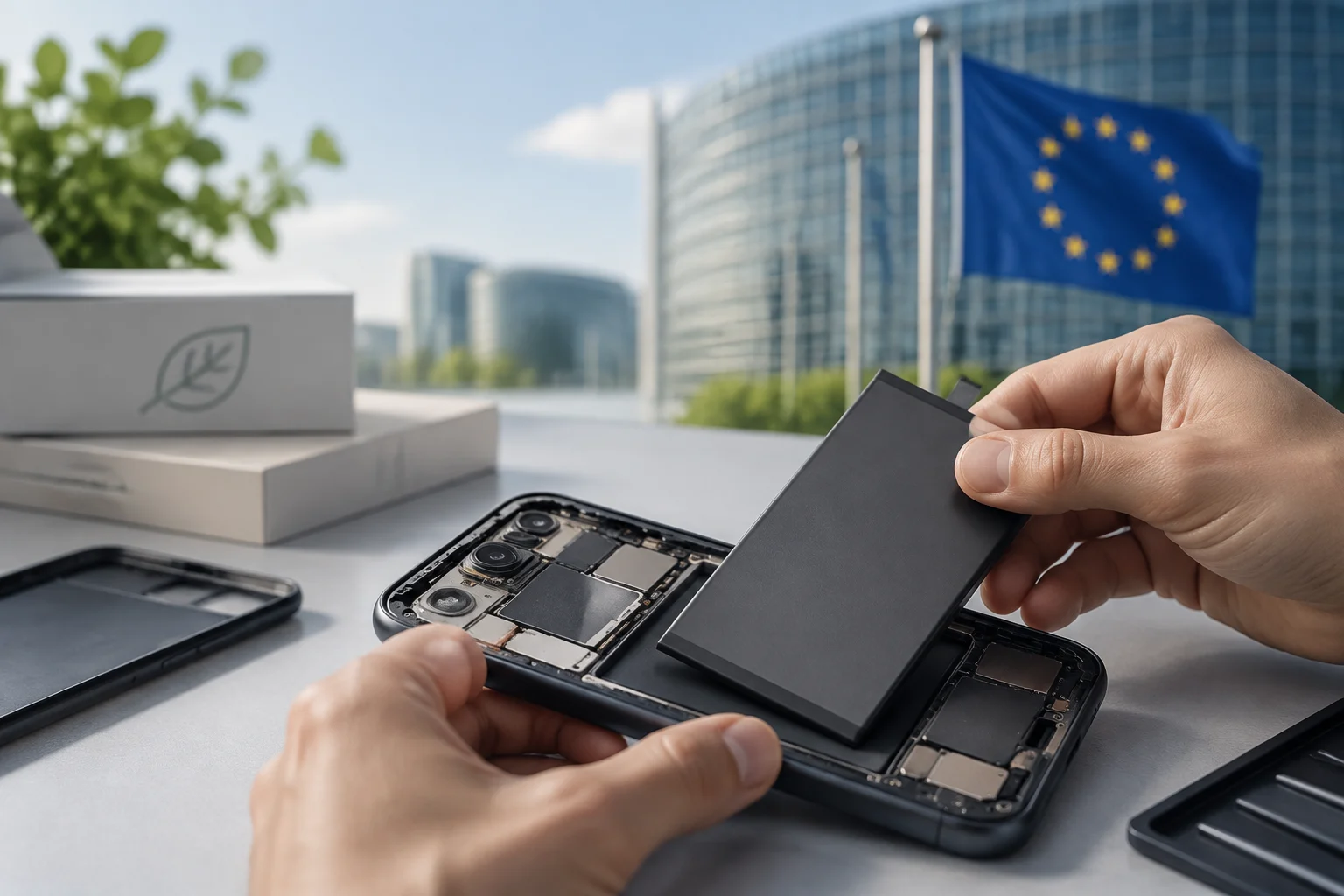
The most disruptive change arrives on 18 February 2027, when batteries for smartphones and tablets must become removable and replaceable by the end user. Manufacturers can no longer seal batteries to prevent substitution without specialised tools or professional help.
This measure empowers consumers, who are currently forced to buy a new device when the battery degrades even though the rest of the unit works fine. The ability to replace the battery at home or in an independent workshop will lower maintenance costs and extend device life, supporting the circular economy.
Access to spare parts and software updates
The regulation goes beyond batteries, requiring brands to guarantee spare‑part availability for at least five years after the last unit is placed on the market. It also mandates repair manuals and a minimum period of software update support, countering planned obsolescence.
These requirements aim to create a more transparent and accessible repair ecosystem. By ensuring spare parts and software are available, the EU intends that repair becomes a viable and affordable option for consumers, reducing reliance on official manufacturer services and fostering competition in the repair sector.
Exceptions and excluded devices
Not all devices face the same user‑repair requirement. The European Commission adopted a delegated act introducing exceptions for certain products, such as medical devices, electric toothbrushes and—starting July 2026—portable wearables like smartwatches, activity bands, electric toys and equipment for explosive atmospheres.
In these cases, batteries must be removable and replaceable only by independent professionals, not the end user. This distinction is based on safety reasons and the specific characteristics of these devices, which require more specialised handling to avoid risks or malfunction.
Market impact and manufacturer responses
Manufacturers are adapting designs to meet the new rules. A notable example is Nintendo, planning a Switch 2 version with an easily replaceable battery in Europe, aligning with right‑to‑repair legislation. This shift affects not only mobiles but all portable electronic devices.
For consumers, these measures translate into greater purchase transparency thanks to the new efficiency label and potential savings of up to €20 billion by 2030, according to EU Commission projections. The regulation will also optimise critical raw‑material use and facilitate recycling, reducing the tech sector’s carbon footprint.