Memory is entering a period of shifting priorities
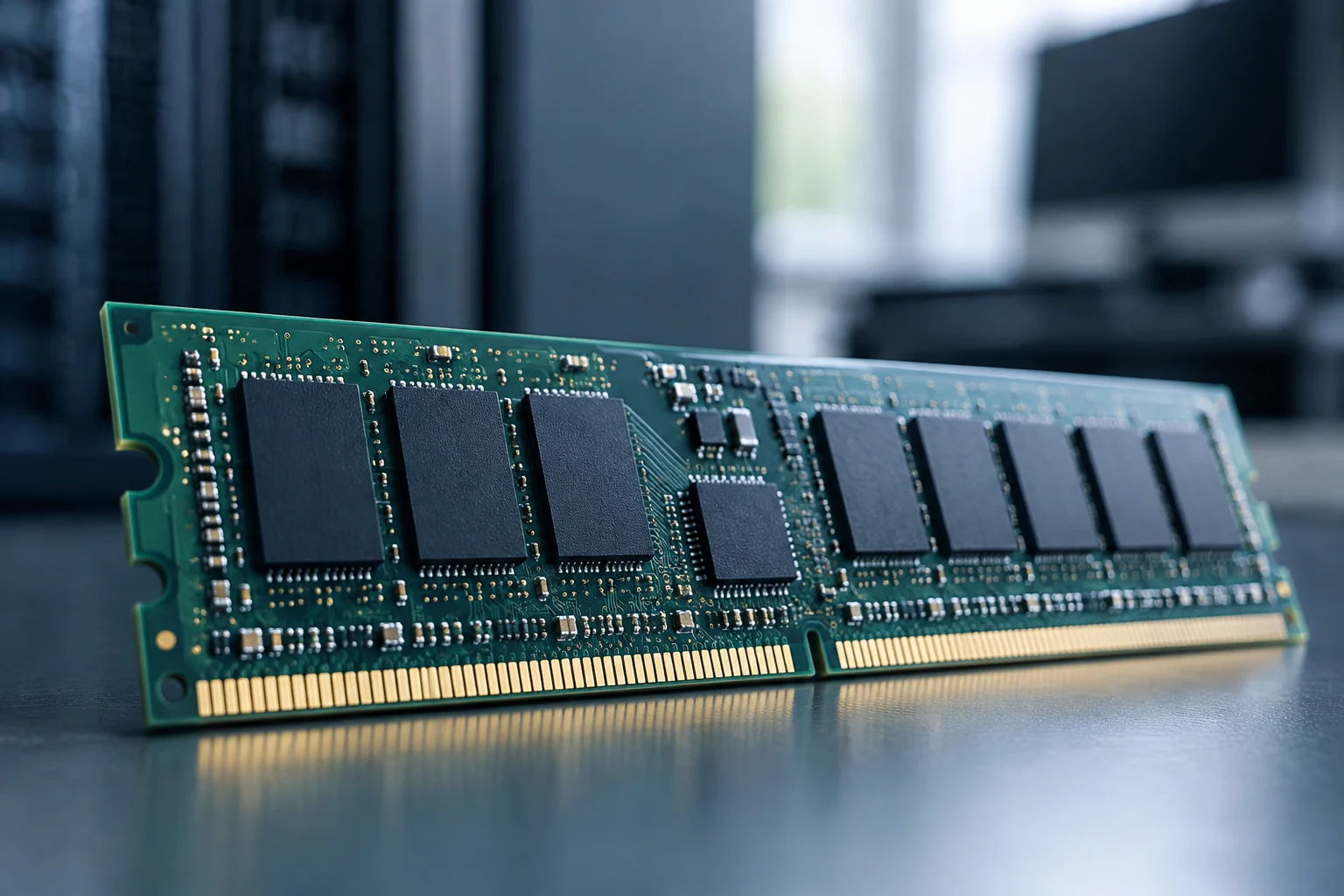
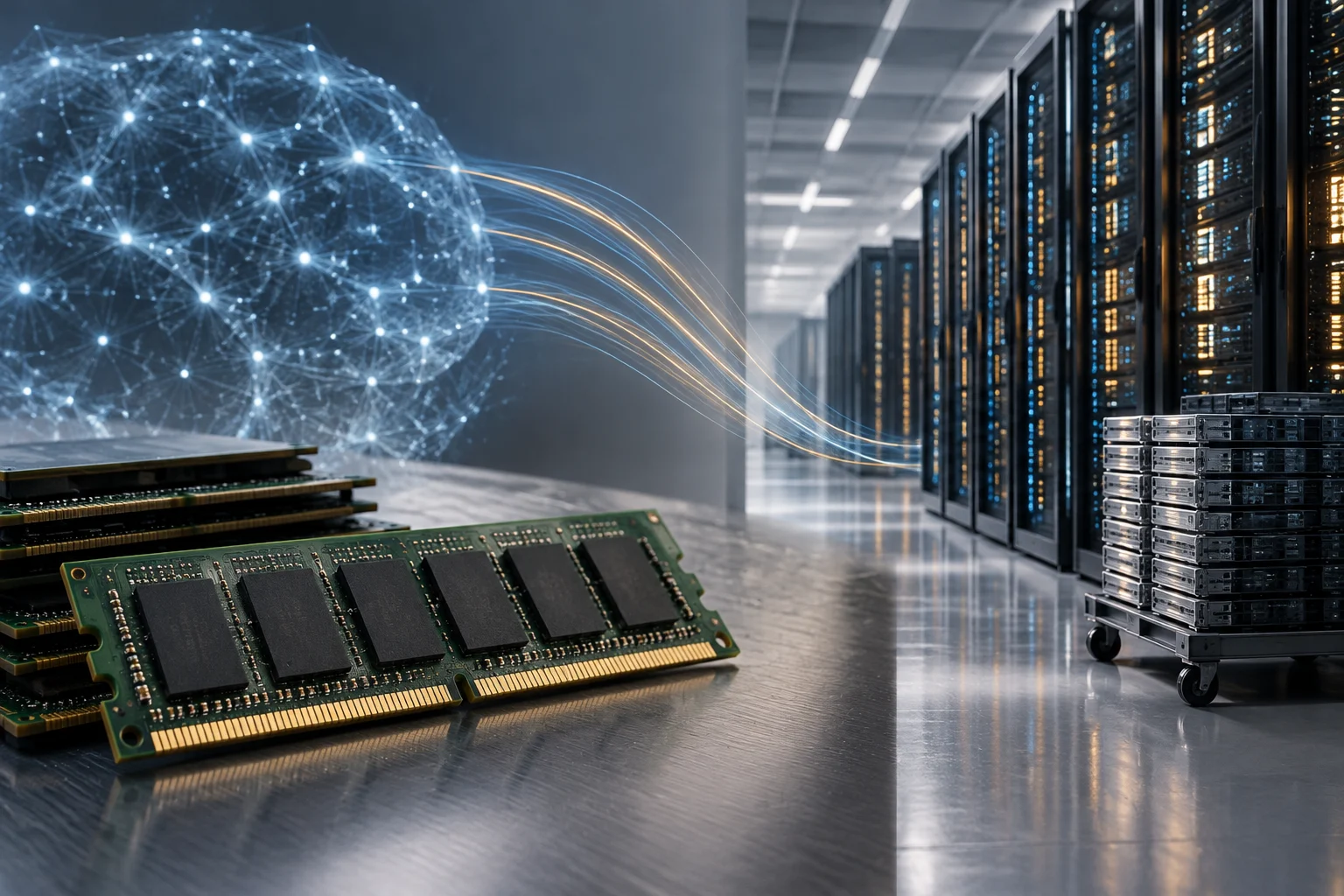
Artificial intelligence data centers need large quantities of specialized memory, and DRAM manufacturers are directing resources toward products for that market. For people building or upgrading a PC, the possible effect is tighter availability and fluctuating prices; the extent depends on memory type, region, and sales channel. Not all modules or buyers are exposed in the same way.
The time period and measurement matter. Z2Data reported that DRAM prices rose 172% year over year in the third quarter of 2025. Analyses published in 2026 described further increases in server contract prices. These figures are not directly comparable: a year-over-year change and a quarter-over-quarter change use different reference points, and enterprise contracts are not equivalent to the retail price of a PC kit. Distinguishing them helps clarify which market segment each figure describes and avoids projecting a specific data point onto the entire market.
HBM and conventional DRAM: two types of memory, one industrial capacity
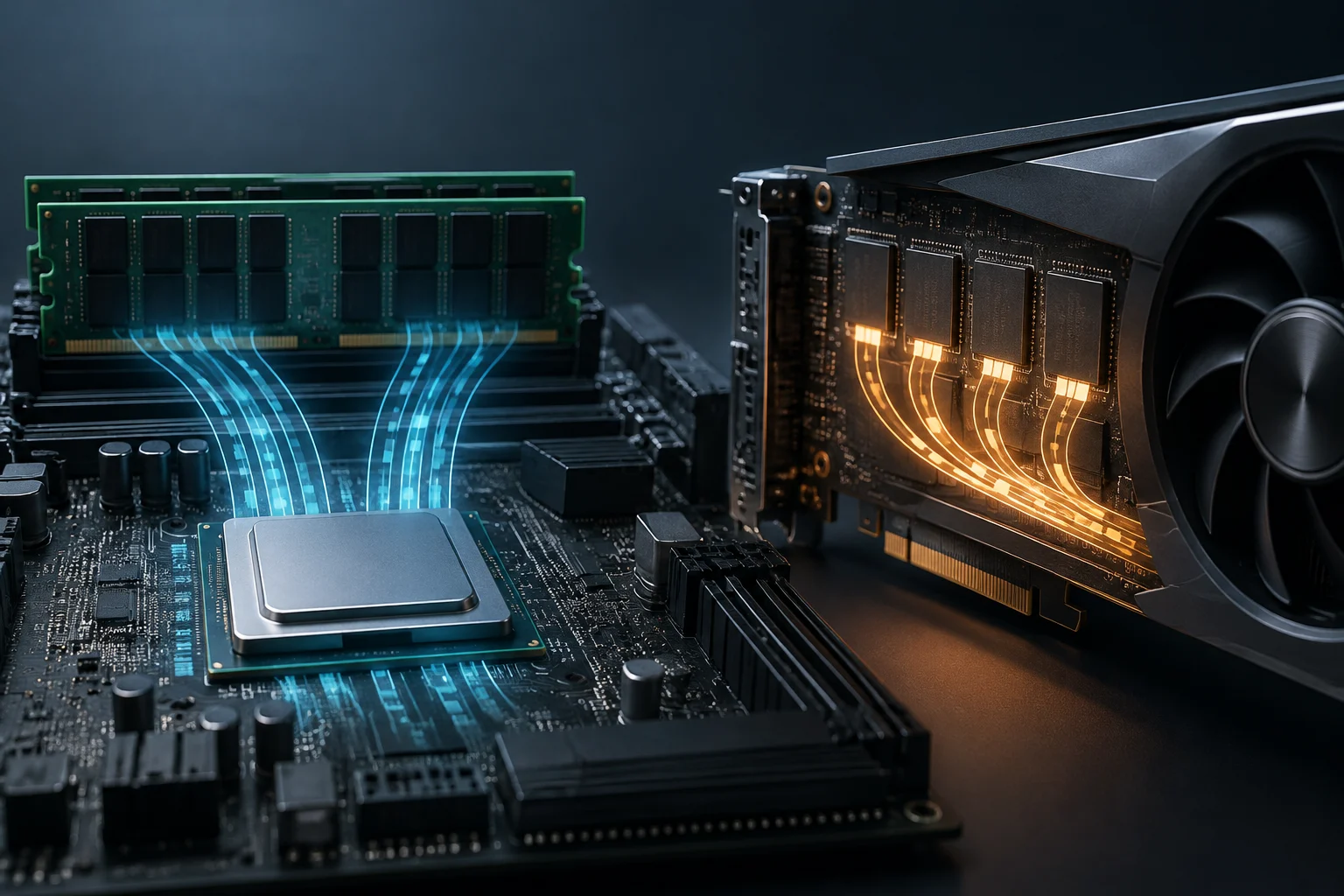
HBM (High Bandwidth Memory) is used alongside AI accelerators to provide high bandwidth. It is not the same product as the DDR4 or DDR5 modules in a home computer, but both belong to the DRAM family and rely on an industry with limited manufacturing capacity. The connection is industrial, not direct substitution: making more HBM can require resources that, under different circumstances, might be used to produce other types of memory. The actual effect depends on each manufacturer’s facilities, processes, and decisions.
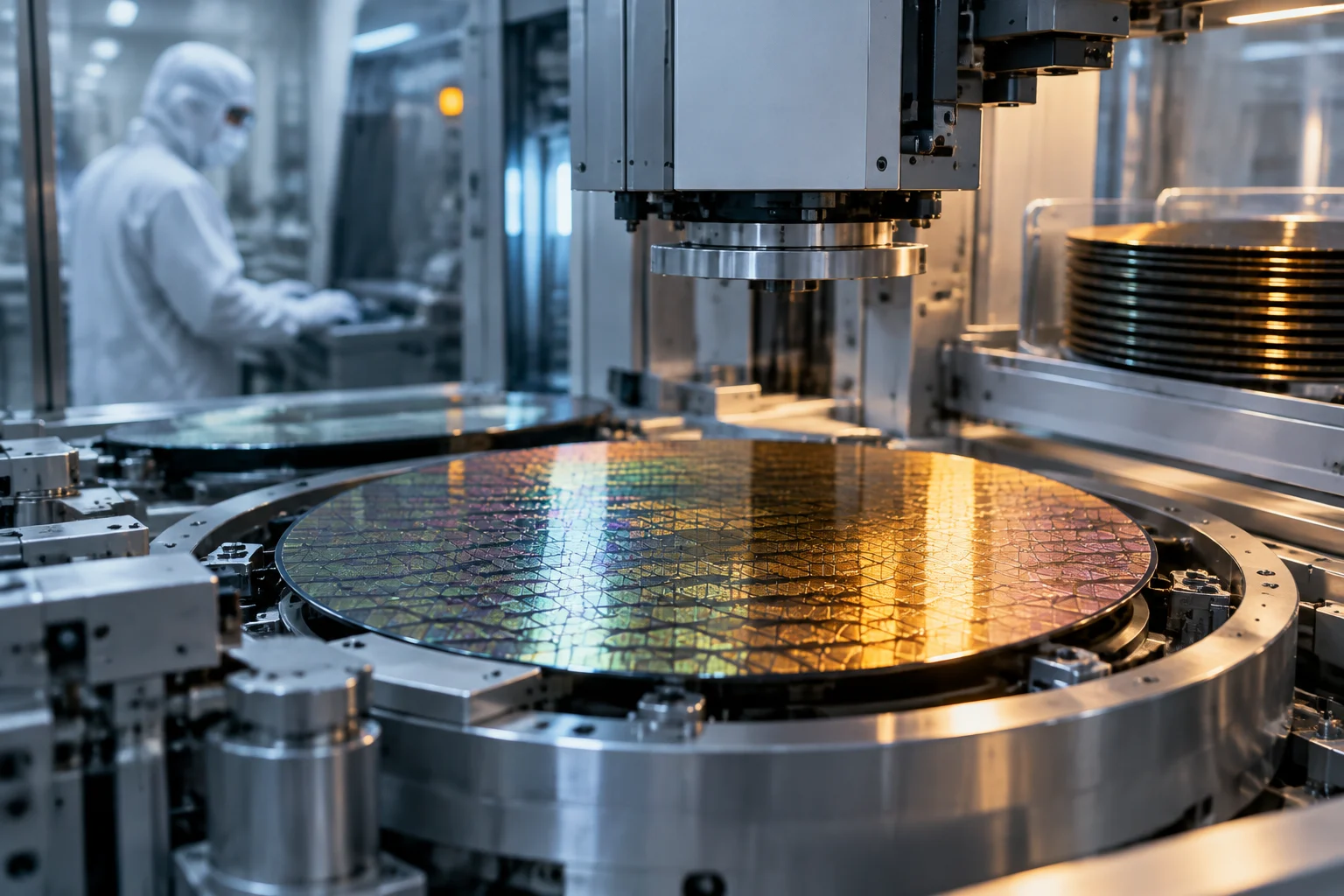
Z2Data describes Samsung, SK hynix, and Micron as allocating growing amounts of capacity and assembly operations to HBM, and says this trend may reduce the supply of conventional products. The same research indicates that HBM requires more wafer capacity per bit than standard DRAM. That does not make it possible to calculate automatically how many conventional modules go unproduced: manufacturing yields, packaging, and demand for each product also matter. Production and assembly are related, but their constraints and timelines do not necessarily match.
What prices say—and what they do not establish
Price reports describe different markets. Z2Data reported a 172% year-over-year increase in DRAM in Q3 2025. For the UK infrastructure market, Servnet summarized estimates of conventional DRAM contract prices rising between 93% and 98% quarter over quarter in Q1 2026, and between 53% and 63% in Q2. These are contract benchmarks, not universal consumer prices or a guarantee of what a particular store will charge. Because they measure different periods, the percentages should not be added together or treated as a single cumulative change.
Retail prices can also vary substantially, but a snapshot has limited scope. Servnet includes a price tracker for a 32 GB DDR5 kit on Amazon UK between September 2025 and January 2026: one case tied to a particular product, seller, and market. To compare offers, look for the same capacity, generation, speed, latency, and module configuration. Check the seller, taxes, and shipping too: two kits with different specifications cannot show that the price difference is due solely to market movements.
Reported DRAM price changes, in context
These figures describe different markets and comparison periods; they are not directly comparable or additive.
| Z2Data: DRAM, Q3 2025 | +172% year over year |
|---|---|
| Servnet: UK market, Q1 2026 | +93% to +98% quarter over quarter |
| Servnet: UK market, Q2 2026 | +53% to +63% quarter over quarter |
Z2Data reports a year-over-year change; Servnet reports quarter-over-quarter contract-price changes in the UK infrastructure market. None is a universal retail price.
Why supply may take time to respond
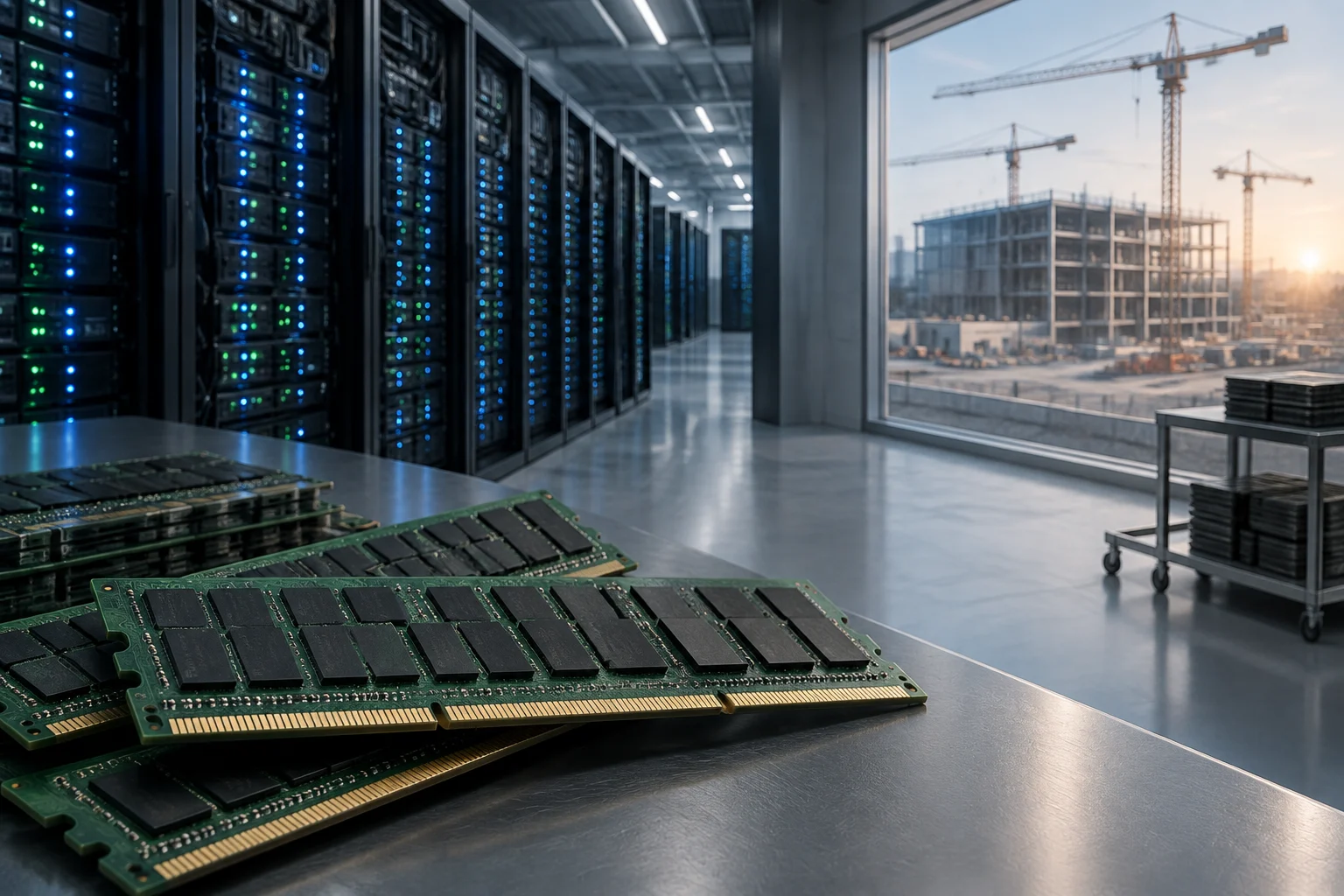
Expanding memory manufacturing capacity requires facilities to be built and brought online, a process that takes time. Increasing production of one type of memory does not necessarily resolve constraints affecting another. In January 2026, Infobae attributed to Christopher Moore, Micron’s vice president of marketing, a forecast that supply normalization might not arrive before 2028. That is a forecast attributed to an executive, not a guaranteed date for prices to fall across all markets. Supply recovery and retail price movements do not necessarily happen at the same time.
In May 2026, Geeknetic reported that Micron leadership expected supply difficulties for HBM, DRAM, and NAND to continue beyond 2026, citing information presented by JPMorgan. The publication also noted that HBM4 production was ramping faster than HBM3, but that this progress would not be enough to meet expected demand. A new generation can speed up production without removing pressure if demand grows at the same time or process and packaging constraints persist. The progress of one specific technology therefore does not, by itself, determine when supplies of all types of memory will return to normal.
Who is affected: PCs, servers, and assembled devices
Retail prices and enterprise contracts reflect different conditions. Companies and systems integrators may buy memory through volume agreements and budgets; if component costs remain high, that can affect the price of complete systems. The impact varies with inventory, supply agreements, and memory’s share of total cost. A server quotation does not necessarily describe what someone will pay for a PC kit.
Memory is also used in phones and other devices. Tarreo reported that TM Roh, Samsung’s co-CEO, warned of possible effects of the shortage across different consumer sectors and uncertainty about costs. That does not mean every product will rise at the same time or by the same amount: brands may absorb some of the increase, change configurations, or adjust prices at different times. The final price depends on more than RAM, as well as on each manufacturer’s commercial decisions.
Practical decisions before buying or budgeting
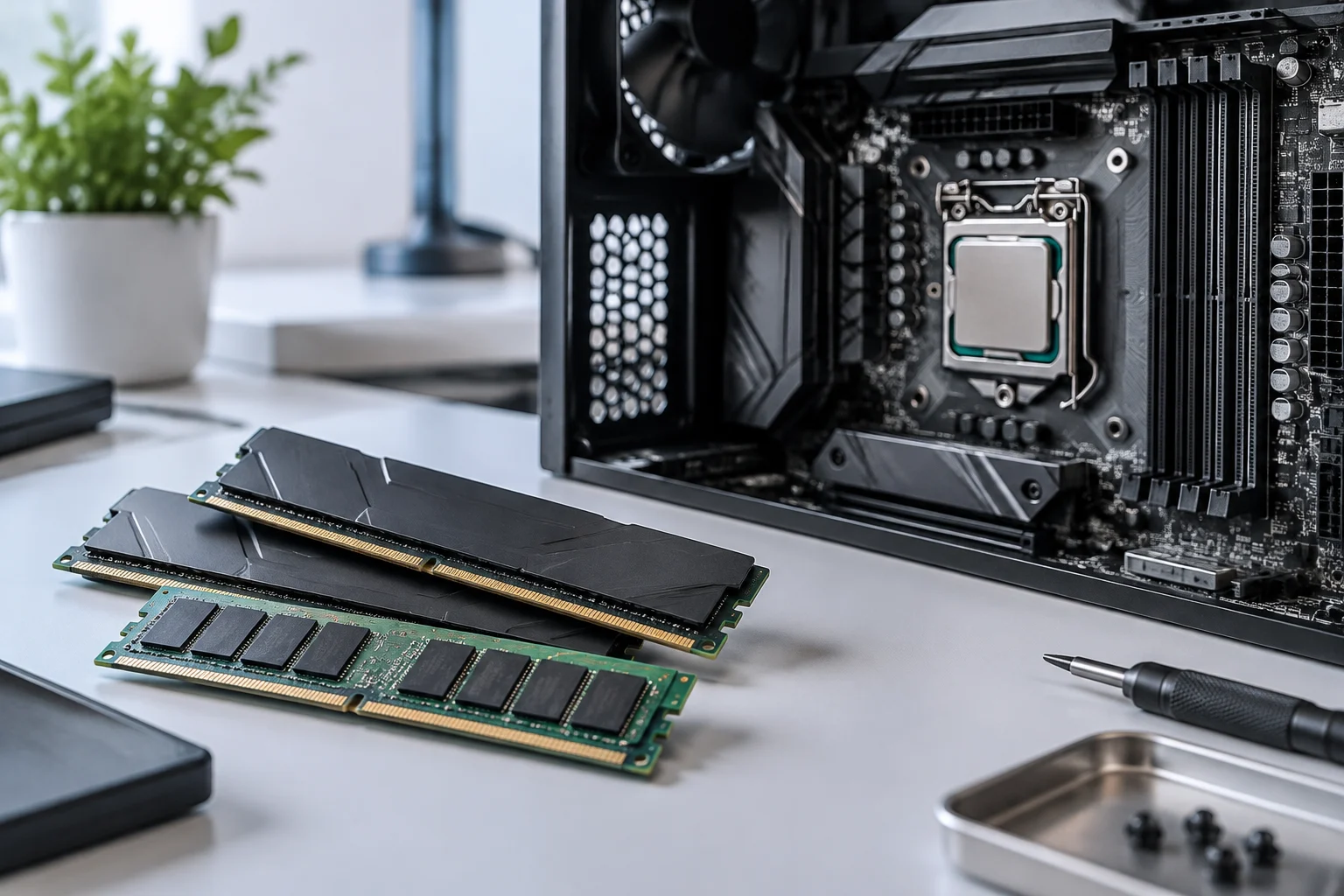
For a home upgrade, first check whether the computer actually needs more memory and which modules it supports. Review the generation compatible with the motherboard or laptop, the maximum capacity, and the configuration recommended by the manufacturer. If the computer already handles your tasks well, postponing a nonessential purchase can help you avoid paying for an upgrade you do not need right away.
If the purchase is necessary, compare equivalent modules across several stores. Confirm that the listing matches the exact model, check the seller’s reputation and return terms, and pay attention to differences in capacity, specifications, or availability that explain the price. For server budgets, keep contract prices separate from retail prices and record the date of each quotation. A dated, like-for-like price is more useful than a general estimate of what “RAM” costs: it lets you track the same configuration and distinguish market changes from differences between products.