Context and Scope of the Strategic Plan
The Digital Culture Plan 2026 is the third strategic plan of the Department of Culture of the Generalitat de Catalunya in this field. Published in 2024 by the Directorate General for Innovation and Digital Culture, it defines the program of strategic and operational actions for the 2024-2026 period. Its central objective is to reach a higher level of demand and ambition to advance digital creativity in Catalonia, consolidating the various sectors and improving their knowledge and recognition by the public.
The document is framed within the Departmental Culture Plan of the XV legislature (2024-2028), which structures public policies in five major areas: creation, digital culture, cultural rights, heritage, and the cultural system. This integration ensures that digital culture actions are not developed in isolation, but as part of a coherent roadmap aligned with the Government Plan's objectives. The plan provides continuity to previous instruments, incorporating lessons learned and adapting to the technological evolution of the sector.
Priority Sectors and Lines of Action
The plan identifies three fundamental axes: digital creativity, the video game industry, and the digitalization of cultural heritage. In the field of digital creativity, immersive creation, project incubation, and the development of new forms of interaction with audiences are promoted. The video game industry receives specific attention through sectoral studies, company catalogs, and good practice guides, with a special focus on professional talent and training.
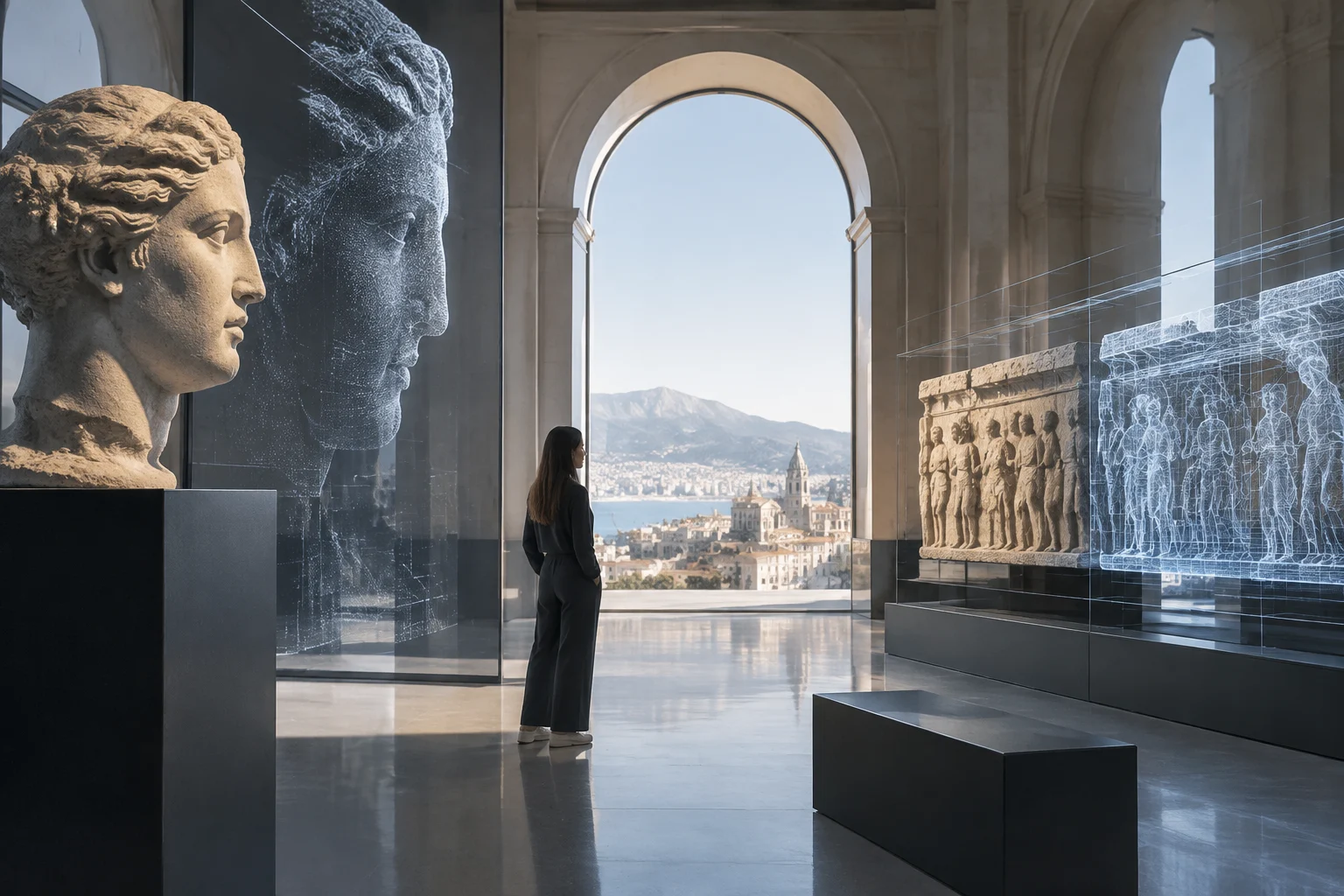
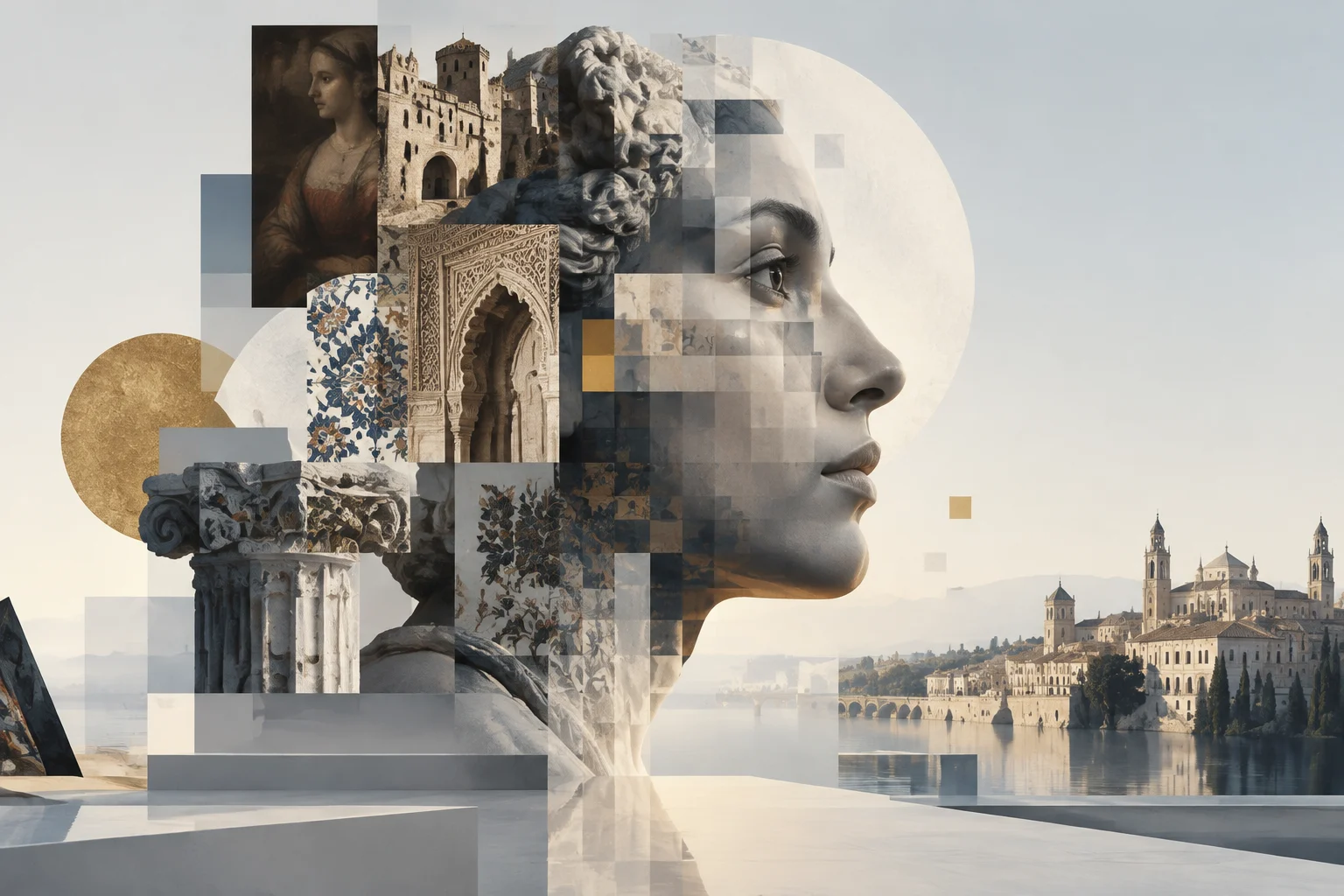
The digitalization of cultural heritage is addressed as a tool for the preservation and dissemination of historical legacy, aligning with the objectives of museum and archive plans. The plan recognizes the role of artificial intelligence in creative processes, as reflected in the studies published by the Directorate General, which include analyses on the use of AI in digital creation and its ethical and economic implications. This comprehensive vision allows addressing the challenges of digital transformation from a perspective that combines innovation, sustainability, and universal access.
Funding and Budgetary Structure
The Culture budget for 2026 amounts to 524 million euros, of which the Directorate General for Innovation and Digital Culture has 7.5 million euros, an increase of 15.4% compared to 2023. This allocation is intended to fund the plan's lines of action, including scholarships, grants, and support programs for SMEs and startups. The total Culture and Language budget reaches 609 million euros, representing 1.7% of the Generalitat's total budget.
Within the Plan for Artistic Creation (28.1 million euros), 2.5 million euros are specifically allocated to lines supporting immersive creation and the incubation of digital projects, an increase of 740,000 euros compared to the previous year. This investment reflects the Generalitat's commitment to technological innovation in the cultural sector, providing concrete resources for companies and creators to develop cutting-edge projects. Funding is distributed among different aid modalities, ensuring broad coverage of the sector's needs.
Active Grant Calls
For the execution of the plan, the Generalitat has launched three specific grant calls for 2026, managed by the Office of Support to Cultural Initiative (OSIC). Applications are submitted electronically through Tràmits gencat for private entities, companies, and individuals, or via EACAT for local authorities and public entities. The submission deadline closes at 2:00 PM on the date indicated as the final date, making a digital certificate essential for processing.
The available modalities are: CLT099 for the organization of digital cultural content events in Catalonia, CLT514 for projects by entities that articulate the digital culture sector, and CLT515 for project incubation programs in the field of digital creativity. The CLT514 call, for example, is aimed at social and solidarity economy entities, with a submission deadline that ended on February 12, 2026. These aids seek to promote cultural and creative innovation, excluding events dedicated primarily to other disciplines or exclusively training activities.
Coordination with State and European Administrations
The Digital Culture Plan 2026 is coordinated with the policies of Spain's Ministry of Culture, which in October 2026 called for aid worth 1 million euros for the internationalization of video games, podcasts, and digital culture. These state aids are aimed at non-profit entities that organize activities to promote the presence of the Spanish sector in international markets, with funding of up to 80% of the total cost for projects of up to 50,000 euros.
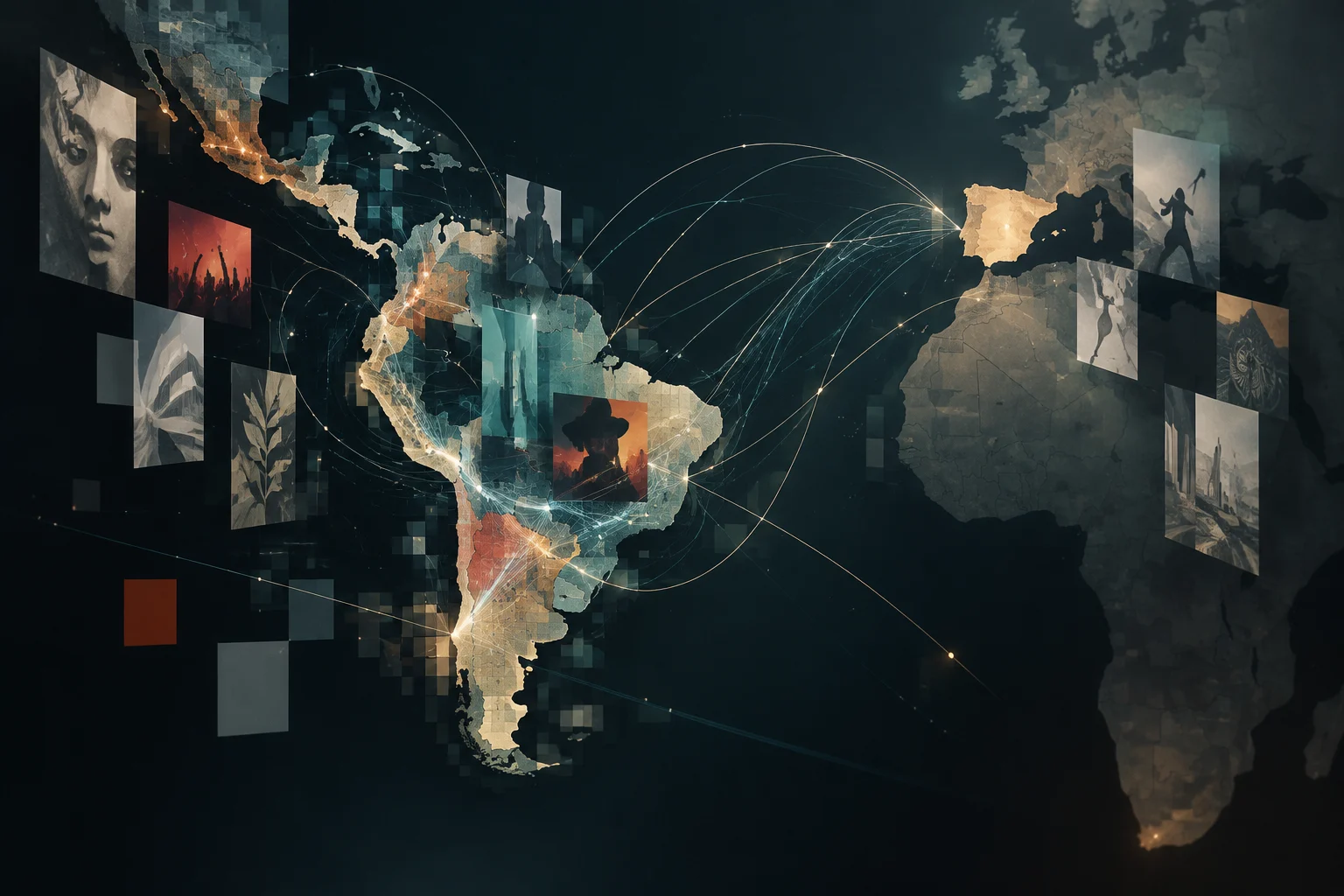
At the European level, the plan aligns with the Conclusions of the Council of the European Union on strengthening the cultural and creative dimension of the video game sector, adopted during the Spanish Presidency in 2023. This multi-level coordination allows Catalan companies to access a network of complementary funding, from regional aids to European internationalization programs. The synergy between these administrations strengthens the competitive position of the Catalan sector in the global context, facilitating participation in international fairs such as gamescom or SAGA Barcelona Game Fest.
Expected Impact and Next Milestones
The expected impact of the plan focuses on consolidating a robust digital cultural ecosystem, with greater international visibility and better access to funding. Investment in infrastructure, such as the conversion of the Antigua Foneria de Canons into a digital culture center (10.4 million euros), will provide physical spaces for collaboration and innovation. Evaluation milestones will be carried out periodically, with follow-up reports that allow adjusting lines of action according to the results obtained.
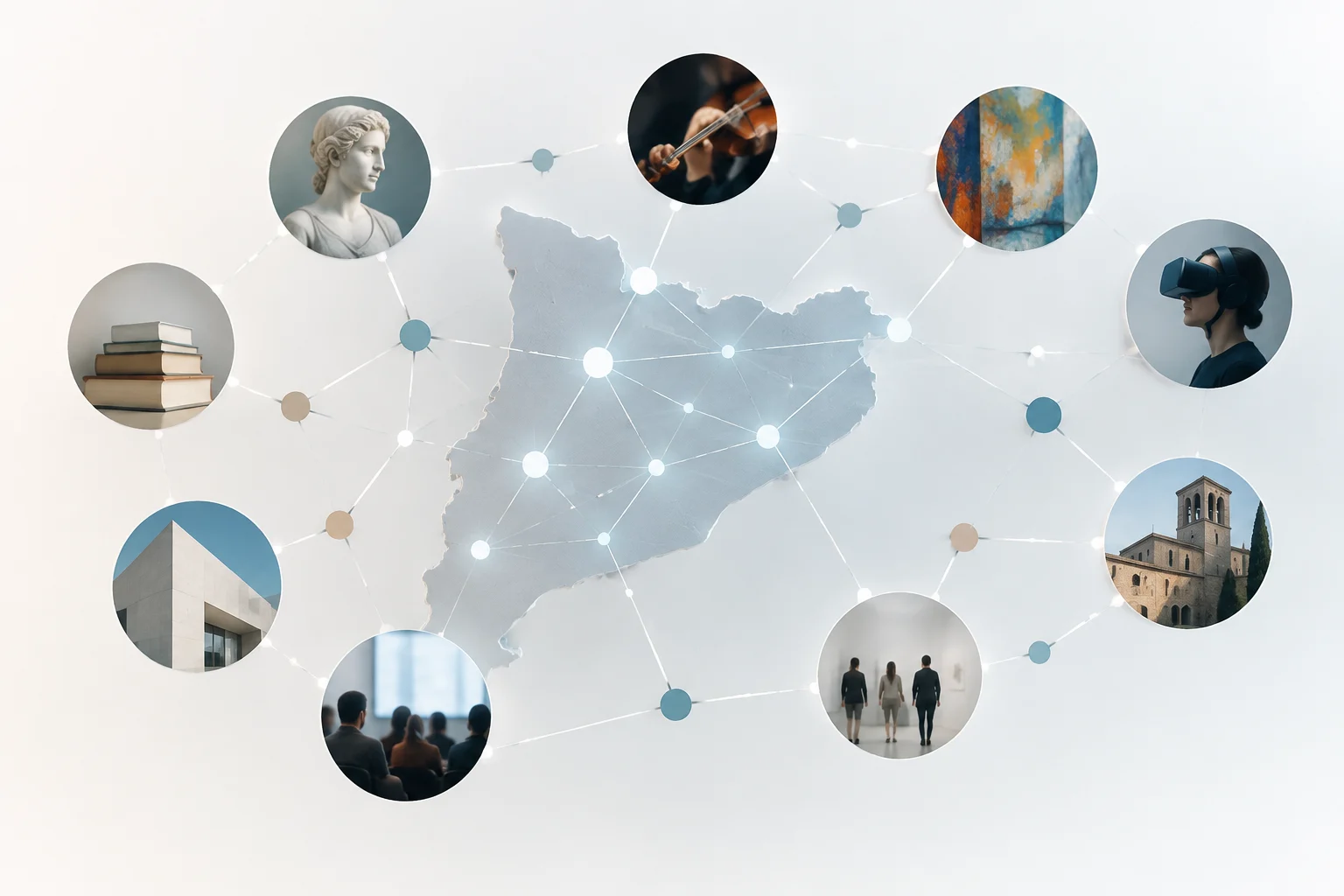
For sector professionals, the plan offers a clear roadmap with defined deadlines and concrete support mechanisms. Companies can plan their projects based on the available grant calls, while individual creators have access to scholarships and artistic residencies. Transparency in the management of aids, guaranteed by the publication of grant resolutions, reinforces the trust of sector agents in the Generalitat's public policies.