What Matter Enables and What It Does Not Guarantee
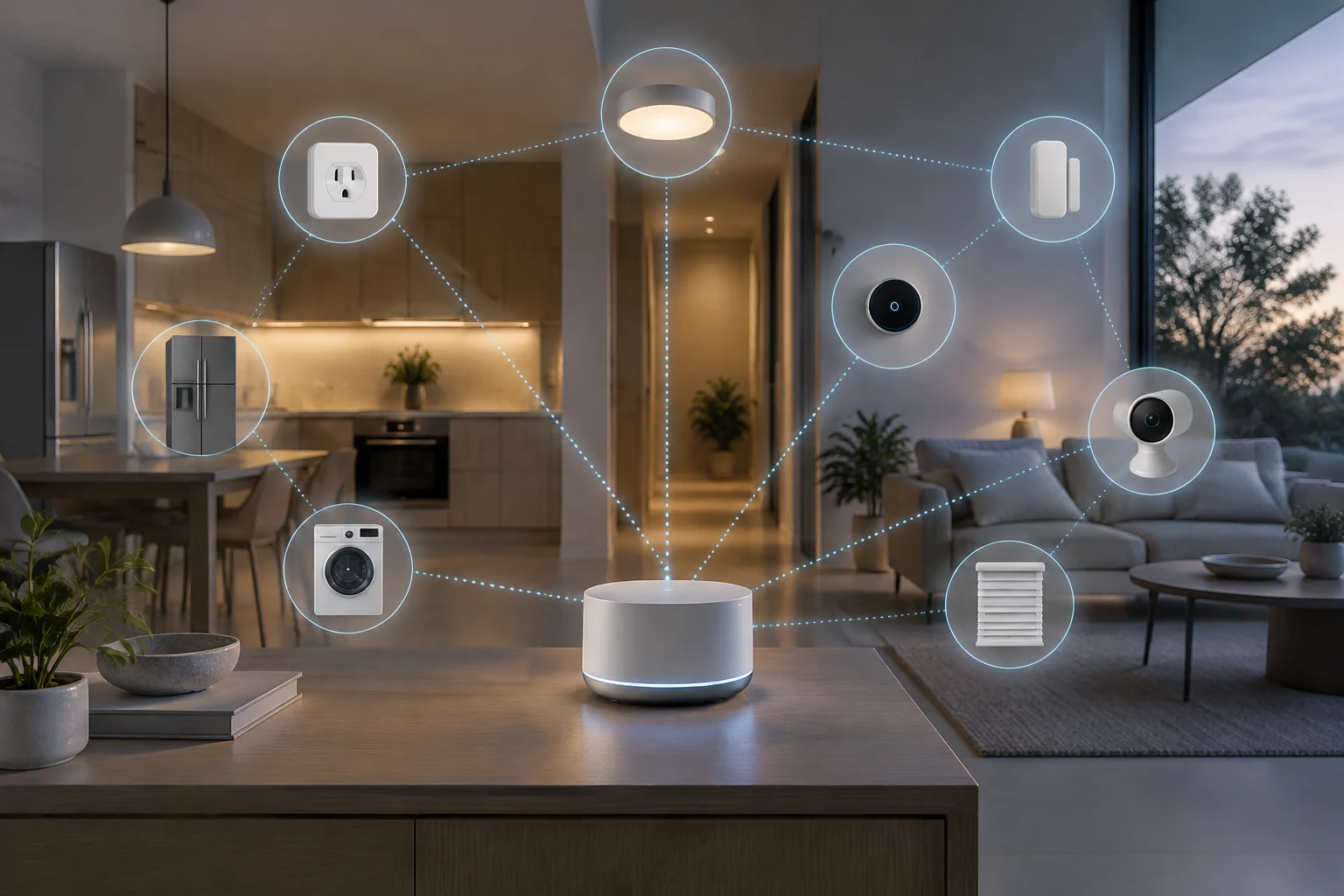
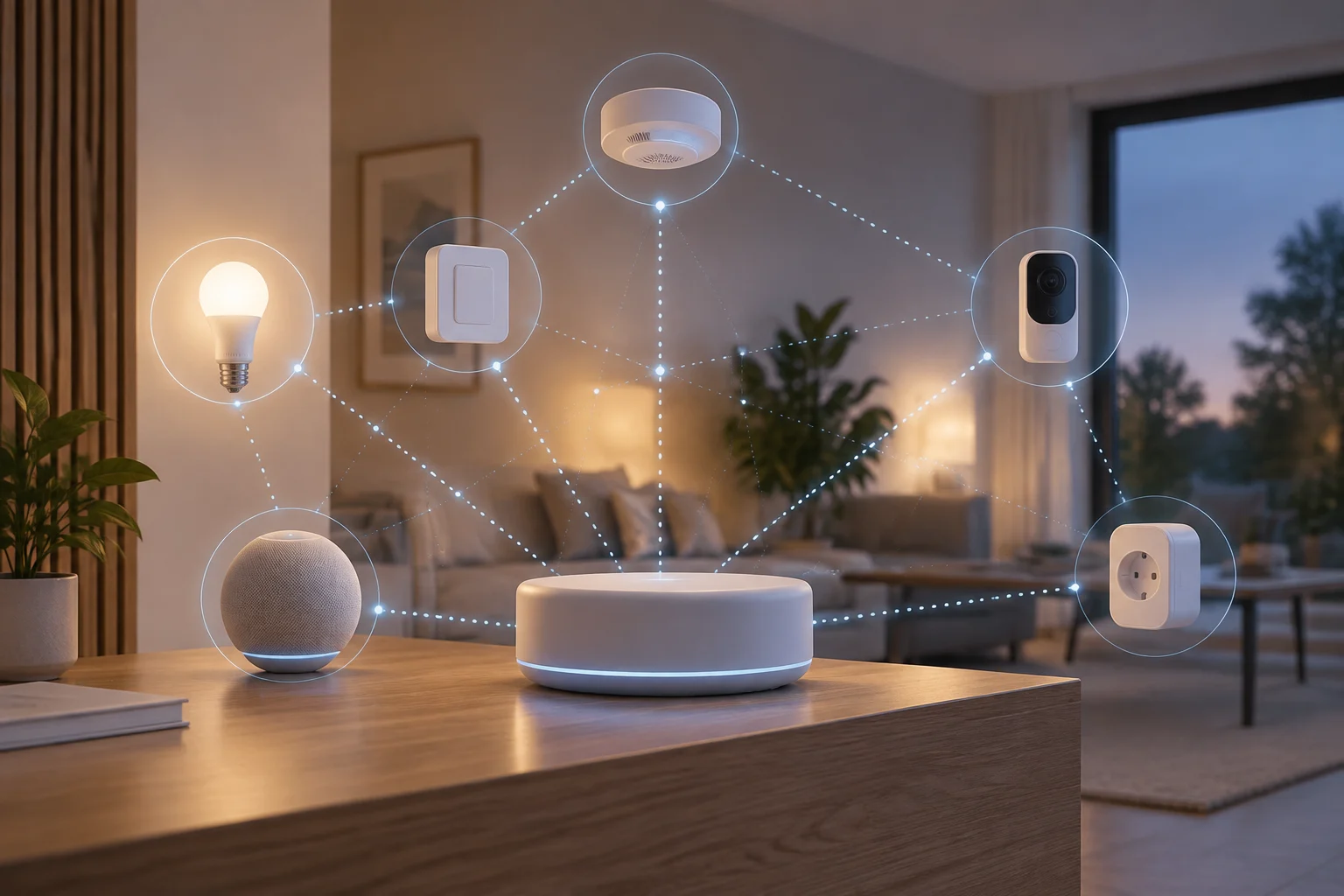
Matter aims to allow devices from different brands to join compatible smart home platforms. The Connectivity Standards Alliance (CSA) develops and maintains standards and certification programs for connected products; however, its existence does not prove by itself that every certified lock offers all its functions on every platform.
Available evidence documents specific examples of compatibility, not widespread adoption in Europe or universal integration. Yale announces that its Linus L2 is Matter-compatible and mentions Apple Home, Google Home, Samsung SmartThings, and Alexa; Nuki communicates Matter compatibility for its fourth generation. These are manufacturer claims, not a guarantee that any model or function operates identically in all homes.
It is also important to separate the standard from the network transport. Some sources describe Matter over Thread or Wi-Fi, but the gathered documentation does not prove that Thread is always more stable or consumes less than Wi-Fi in every installation. The choice of connectivity must be based on the specific model's datasheet, available coverage, and system requirements, not on universal superiority.
Battery Life: How to Read the Figures
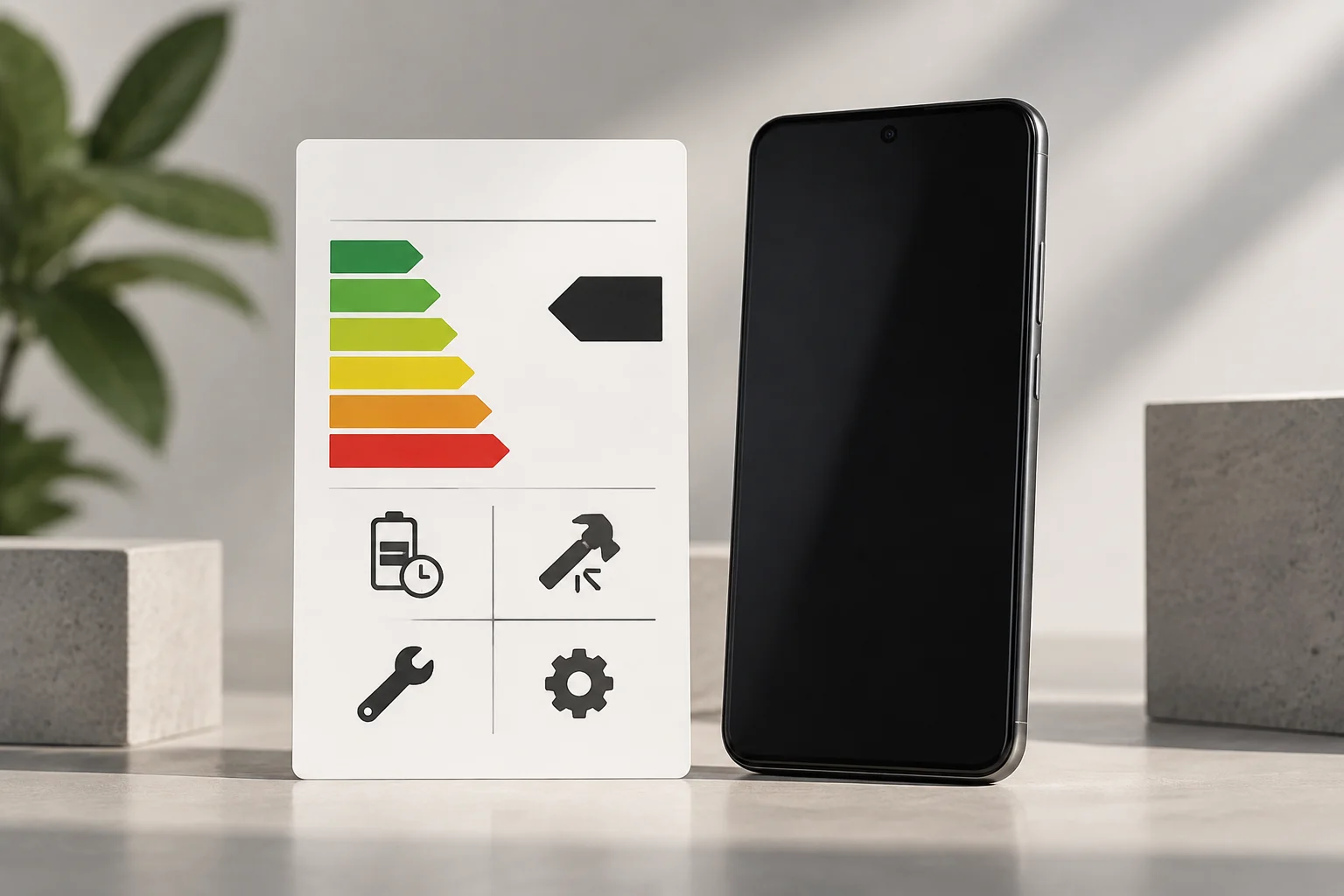
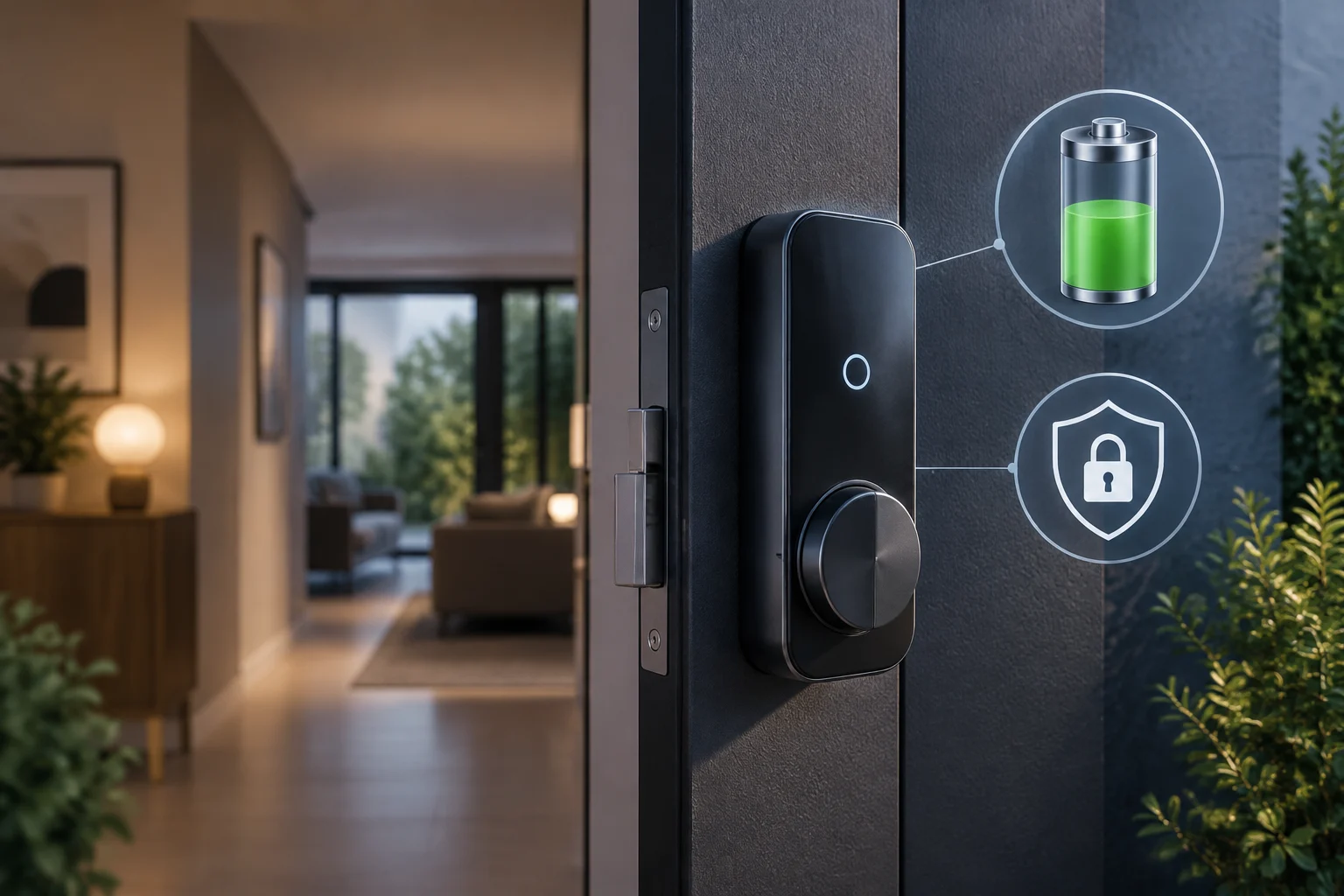
The source package does not provide comparable independent measurements or verified idle power consumption specifications for the cited models. Therefore, it does not allow asserting how many months a specific lock will last, nor supporting a general battery life figure for all Matter locks. A secondary article offers general estimates, but its methodology is not validated with primary data and should not be presented as a conclusive reference.
To evaluate a manufacturer's promise, look for the battery type and number, the calculation conditions—for example, the number of daily cycles—and the low battery alert method. If these conditions are not indicated, the figure serves as a commercial guideline, not a reliable prediction for a specific residence. Usage frequency, the mechanical effort of the door, and connectivity settings can influence performance, but there is no data here to quantify those effects.
Before buying, also check how to access the compartment, if there is emergency power, and what mechanical alternative keeps the door secure. These checks do not replace a battery life measurement, but they help plan maintenance and reduce the practical risk of losing access when the battery dies.
Security: Distinguishing the Protocol from the Lock
Verified sources do not document Matter's cryptographic details, key management, or specific vulnerabilities applicable to the analyzed locks. Consequently, it is not possible to claim here that a model uses 'bank-grade encryption,' that it always processes data locally, or that a CSA certification alone proves the overall security of the installation.
The CSA explains that its certification programs seek to validate interoperability and standards compliance. Certification is a conformity check, not a complete audit of the lock's physical resistance, user account security, or future updates. It is advisable to review which product and version are certified and not extrapolate the result to other models from the same brand.
For an informed purchase, consult the manufacturer's security and support documentation: update policy, account recovery procedure, shared access controls, and how to receive alerts. If this data does not appear in public documentation, consider it an unresolved issue and ask the manufacturer before trusting the lock with sensitive access.
Real Interoperability Between Platforms
Matter can facilitate adding devices to multiple ecosystems, but standard compatibility does not equal functional equality. Yale's page lists several platforms for the Linus L2; the Nuki Smart Lock Go datasheet indicates Matter over Thread, Bluetooth, and Wi-Fi. These references help confirm announced compatibilities, but they do not exhaustively describe every available function in each application.
Some manufacturer-specific functions may still depend on their app, an additional service, or a compatible control device. Available information does not allow establishing, for the cited models, which exact options are retained or lost when switching from Apple Home to Google Home, Alexa, or SmartThings. Do not assume that access codes, alerts, automations, or remote controls will behave the same in all environments.
Also check if the installation requires a Matter controller or a Thread border router. Yale's US page, for example, indicates that Matter and remote access require a compatible Google Home hub and a Thread border router. This requirement corresponds to the combination described by that source and market: verify the regional requirements of the model and the ecosystem you will use.
Pre-Purchase Checklist
A commercial datasheet may use 'Matter-compatible' as a summary, but the decision requires identifying the exact model, connectivity, and usage conditions. Available sources include manufacturer and retailer claims, plus secondary analyses; they do not constitute independent battery life tests or an exhaustive security review of each lock.
Useful Checks
- Model and market: confirm the exact variant and that the documentation corresponds to your region.
- Matter and connectivity: distinguish Matter compatibility from Thread, Wi-Fi, or Bluetooth; these are related but not interchangeable data.
- Declared battery life: look for test conditions, accepted batteries, and low charge alerts.
- Functions per platform: verify in the manufacturer's documentation which controls are available in the app you will use.
- Installation and alternative access: check compatibility with the door and cylinder, plus the procedure if power fails.
- Support and security: consult updates, account recovery, and certification of the specific model.
If a specification does not appear in the datasheet or support page, do not infer it from the brand, standard, or a similar model. Request written confirmation from the manufacturer or seller and keep the response with the product documentation.
Conclusion: Decide with Exact Model Data
Matter can be a useful criterion if you want to integrate a lock with more than one platform, but the gathered evidence does not support that it guarantees total interoperability, greater battery life, or complete security by itself. The Yale and Nuki examples confirm that there are models with announced compatibility; they do not justify extrapolating features to the entire category or presenting 2026 as a point of universal adoption.
The practical decision is to compare documented battery life and its conditions, hub requirements, and confirmed functions for your ecosystem. If the manufacturer does not publish data on consumption, certification, or support, treat them as information limits, not implicit advantages. For a lock that controls home access, nominal compatibility is only the beginning of verification.