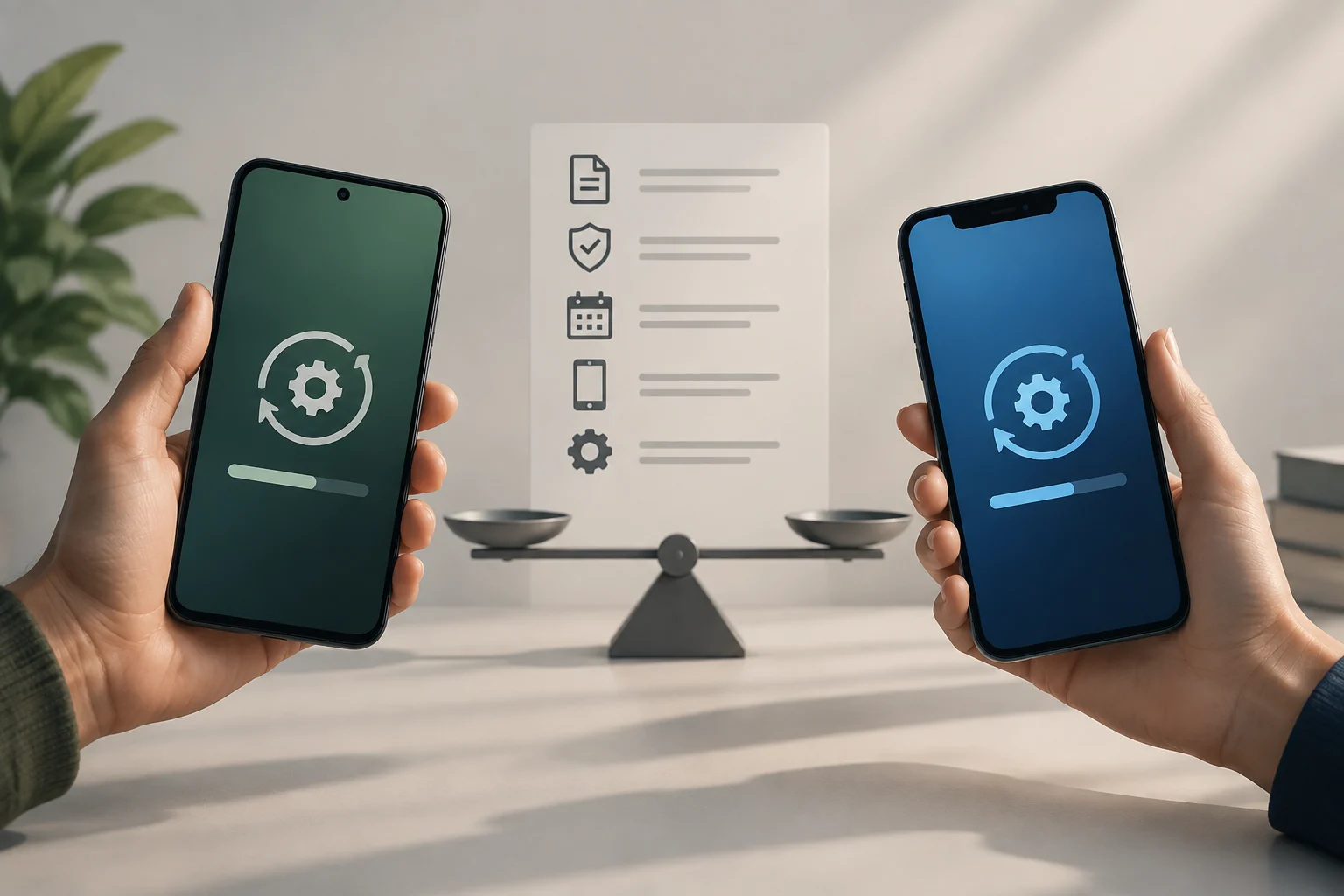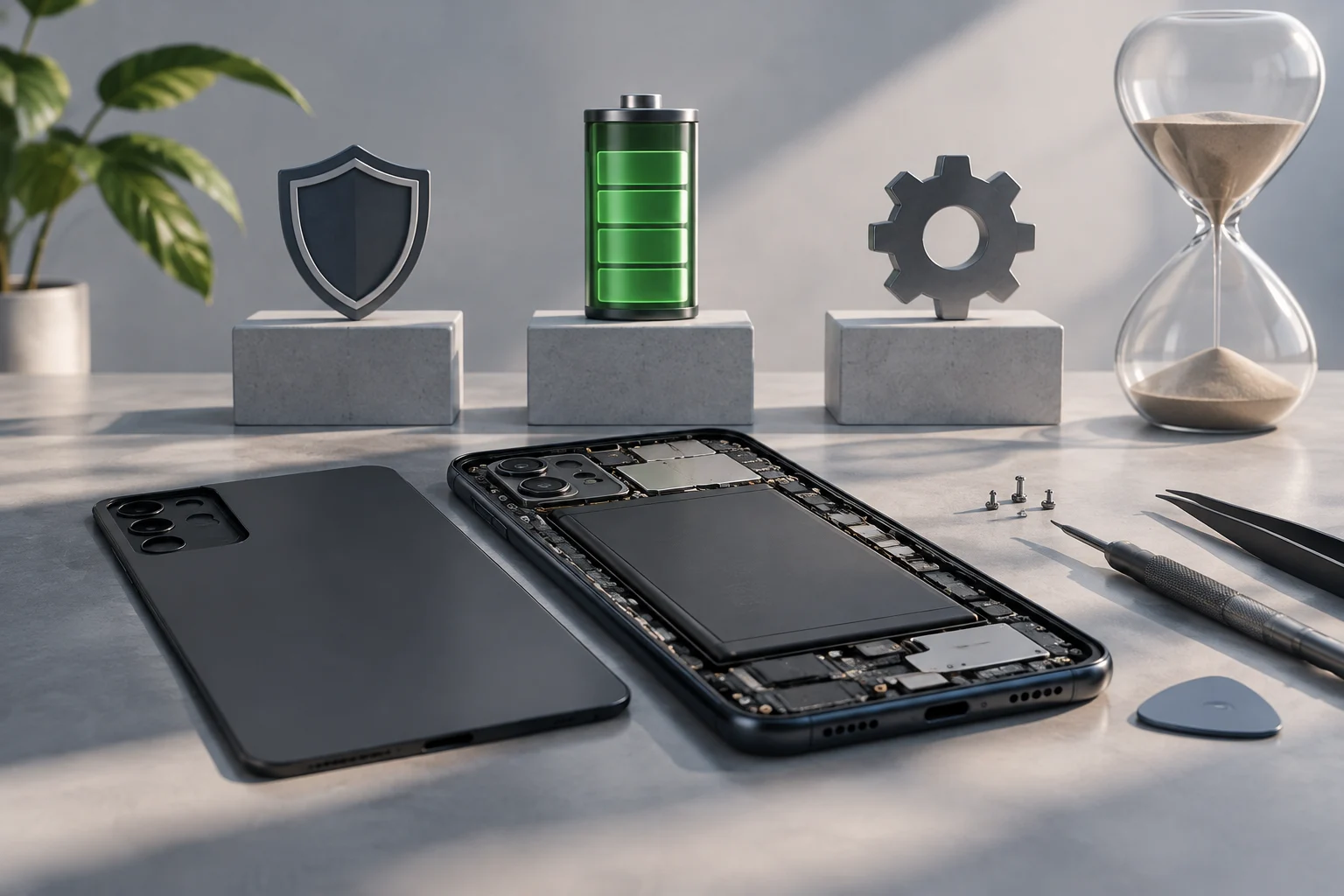
The gap between hardware technical life and software legal life
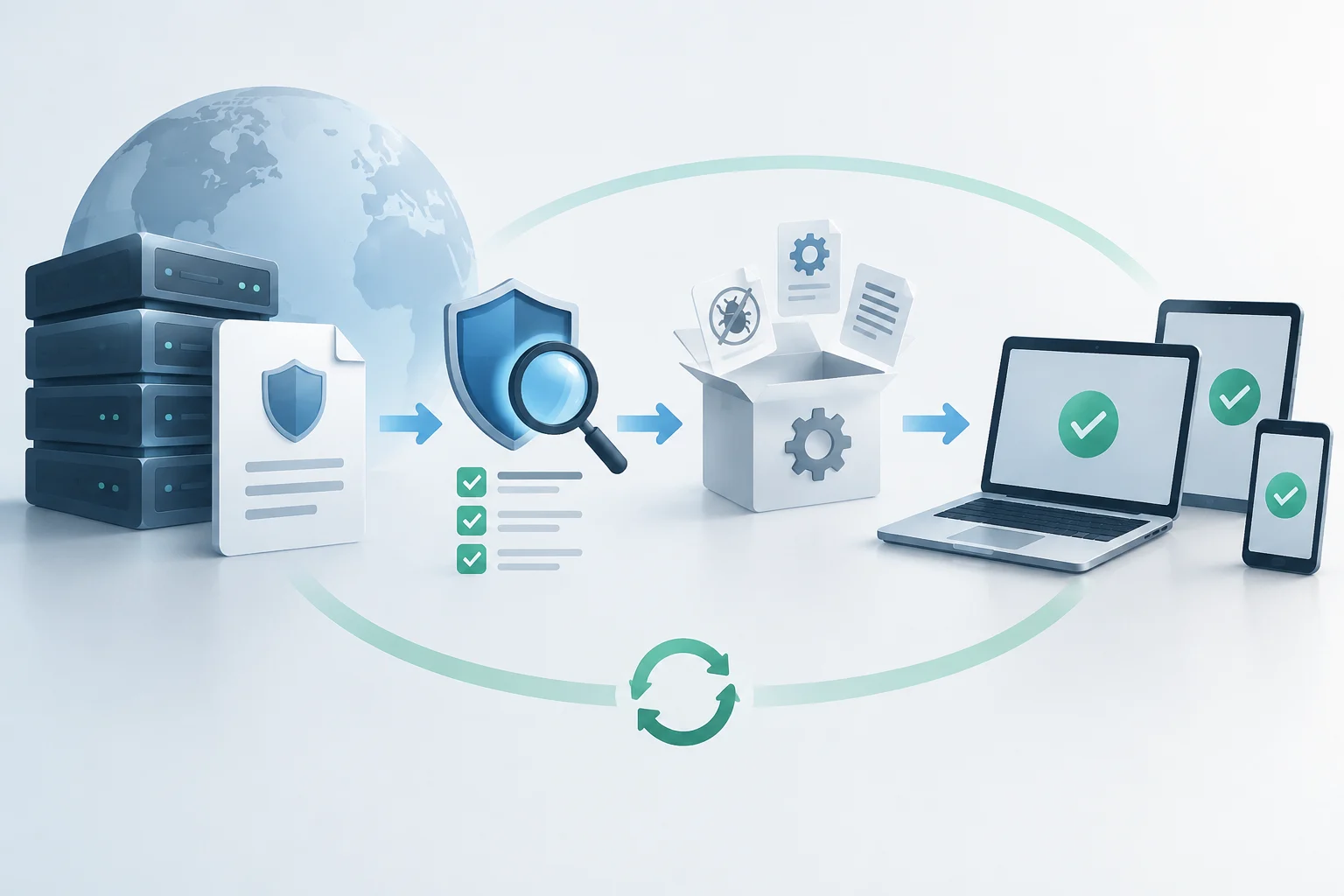
In 2026, the decision to buy a smartphone has stopped focusing exclusively on the camera, battery, or processor. The factor that determines the actual useful life of a device is now the manufacturer's software support policy. A mobile phone may have impeccable hardware, but if it stops receiving security patches, its functional and economic value plummets rapidly.
This reality has changed consumer perception. It is no longer just about the phone working, but about it remaining secure and compatible with essential applications. Planned obsolescence, understood as the artificial limitation of a product's useful life, has found in software its most effective tool, and also its greatest legal and ethical vulnerability.
Official support policies: comparison of update timelines
Manufacturers have responded to market and regulatory pressure by extending their support cycles. Apple remains the benchmark, offering iOS updates for 7 to 8 years on its latest models. An iPhone 13, launched in 2021, will continue to receive support until 2028 or 2029, making it a very solid long-term investment.
In the Android ecosystem, the situation is more heterogeneous but has improved drastically. Samsung and Google currently offer 7 years of updates on their high-end ranges (Galaxy S and Pixel), matching Apple. Xiaomi, for its part, maintains shorter policies, generally of 3 to 4 years, which accelerates the obsolescence of its devices compared to competitors.
Support timelines by manufacturer (2024-2026)
| Manufacturer | High-End | Mid-Range | Entry-Level |
|---|---|---|---|
| Apple | 7-8 years | 7-8 years | N/A |
| Samsung | 7 years | 4-5 years | 3-4 years |
| 7 years | 5 years | 3-4 years | |
| Xiaomi | 4-5 years | 3-4 years | 2-3 years |
The impact of European regulations on manufacturer strategy
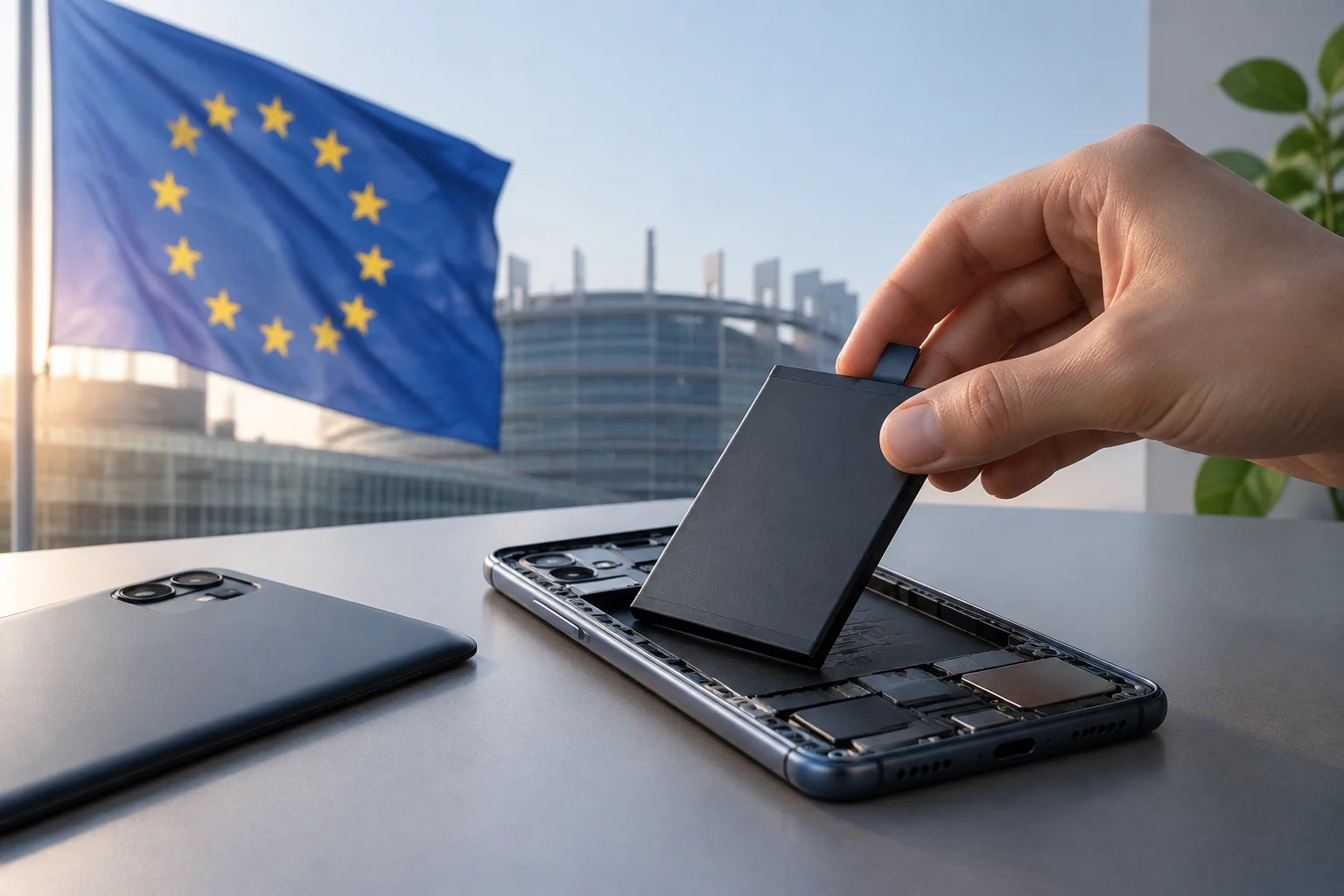
The entry into force of Regulation (EU) 2023/1669 on June 20, 2025, marked a turning point. This rule obliges manufacturers to guarantee a minimum of 5 years of software updates for all mobiles sold in the European Union. This measure aims to combat planned obsolescence and protect the consumer, ensuring that devices are not left unprotected against new cybersecurity threats.
However, the application of this rule is not without nuances. Manufacturers have found ways to comply with the letter of the law without necessarily offering the same user experience across all models. The obligation focuses on security updates and fixes, but the frequency and scope of new features may vary. Furthermore, the rule does not prevent manufacturers from stopping support for models prior to the entry into force date, leaving millions of users in a gray area.
European regulations have forced manufacturers to rethink their R&D strategies. It is no longer enough to launch a product and forget about it; they must now plan the device's entire lifecycle, including the availability of security patches and compatibility with new operating system versions. This has a cost, but it also generates a competitive advantage for brands that offer more robust support.
Residual value and second-hand market: the weight of extended support
The resale value of a smartphone is directly linked to its support policy. Devices that continue to receive security updates maintain a higher residual value in the second-hand market. Second-hand buyers are increasingly aware of this factor and are willing to pay a premium for devices that will remain secure and compatible for years.
Conversely, mobiles that have stopped receiving security patches suffer accelerated depreciation. A device without official support becomes vulnerable to new threats and, although it may continue to function, its commercial value drops drastically. Second-hand market data shows that brands with extended support policies, such as Apple and Samsung, retain more than 60% of their value after two years, while other brands fall below 30% in the same period.
This trend is changing the dynamics of the resale market. Buyers no longer focus only on the physical condition of the device, but on its update history and the manufacturer's support policy. This has led to refurbished devices with extended support becoming an increasingly popular option, offering a sustainable and economical alternative to buying a new phone.
Security risks: practical consequences of using a mobile without updates
Using a mobile without security updates in 2026 involves assuming significant risks. Security patches fix vulnerabilities that can be exploited by cybercriminals to steal personal data, access bank accounts, or install malware. A device without official support is like a house without a lock: vulnerable to any threat.
The practical consequences of not updating software are immediate and severe. Banking, health, and mobile payment applications may stop working or, worse, may be compromised if the operating system is not protected against the latest vulnerabilities. Additionally, the lack of updates can affect device performance, as new software versions usually include optimizations that improve hardware efficiency.
Security is not just a technical issue, but also a legal and ethical responsibility. Manufacturers have the obligation to protect their users, and users have the right to receive clear information about the duration of their devices' support. Ignoring this factor can have serious financial and personal consequences, especially in an increasingly digitalized and connected world.
How to read the support technical sheet to make an informed purchase decision
Before buying a smartphone, it is fundamental to review the manufacturer's support policy. It is not enough to look at the launch date; one must pay attention to the duration of security and operating system updates. Manufacturers usually specify this data in the product's technical sheet, but sometimes it is hidden in the fine print or on specific web pages.
A good practice is to compare the support policy of different models and manufacturers. Not all models from the same brand offer the same level of support; generally, high-end ranges receive more years of updates than mid and low-end ranges. Furthermore, it is important to consider European regulations, which guarantee a minimum of 5 years of support for devices sold in the EU from 2025 onwards.
The purchase decision should be based on a comprehensive analysis that includes price, technical features, and, above all, the support policy. A more expensive device with extended support may be a better long-term investment than a cheaper one with limited support. In 2026, software durability is the decisive factor that separates a smart purchase from an impulsive one.