Entry into force of the new numbering
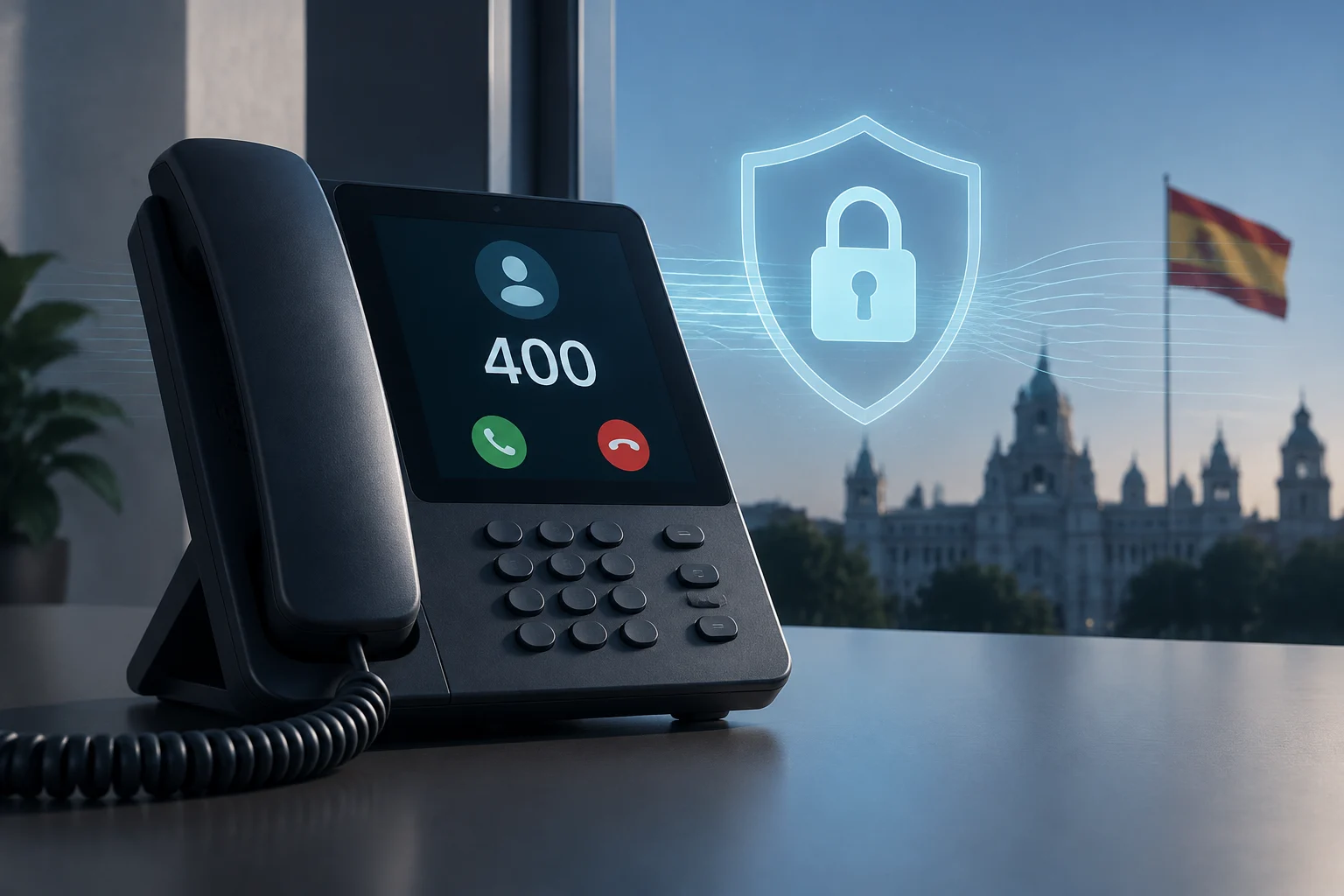
Starting from October 17, 2026, companies in Spain are required to make their commercial calls exclusively from nine-digit numbers beginning with the 400 prefix. This measure, which complies with the Customer Service Act (SAC), aims to allow users to instantly identify the commercial nature of an incoming call, reducing confusion with customer service or personal calls.
The ministerial resolution establishes that 400 numbers will be one-way: users can only receive calls from these numbers but cannot make calls to them. This technical restriction eliminates the risk of a user calling back an unknown number and incurring unwanted charges or being exposed to fraudulent practices.
Blocking mechanism and compliance
Telephony operators are obligated to block commercial calls made from numbers outside the 400 range. To identify this traffic, operators will use telephony traffic patterns, such as a very high volume of calls from the same number, which allow them to conclude that it is commercial activity.
This measure is part of the anti-phone scam plan launched in March 2025. According to official data, this plan has enabled the blocking of more than 400 million fraudulent calls and nearly 32 million SMS with fraudulent intentions since its inception. The entry into force of the 400 prefix represents the final and strictest phase of this consumer protection plan.
Impact on user security
The main advantage for the citizen is the immediate identification of the call's origin. By seeing a number starting with 400, the user knows it is a commercial call and can decide whether to answer it or not, without the risk of it being a customer service call from their own operator or a personal call.
Furthermore, the one-way nature of these numbers enhances security by preventing users from calling back a number that might be used for scams. If a user receives a commercial call from a number other than 400, they can file a complaint with the Telecommunications User Service Office (OAUT) or report it to the CNMC.
Regulatory context and deadlines
The measure was approved through a resolution published in April 2026, which set a six-month deadline for operators to implement the necessary technical changes. This deadline expired in October, when the rule became mandatory.
The Customer Service Act (SAC), approved in December 2025, was the legal framework that required the creation of specific numbering for commercial calls. The April 2026 resolution detailed the technical implementation, assigning the 400 range and establishing blocking mechanisms by operators.
What companies must do
Companies making commercial calls must update their telephony systems to use only numbers from the 400 range. This involves requesting these numbers from their telecommunications operators and configuring their calling platforms so that outgoing traffic is made from the new numbering.
It is important for companies to communicate this change to their customers and sales teams to avoid confusion. Calls that do not comply with the new regulation will be blocked by operators, which could affect companies' ability to contact their potential customers.
Other recent regulatory news
In addition to the 400 prefix, the CNMC has recently approved the reform of the universal telecommunications service, which raises the minimum internet access speed from 10 to 100 Mbps downstream. This reform aims to guarantee more equitable access to high-quality internet across the national territory.
The draft royal decree regulating the European digital identity wallet ecosystem in Spain is also being processed. This project, subject to public consultation in October 2026, seeks to align Spanish regulations with the European digital identity framework, facilitating electronic authentication for citizens.