Definition of Flexible Manufacturing vs. Rigid Automation
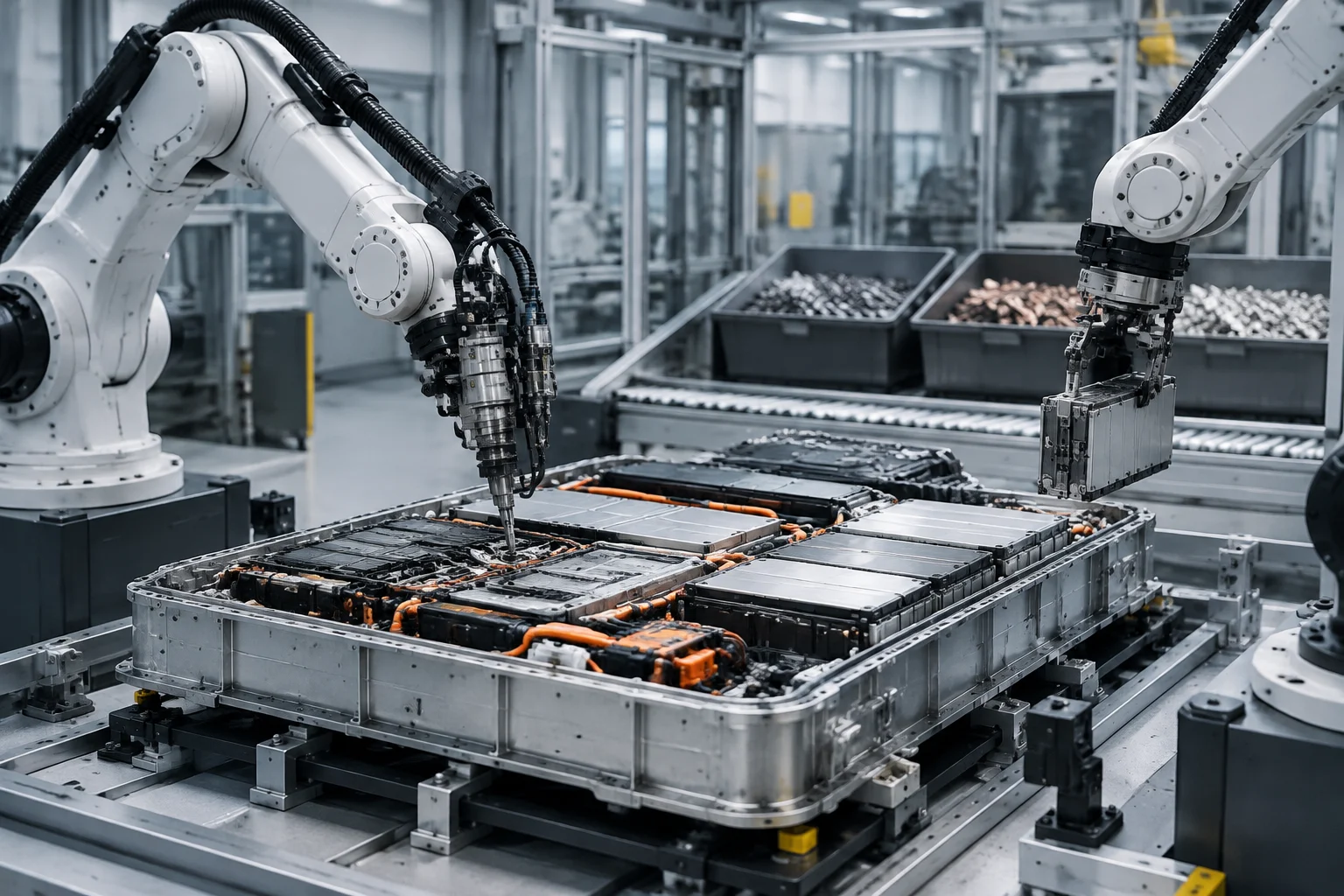
Flexible manufacturing is defined as an automated system capable of producing families of parts in medium-sized batches, integrated by programmable machines and a computerized control and handling system. Unlike rigid automation, which optimizes mass production of a single product, organizational flexibility allows for a greater variety of products in shorter series, responding to demand for higher diversity and lower unit volumes. This distinction is fundamental to understanding why European companies seek systems that are not only fast but also adaptable to frequent changes in component design or specification.
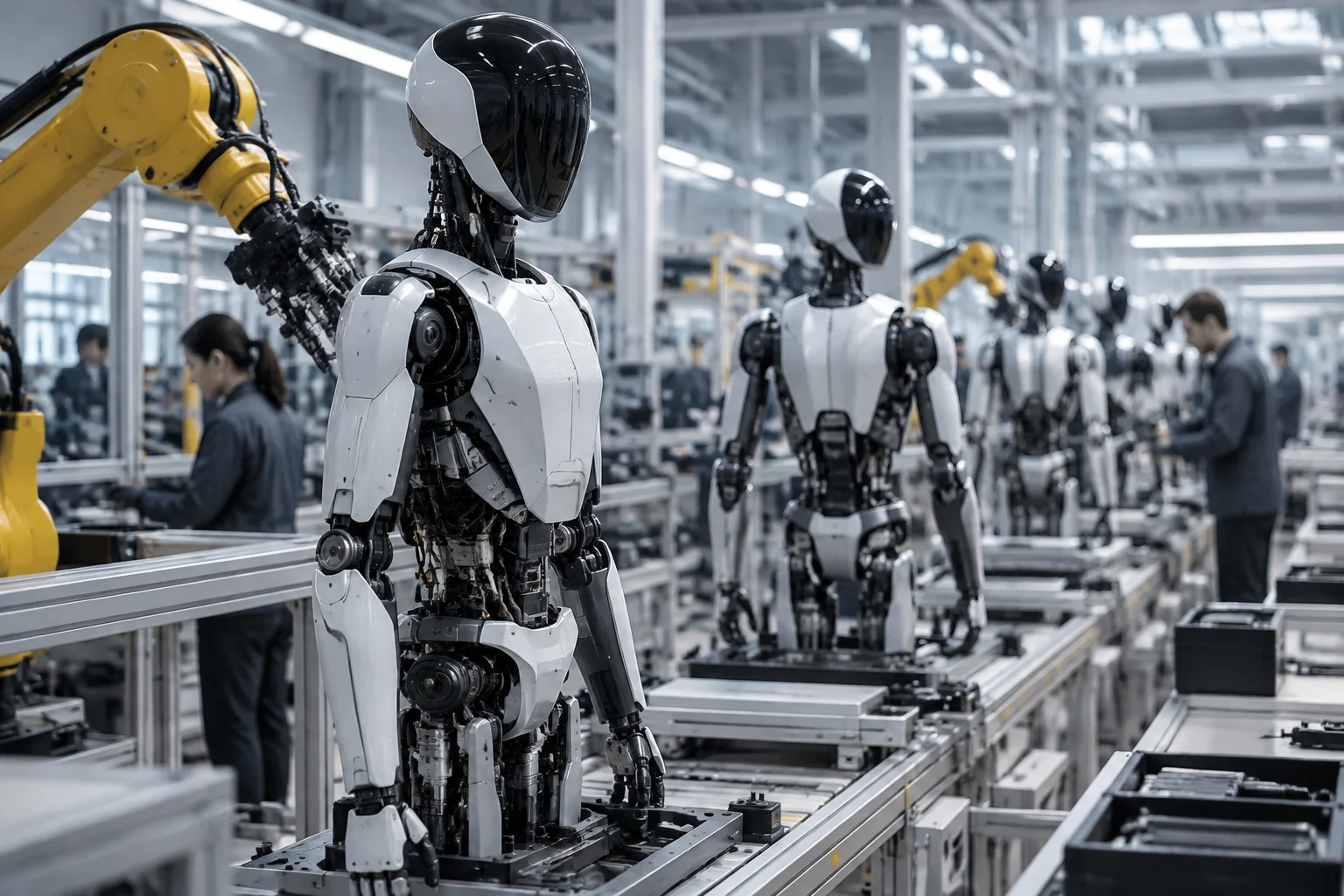
In the European context, this transition towards light production requires not only the adoption of IT technologies that integrate information flows, but also organizational changes such as worker polyvalence and new relationships with suppliers. The robotization index of countries is directly related to the percentage of exports in the form of manufactures, indicating that the adoption of these technologies is a key factor for the international competitiveness of European industry. It is not just about installing machines, but reconfiguring the productive logic so that technology supports market variability without losing efficiency.
Key Technologies: Cobots and 3D Vision
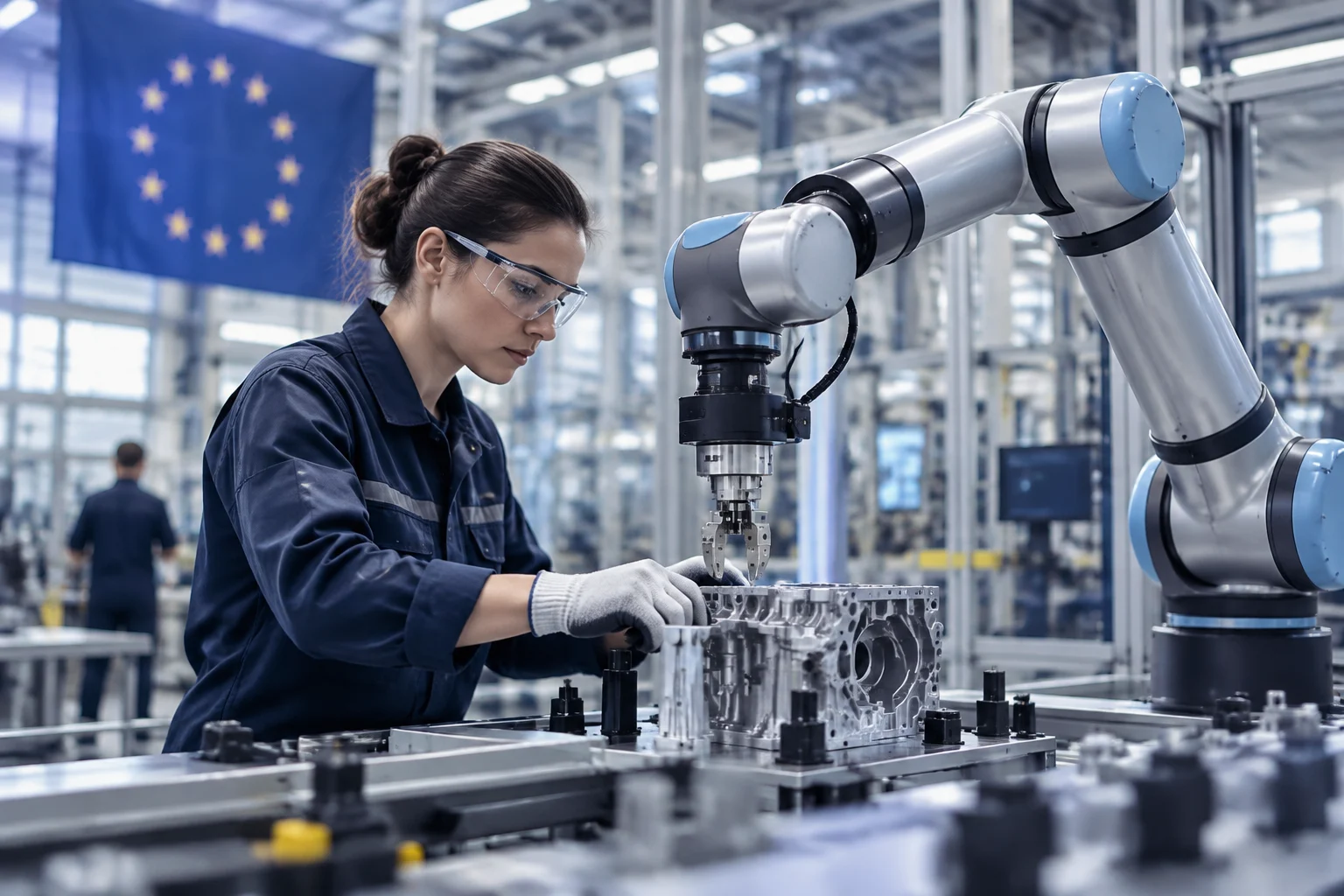
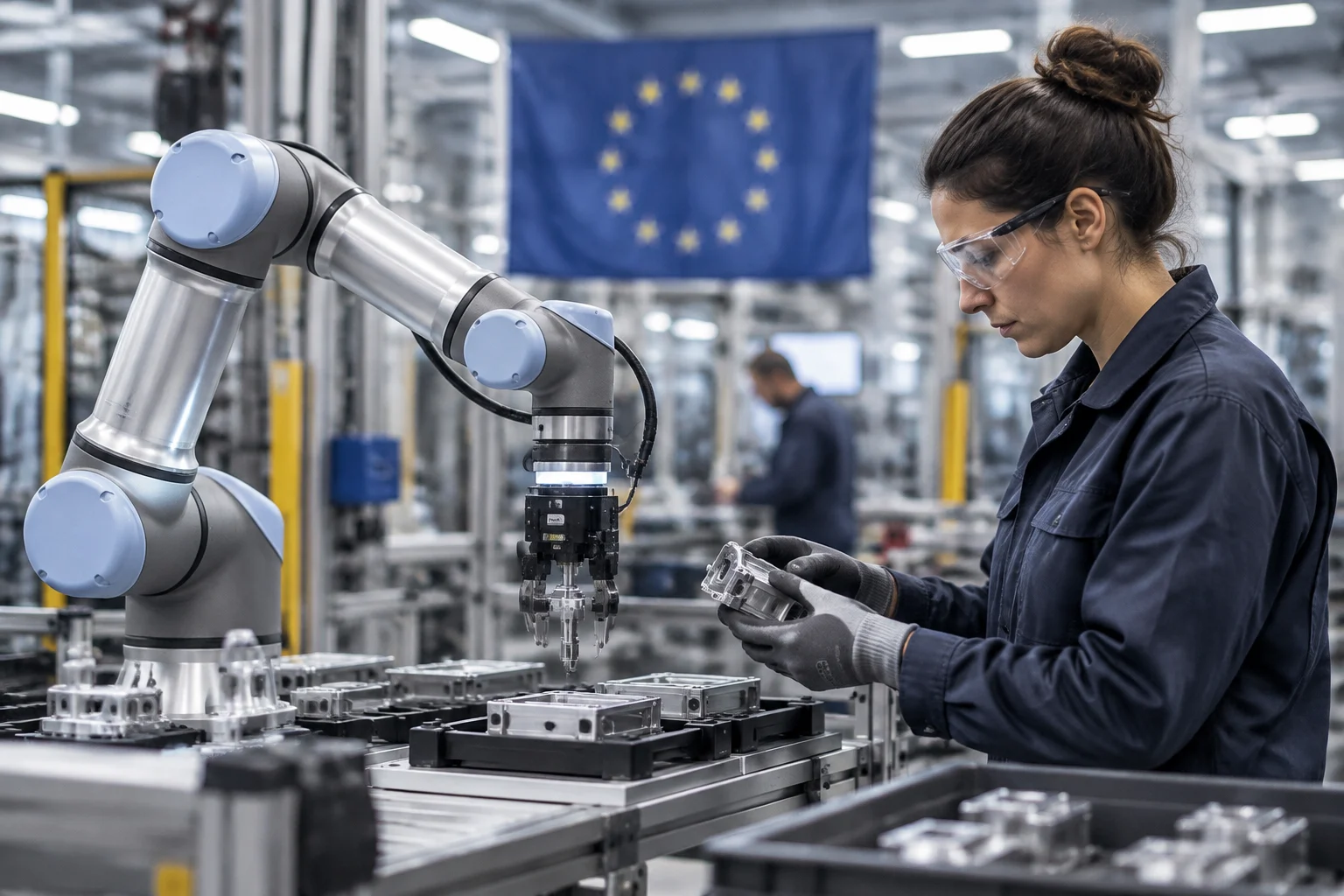
Collaborative robots (cobots) are robotic arms designed to work alongside people without the need for safety fencing in most applications. Unlike traditional industrial robots, which operate in closed cells for high-cadence tasks, cobots stand out for their ease of programming, adaptability, and compact size. They are equipped with force sensors, speed limits, and automatic stop systems upon contact or proximity, allowing fluid cooperation with humans. This direct integration into the human workspace eliminates physical barriers and facilitates task reassignment according to the immediate needs of the line.
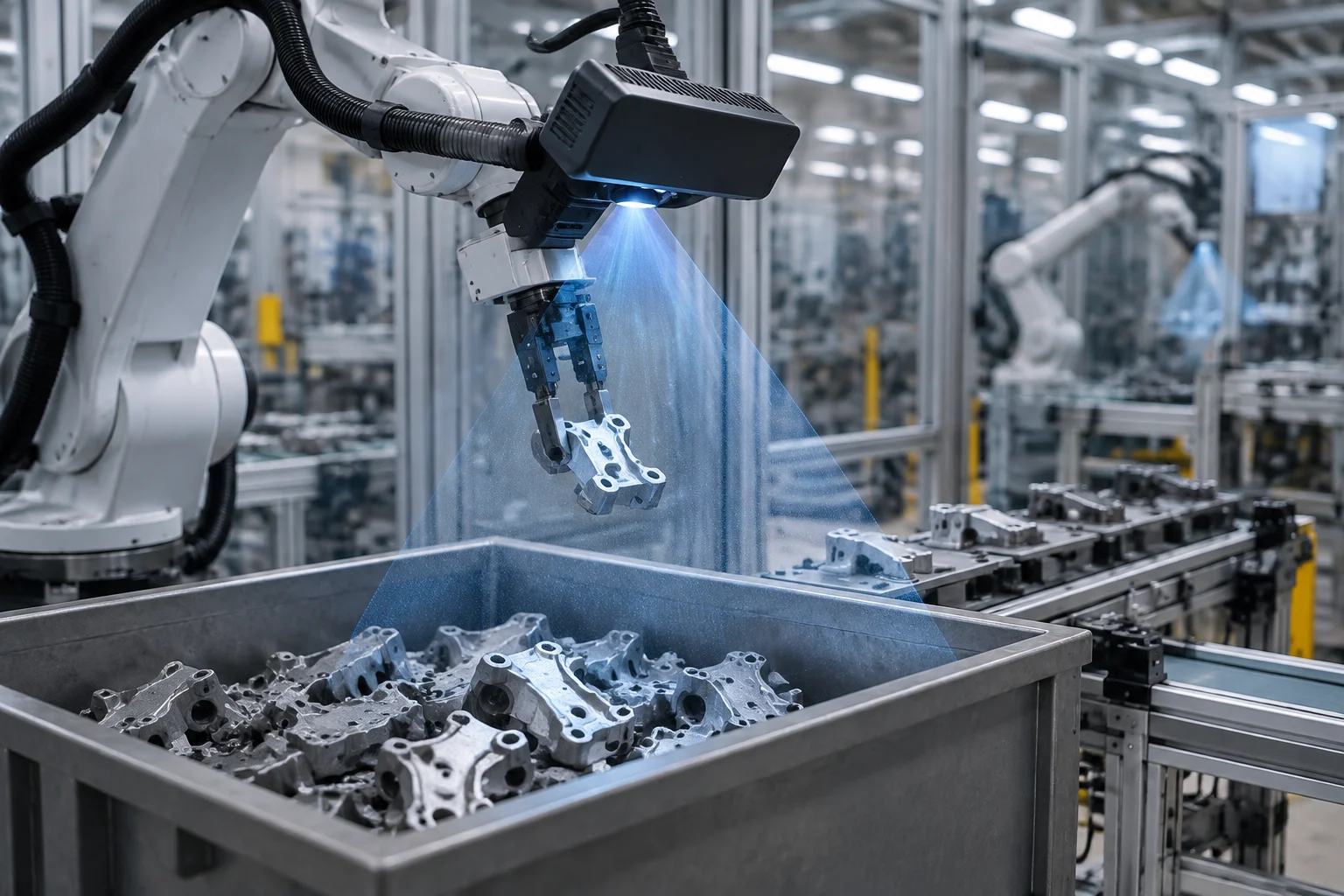
3D vision complements robotic manipulation by allowing the precise determination of the position of any object in space. Unlike 2D vision, which is limited to color and texture, 3D vision captures the geometry and surface finish of parts, detecting defects in physical dimensions, irregular shapes, deformations, or voids. This capability is crucial for inspecting parts with shiny, curved, or complex surfaces, where traditional sensors may saturate or lose point density. By providing an exact volumetric model, 3D vision acts as the 'eye' of the system, guiding the robot's decision-making in real time.
Verifiable Productivity Metrics
To evaluate the real impact of collaborative robotics, it is necessary to focus on verifiable metrics such as line changeover time, defect rate, and cost per unit produced. Cobots significantly reduce cycle times by handling repetitive tasks, allowing human operators to focus on higher value-added activities. Their millimetric precision decreases the margin of error in critical processes, translating into a direct improvement in quality and a reduction in rejections. Measuring these parameters before and after implementation allows isolating the effect of automation from other productive variables.
Automated inspection with 3D vision reduces inspection times and eliminates the subjectivity of human inspectors. This not only increases production by streamlining quality control but also improves traceability and the objectivity of results. The combination of flexible manipulation and precise inspection allows companies to maintain a constant work pace for 24 hours, without fatigue, optimizing resources and minimizing human errors in the production line. The consistency in the data generated by these systems facilitates the identification of wear or deviation trends in the process.
Contrast Between Manufacturer Promises and Documented Results
Robotics manufacturers often highlight the unmatched precision and constant pace of robots, claiming they far exceed human capacity. However, documented results in specific industrial implementations show that flexibility is achieved not only by the robot but by the integration of gripper systems, wireless communication, and adaptive exposure algorithms. The ability to customize the end-of-arm tooling is a determining factor for real flexibility in the plant. A robot alone does not guarantee efficiency; it is the ecosystem of accessories and software that allows adaptation to different geometries and materials without extensive reprogramming.
In practice, the adoption of cobots allows companies of any size to improve their productivity, but it requires individual advice to study the feasibility of an automation project. Success stories in sectors such as automotive, food, or electronics demonstrate that the key is not the maximum speed of the robot, but its ability to adapt to variations in production and to integrate into existing workflows without interrupting operations. The investment must be justified by the reduction of bottlenecks and the improvement of equipment availability, not just by the theoretical speed of the actuator.
Current Limits and Technical Barriers
Despite advances, technical barriers persist in the integration of 3D vision with specific materials. Shiny surfaces of stainless steel or milled aluminum components can saturate the sensor if the lighting system does not dynamically regulate intensity. At the opposite extreme, black plastic or carbon fiber composite parts absorb much of the light, reducing point cloud density if adaptive exposure algorithms are not used. These challenges require fine calibration and continuous adjustment of capture parameters. Ignoring these physical limitations can lead to false negatives in defect detection, compromising the reliability of the quality control system.
Furthermore, workplace safety remains a priority, and although cobots stop immediately upon contact, coexistence with humans requires a rigorous risk assessment. Staff training and worker polyvalence are organizational aspects that cannot be ignored. The transition to flexible manufacturing is not only a technological issue but also one of change management and adapting production processes to the new capabilities of automated systems. Long-term success depends on the acceptance of the human team and clarity in new operational roles.